Marseille, the Surrealists' waiting room
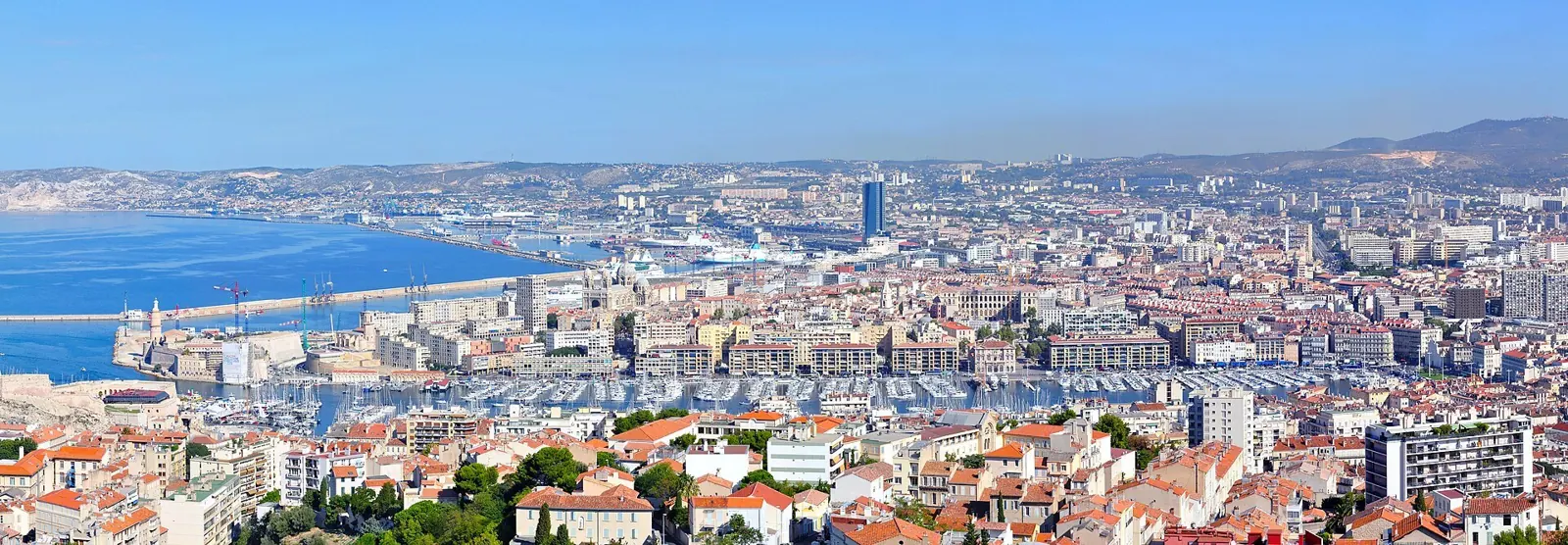
In the autumn of 1940, the most interesting address in European art was a shabby villa on the eastern edge of Marseille, at the end of a tram line, with a garden of plane trees and a view of nothing in particular. Its occupants were waiting for visas.
France had fallen in June. Marseille, in the unoccupied zone, became the last port of a continent that was closing: refugees from Germany, Austria, Spain and occupied Paris poured into its hotels, all needing the same papers (an exit visa from Vichy, transit visas through Spain and Portugal, an entry visa for somewhere, anywhere) and all aware that the Gestapo had been promised the right to ask for them.
In August, a young American journalist called Varian Fry arrived with $3,000 taped to his leg and a list of some two hundred names: writers and artists the Emergency Rescue Committee in New York wanted out. He was supposed to stay a few weeks. He stayed thirteen months, ran an office that was half relief agency and half forgery workshop, and helped around two thousand people escape.
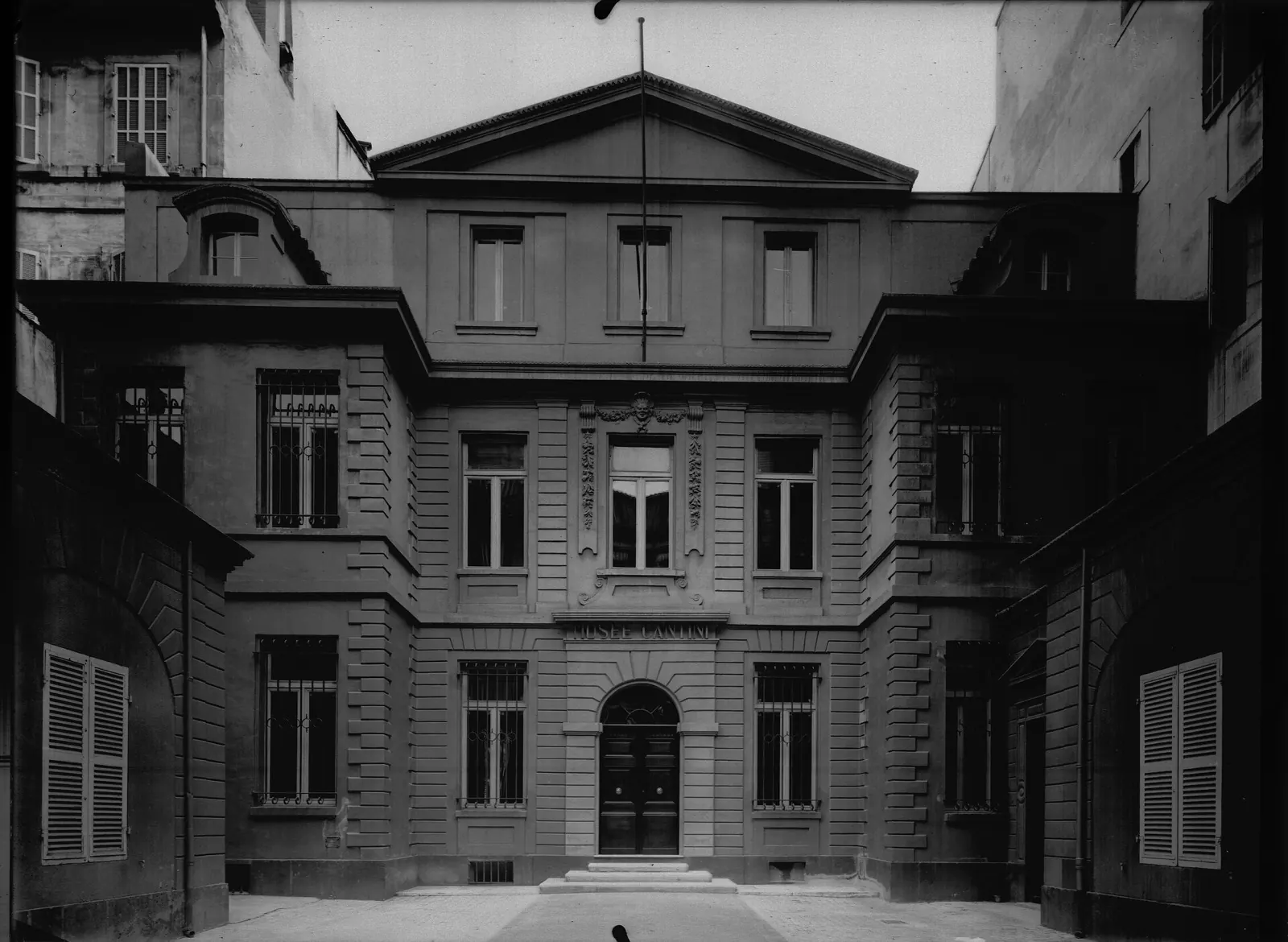
His methods were not always legal. The Centre Américain de Secours, as his office was called, distributed relief money in public and, in private, false passports, routes over the Pyrenees, and contacts among the smugglers of the port. It ended up at 60 rue Grignan, on the same street as the townhouse that is now the Musée Cantini. Keep that address in mind: we will come back to it.
Espervisa
Villa Air-Bel was rented by members of Fry's team, and filled up quickly. André Breton moved in with Jacqueline Lamba and their daughter Aube; the revolutionary writer Victor Serge with his son Vlady. The Surrealists who were still in France began to come out on Sundays: Max Ernst, André Masson, Victor Brauner, Óscar Domínguez, Jacques Hérold, Wifredo Lam. They called the house Espervisa: espoir, hope, and visa.
What they did there is the reason I keep returning to this story. With no money, no galleries and no certainty that they would be alive in a year, they behaved exactly as Surrealists. They held exhibitions by hanging paintings in the branches of the plane trees. They auctioned work in the garden. Breton collected insects. And in the cafés of the Vieux-Port, at Le Brûleur de Loups, they invented a game.
A new deck for a broken world
The Tarot of Marseille is one of the oldest card designs in Europe, and it gave them the idea. The Jeu de Marseille replaces its kings, queens and jacks with Geniuses, Sirens and Magi, and its four suits with the four things the Surrealists still believed in: the Flame for love, the Star for dream, the Wheel for revolution and the Lock for knowledge.
Each artist drew cards, and each card is a portrait of an ancestor they chose for themselves. Baudelaire and Lautréamont are there, and Novalis, Hegel, Freud and the Marquis de Sade. So is Pancho Villa, drawn by Ernst; Lewis Carroll's Alice; Stendhal's heroine Lamiel, painted by Hérold; and the Portuguese Nun, the supposed author of the most famous love letters of the 17th century, by Masson. Lam drew Lautréamont. It is a family tree of revolt, made by people whom the most murderous regime in Europe had defined as degenerate, while they waited for permission to leave.
A family tree of revolt, drawn while waiting for permission to leave.
The original drawings, given to the city by Breton's daughter Aube and granddaughter Oona in memory of Varian Fry, now belong to the Musée Cantini. They are small, quick, funny and deadly serious, which is to say they are Surrealism at its best.
The ship to Martinique
In March 1941, Breton, Lamba and Aube sailed from Marseille on the Capitaine Paul-Lemerle, a cargo boat packed with refugees. Lam was on board, and Victor Serge, and a young anthropologist called Claude Lévi-Strauss, who later described the voyage at the start of Tristes Tropiques. In Martinique, Breton was briefly interned; he also discovered a small magazine called Tropiques and its editor, the poet Aimé Césaire, and wrote the preface that introduced Césaire's Notebook of a Return to My Native Land to the world.
Ernst left that spring by train through Spain to Lisbon, and flew to New York with Peggy Guggenheim, who had passed through Air-Bel and paid some of the bills. Masson and Chagall went too. By the end of 1941, Fry had been expelled from France, and the Surrealist group had re-formed in Manhattan, where young American painters were watching closely. The cards were published there in 1943, in the Surrealist magazine VVV.
Fry himself was arrested, harassed and finally expelled in September 1941. He went home, wrote a memoir called Surrender on Demand, after the clause in the armistice that obliged France to hand over anyone the Reich asked for, and was largely forgotten. In 1994 Yad Vashem named him Righteous Among the Nations, the first American to be so honoured.
This is the larger story. We usually tell the history of postwar art as a move from Paris to New York, as if the capital simply changed address. It didn't; it was evacuated, through one port, by a handful of people with forged papers, and the evacuation passed through a villa in the 11th arrondissement of Marseille.
What to see now
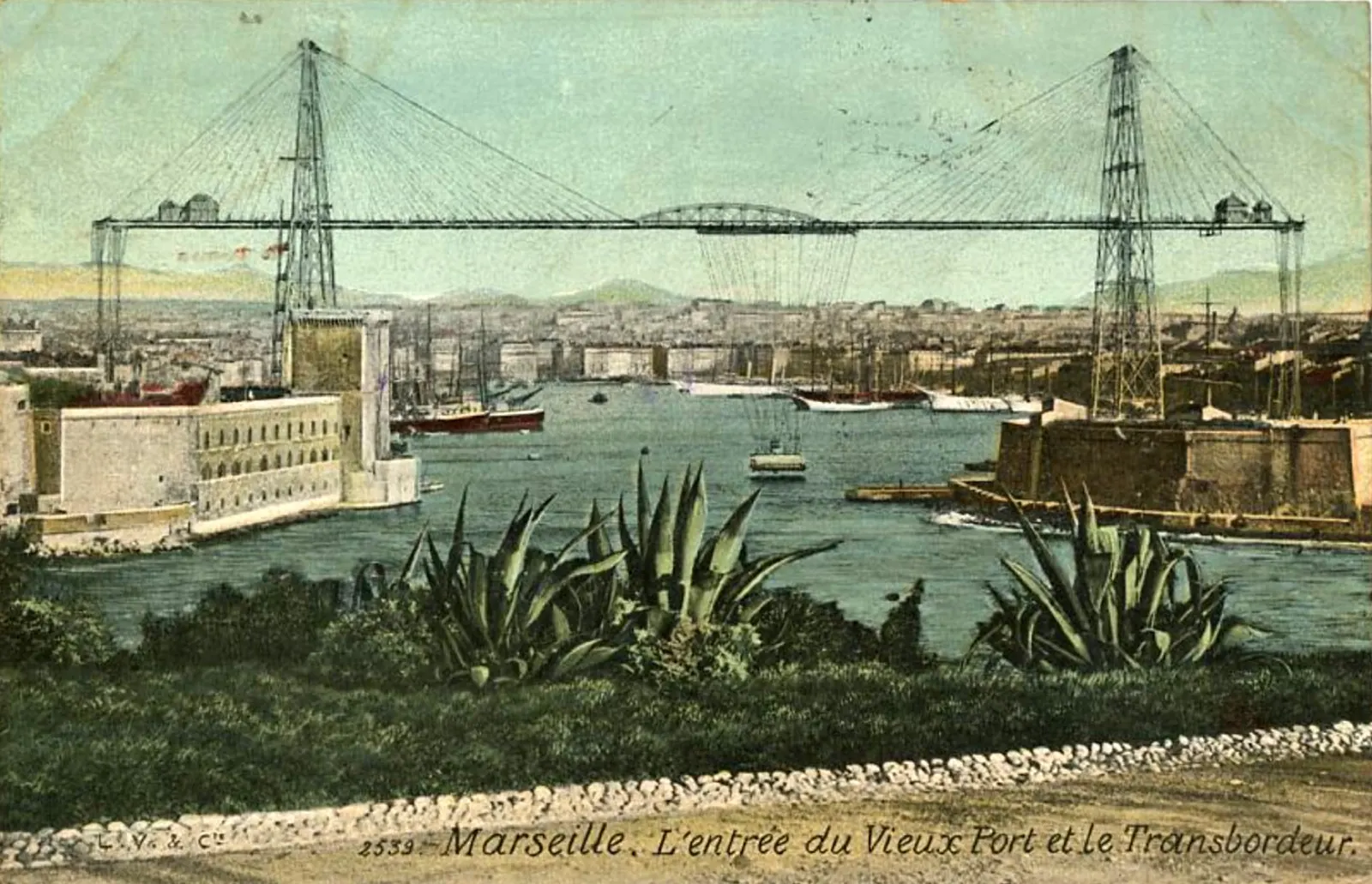
The villa is not open to visitors, and La Pomme is now a district of housing estates. Go instead to the Musée Cantini, in a 17th-century townhouse near the Préfecture, which holds the Jeu de Marseille and one of France's best collections of Surrealism outside Paris; the cards are fragile and not always on view, so ask. Then walk down to the Vieux-Port, sit on a terrace facing the fort, and think of a café full of people inventing a card game while they waited to find out whether they would live.
The Mucem, on the pier, is a reminder of what the city has always been: a door between Europe and everywhere else. In 1940 and 1941 it was the last door. Marseille deserves to be remembered as the place where modern art was saved, and the Jeu de Marseille as the thing it made while it waited.
Filed under: Places · Marseille · Marseille city guide · All Curator's Highlights
More Curator's Highlights
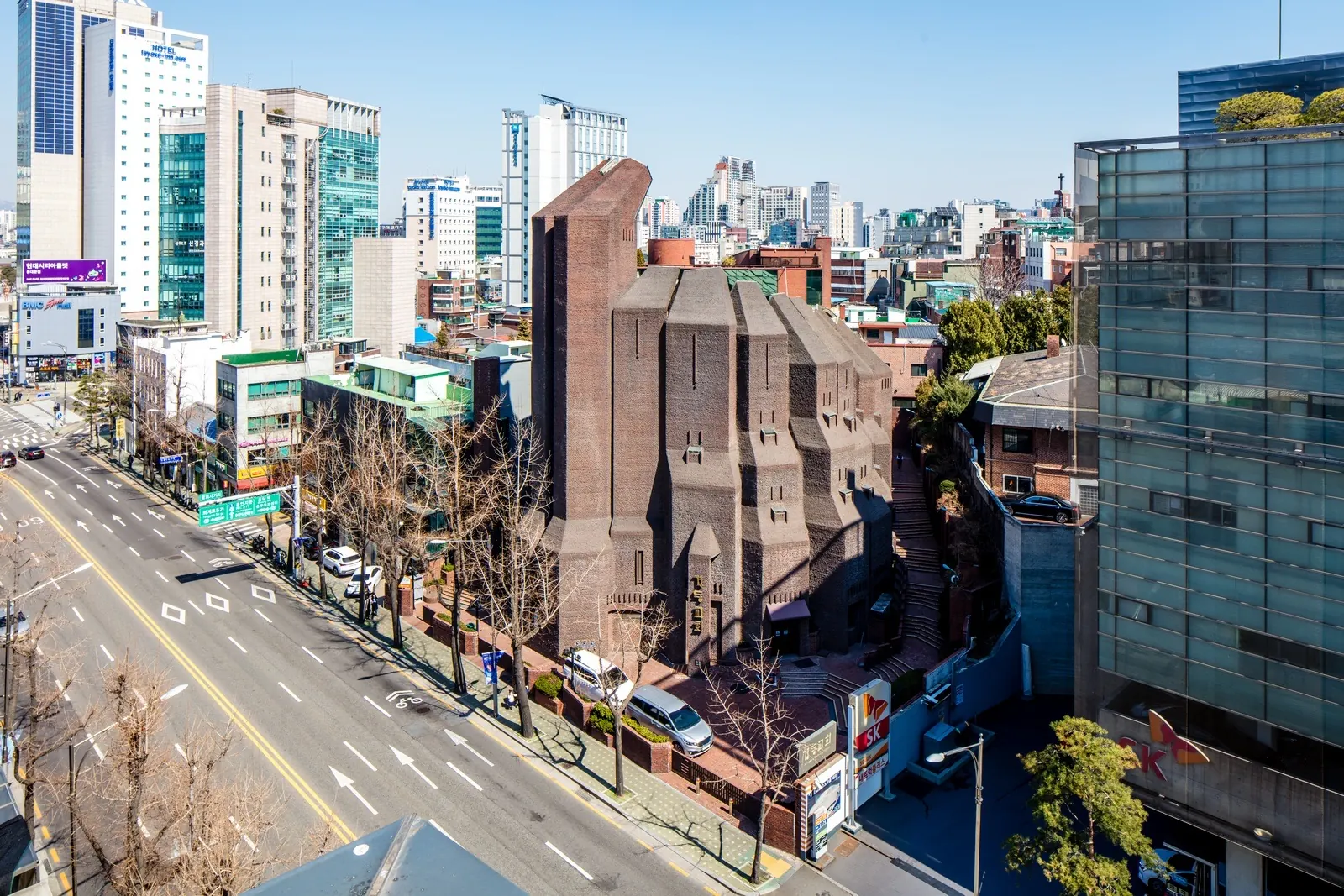
Kim Swoo-geun's Seoul
Brick, concrete and a small theatre in a basement: the architect who gave modern Seoul its spaces.
Athens: antiquity in the present tense
A museum aligned with a temple, and a path made from the city's broken houses.
A house built to be haunted by objects
The architect kept everything, and an Act of Parliament made sure nothing would ever move.