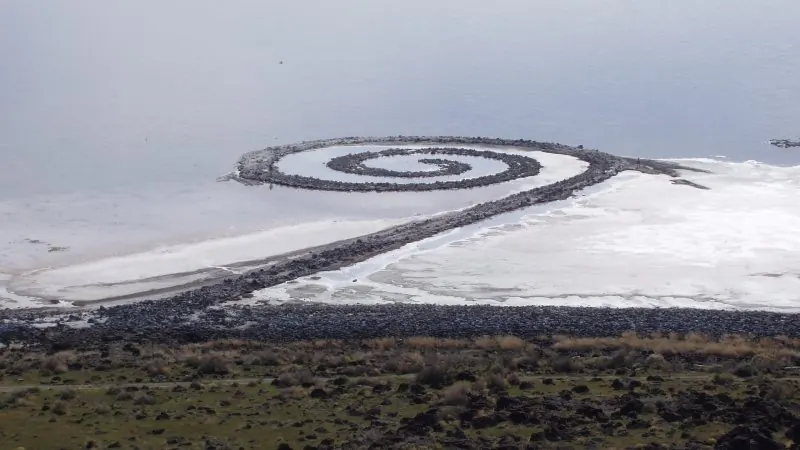
Robert Smithson's 1,500-foot coil of black basalt and earth, built into the Great Salt Lake in 1970. Depending on the water, it is submerged, crusted with white salt, or ringed with pink.
Getting there: Rozel Point, Utah: about two and a half hours from Salt Lake City, the last stretch on gravel. No facilities: bring water
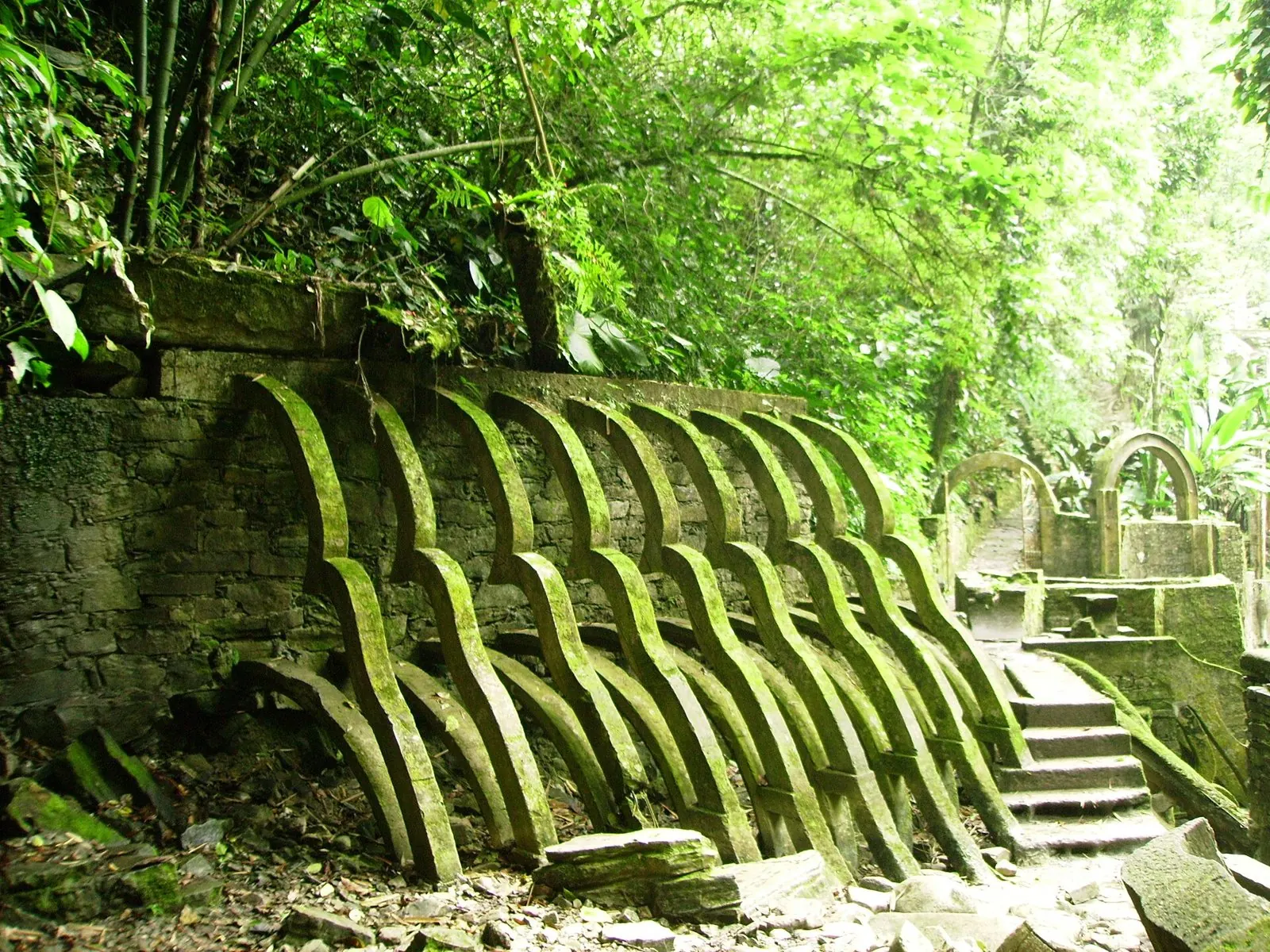
Edward James, the English poet and patron of the Surrealists, spent his last decades building concrete columns, stairways to nowhere and flower-shaped towers in the jungle around his orchid garden.
Getting there: Xilitla, San Luis Potosí, about seven hours by road from Mexico City. Go early in the day
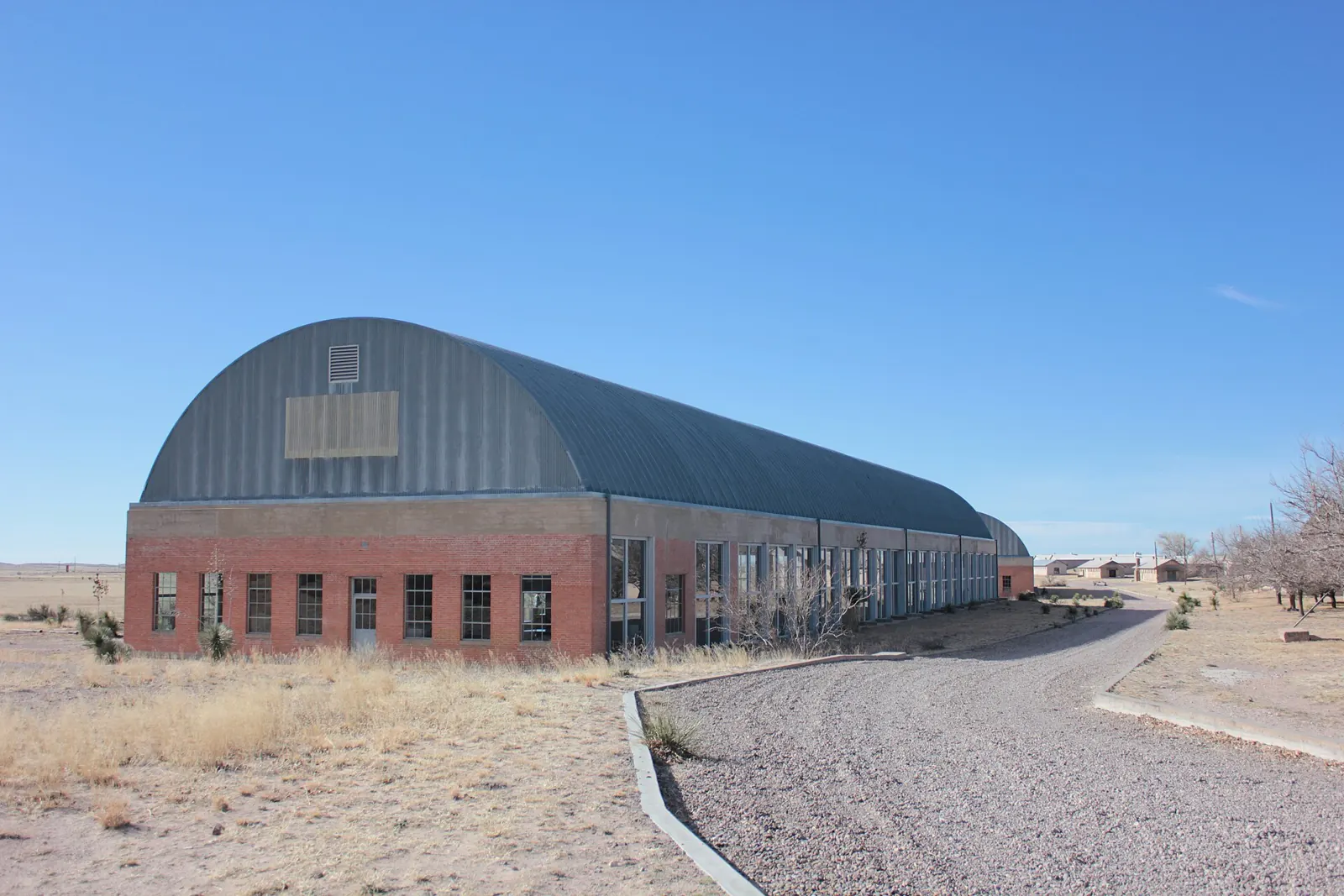
Walter De Maria's grid of 400 polished steel poles in the New Mexico high desert (1977). You can only see it by spending the night in the cabin beside it, from May to October.
Getting there: Quemado, New Mexico: Dia drives you in from its office. Book with Dia from 1 February
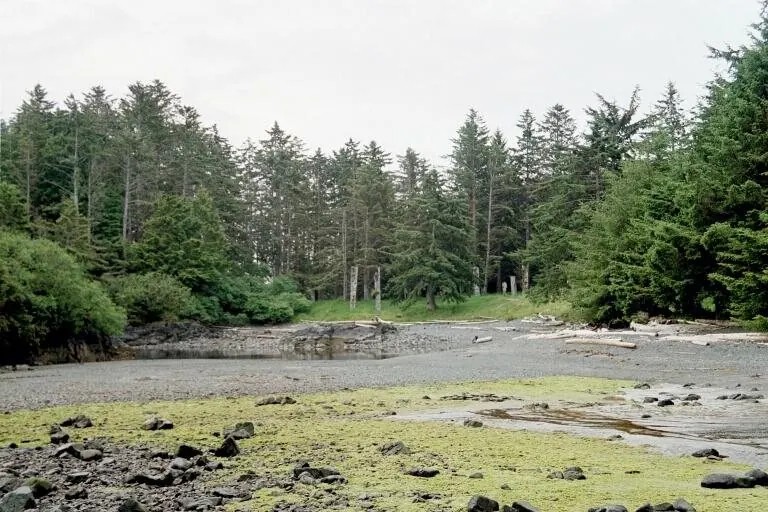
The remains of a Haida village on a remote island, its carved mortuary and memorial poles left to return to the forest, as the Haida intend. Haida Watchmen guide visitors.
Getting there: Gwaii Haanas, Haida Gwaii, British Columbia: by boat or floatplane only
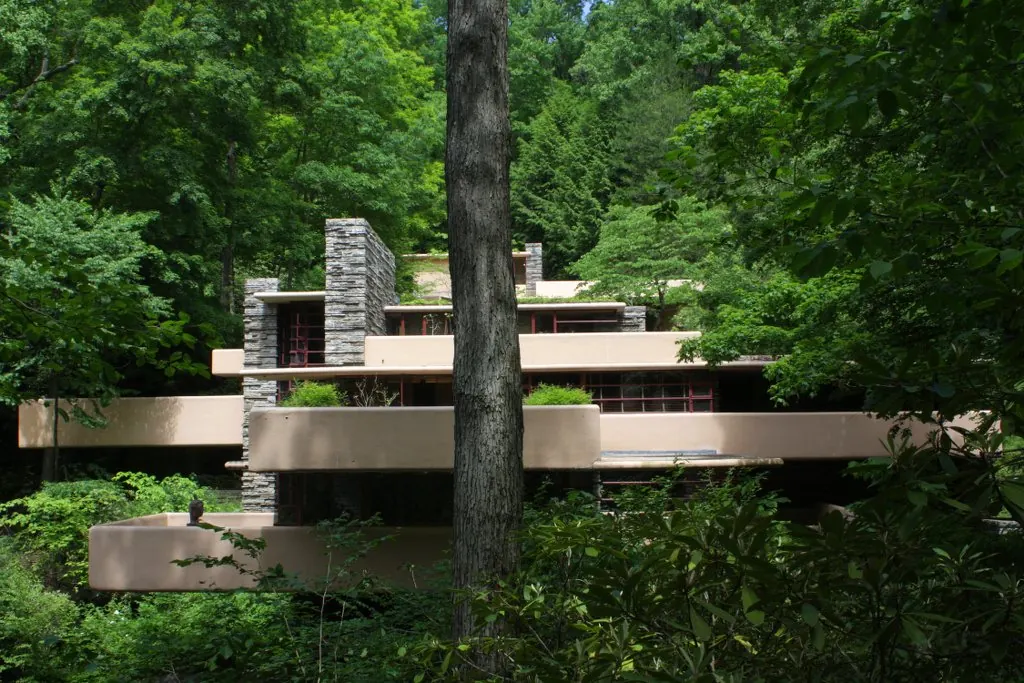
Frank Lloyd Wright's house for the Kaufmann family, cantilevered over a waterfall in the Pennsylvania woods, built from 1936. By guided tour, booked ahead.
Getting there: Mill Run, Pennsylvania, about 90 minutes from Pittsburgh
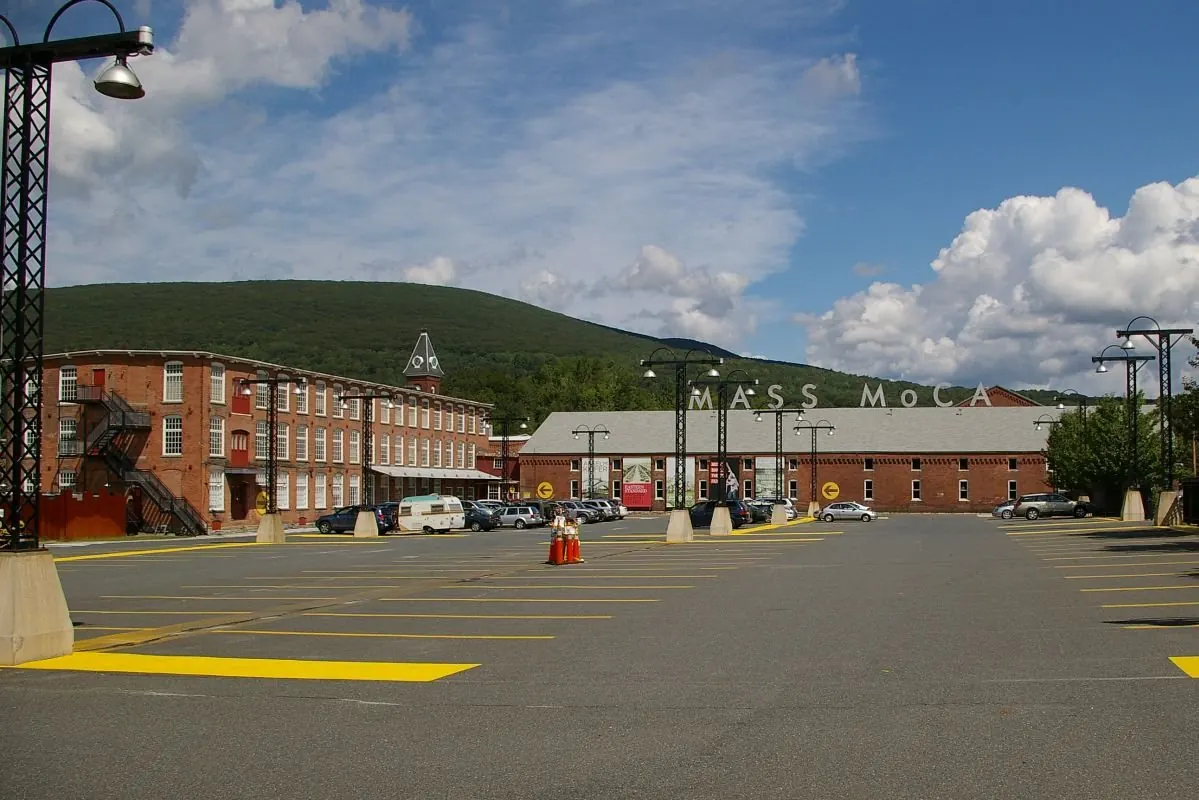
A 19th-century factory complex in the Berkshires turned into one of the largest contemporary art museums in the US, with long-term buildings for Sol LeWitt's wall drawings and Anselm Kiefer.
Getting there: North Adams, Massachusetts, about three and a half hours from New York
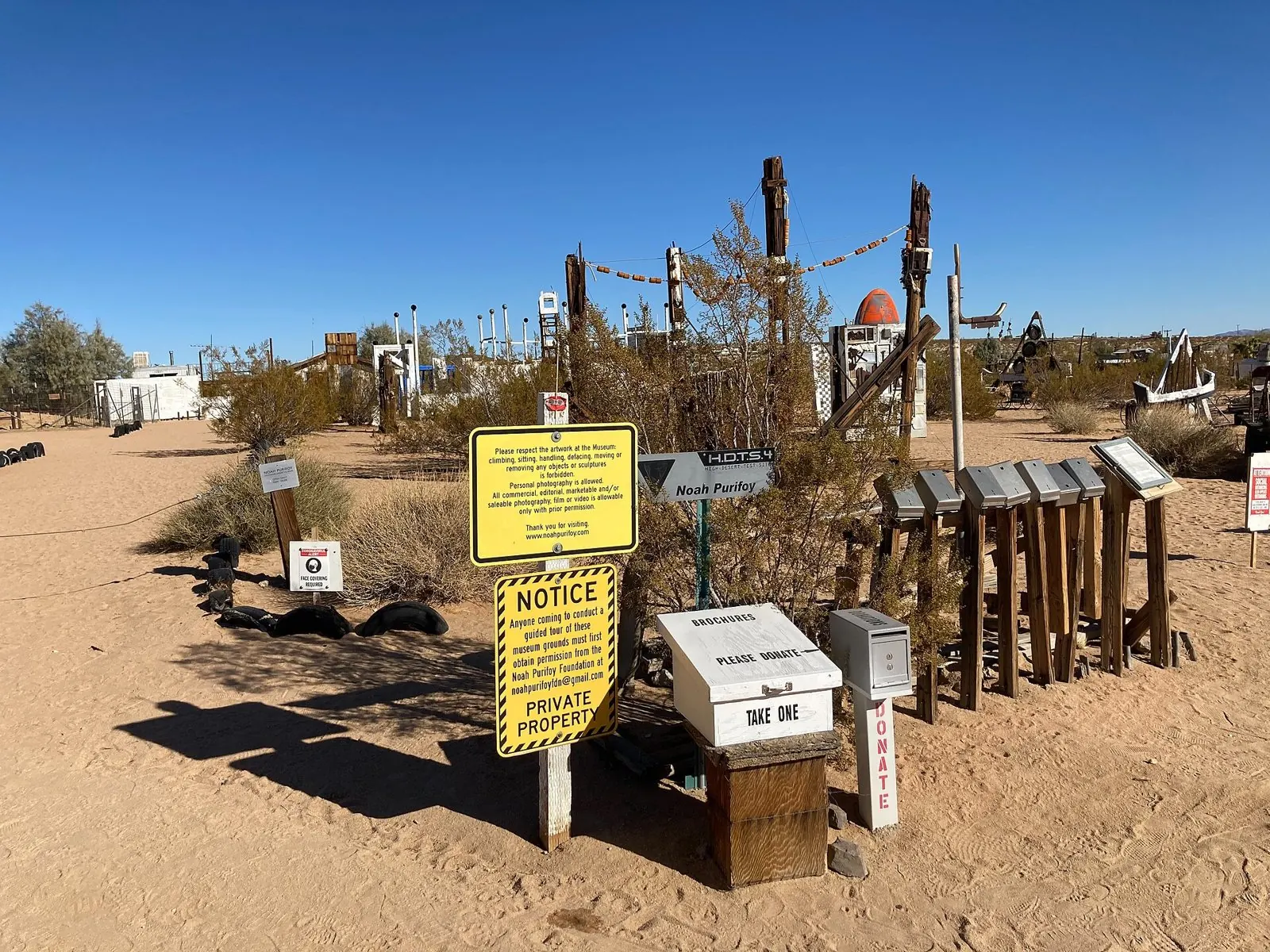
Noah Purifoy Outdoor Desert Art Museum, USA · CC BY-SA 4.0
USA · Sculpture park
Noah Purifoy Outdoor Desert Art Museum
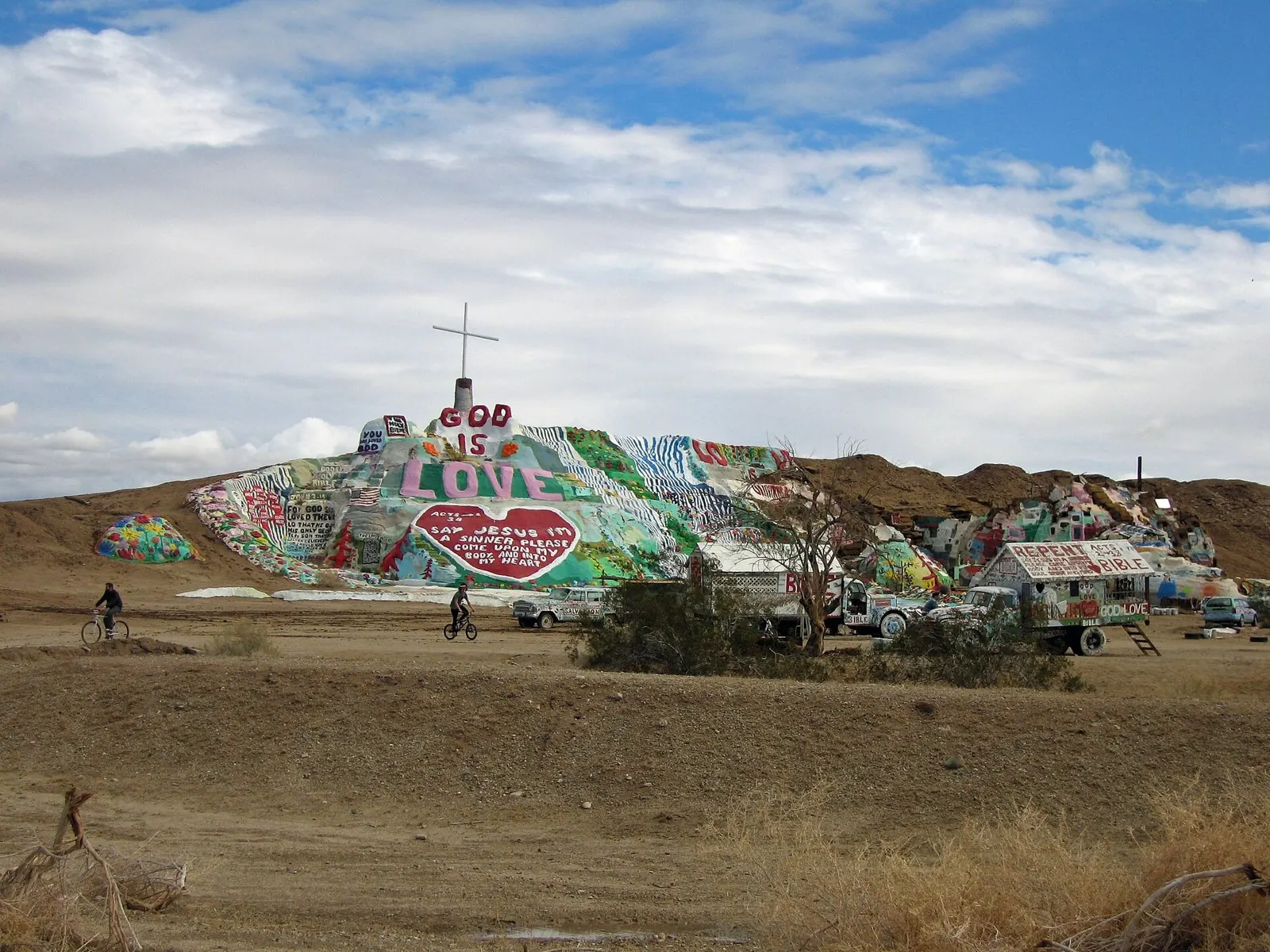
From 1989 until his death in 2004, the artist Noah Purifoy built about a hundred sculptures from junk across ten acres of the Mojave: scrap wood and metal, tyres, old appliances.
Getting there: Joshua Tree, California, about two and a half hours from Los Angeles. Free, open daylight hours
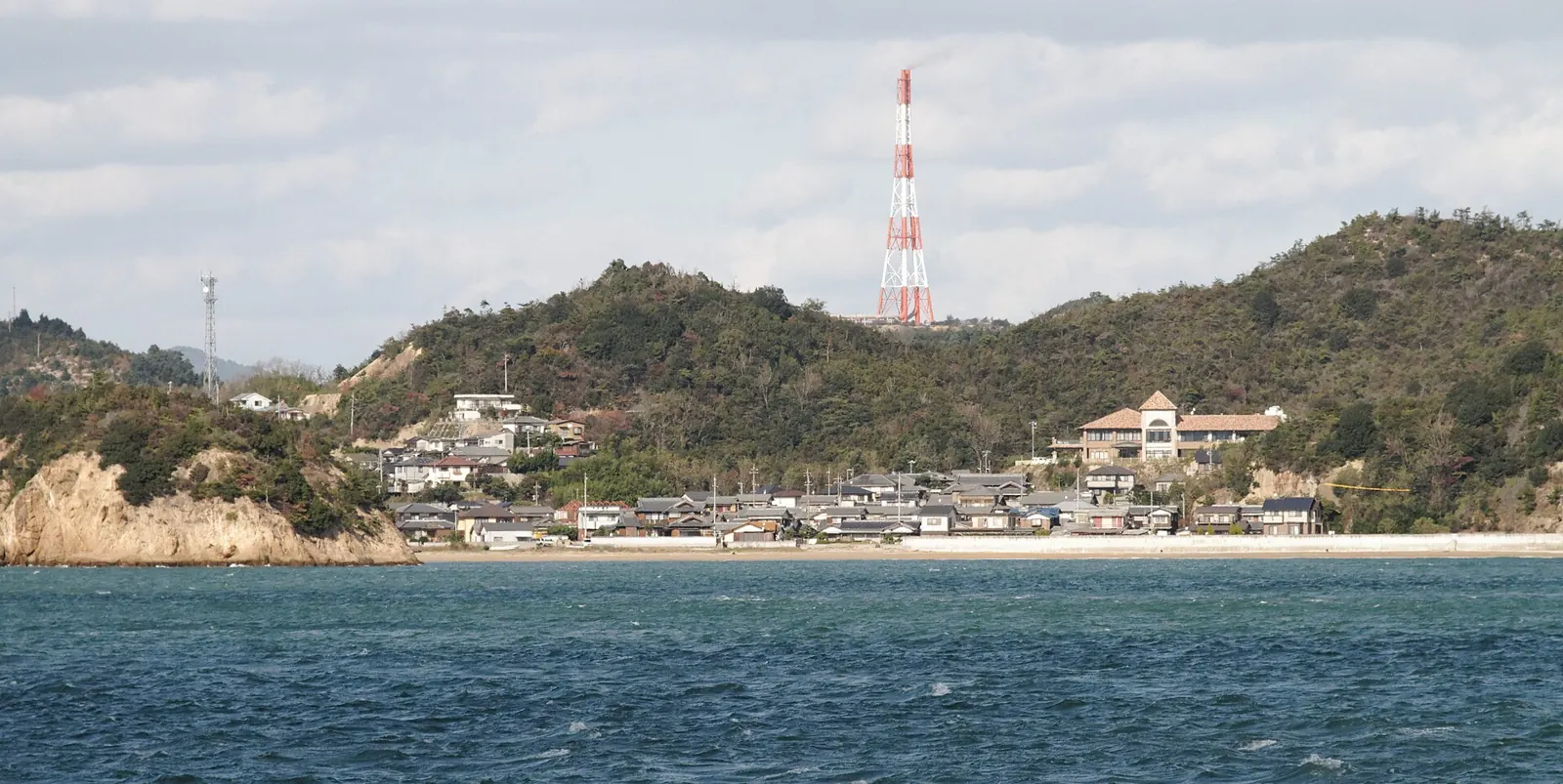
An island in the Seto Inland Sea turned into an art destination: the Benesse Art Site, and Tadao Ando's Chichu Art Museum, built into the hill around Monet, James Turrell and Walter De Maria.
Getting there: Train to Okayama, then ferry from Uno
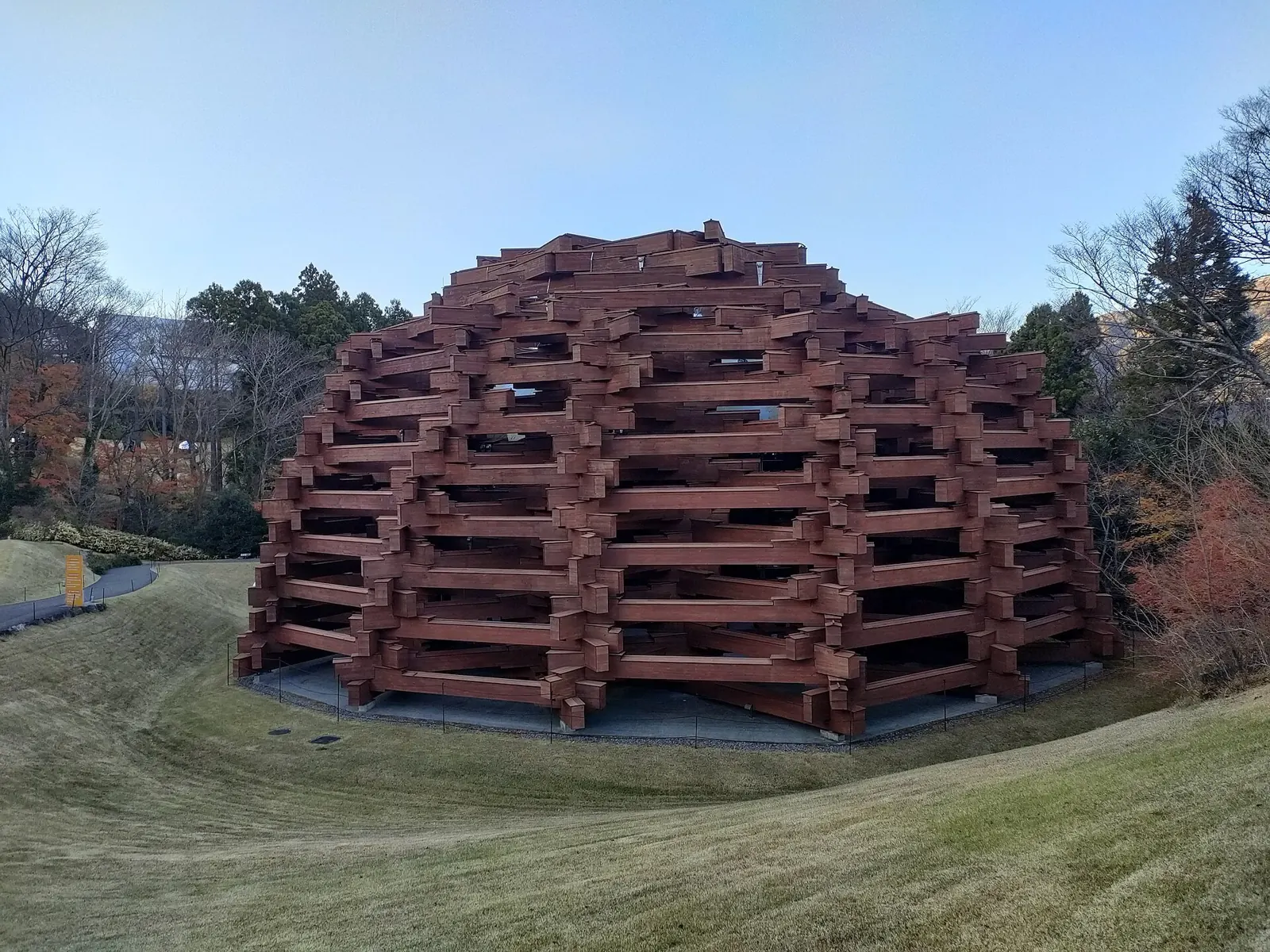
Japan's first open-air museum (1969): about 120 sculptures across the hills, and a Picasso Pavilion with more than 300 works. Finish with the hot springs.
Getting there: About an hour and a half from Tokyo