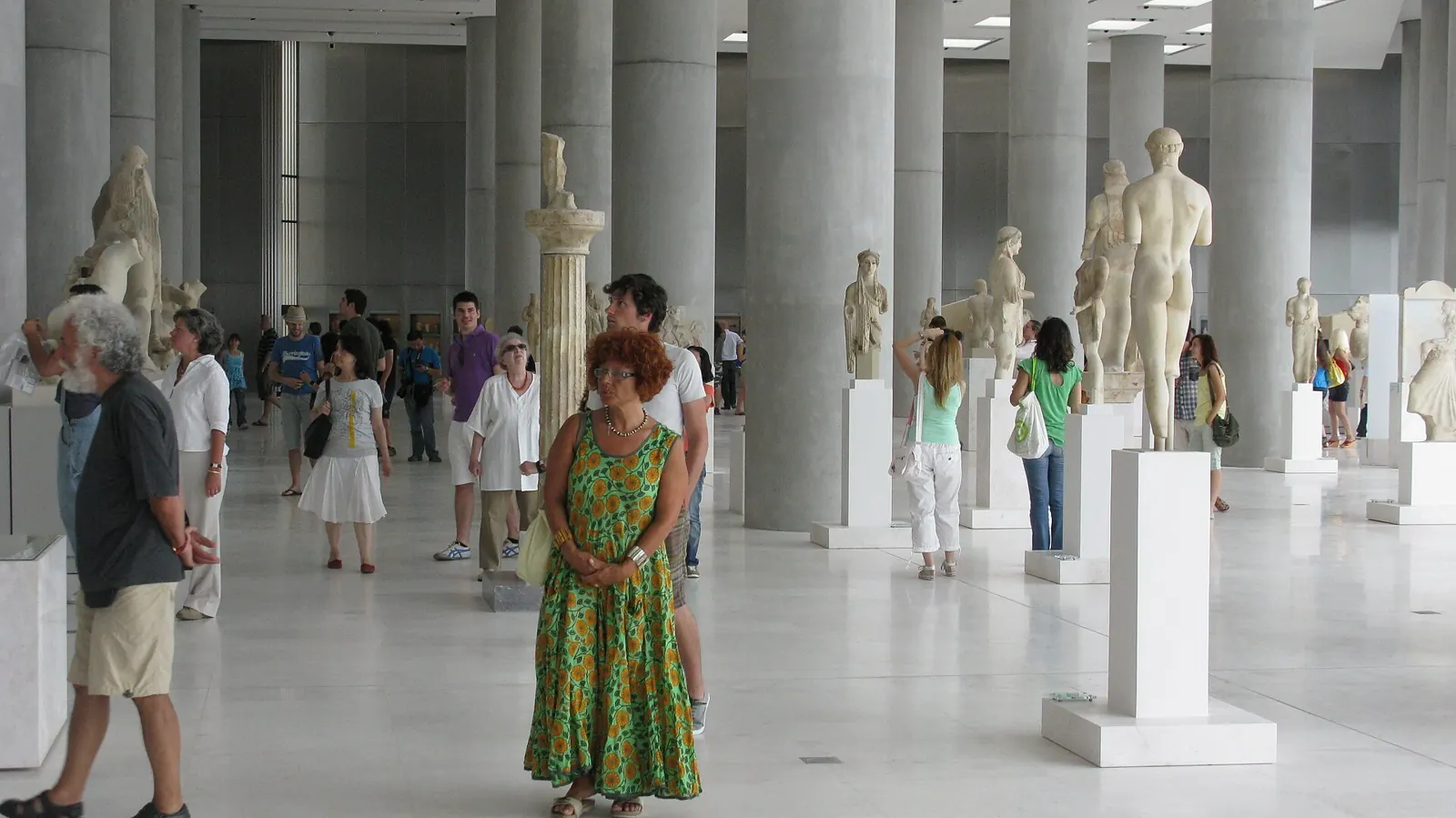
Bernard Tschumi's museum at the foot of the rock, built over an excavated neighbourhood. The Parthenon frieze is displayed in a glass gallery aligned with the temple.
Look for: The five Caryatids, with the gap where the sixth is in London.
Daily
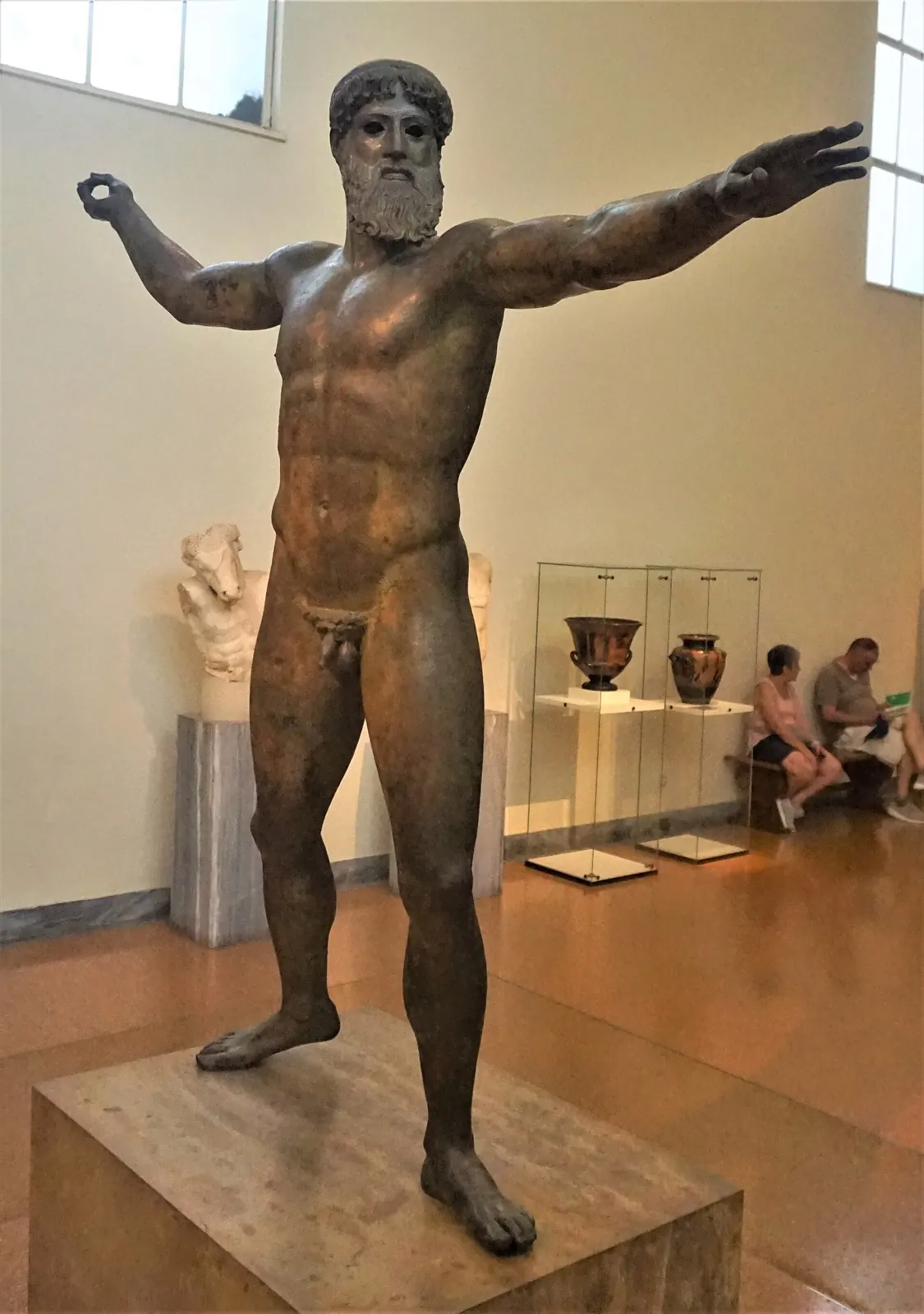
The Artemision Bronze, c. 460 BC. National Archaeological Museum, Athens · CC BY-SA 4.0
Museum · Exarchia
National Archaeological Museum
The greatest collection of ancient Greek art in the world: Mycenaean gold, the Antikythera mechanism, and bronzes pulled from the sea.
Look for: The Artemision Bronze, a god about to throw something he no longer holds.
Daily
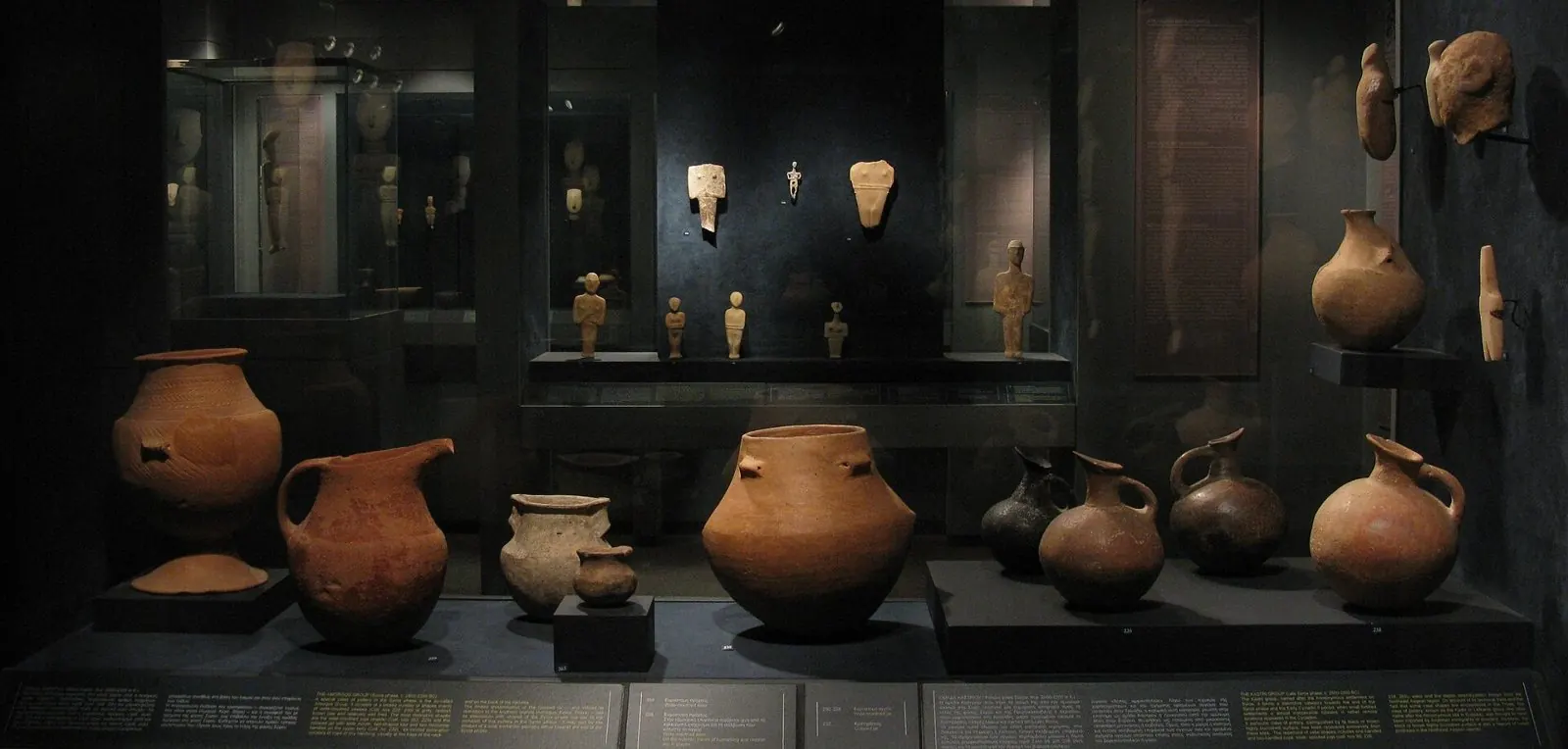
Museum of Cycladic Art, Athens · CC BY 2.0
Museum · Kolonaki
Museum of Cycladic Art
Small marble figures from the Cycladic islands, 3200–2000 BC, that look as if they were made in 1930. Modigliani and Brancusi looked hard at them.
Look for: The harp player.
Closed Tuesdays
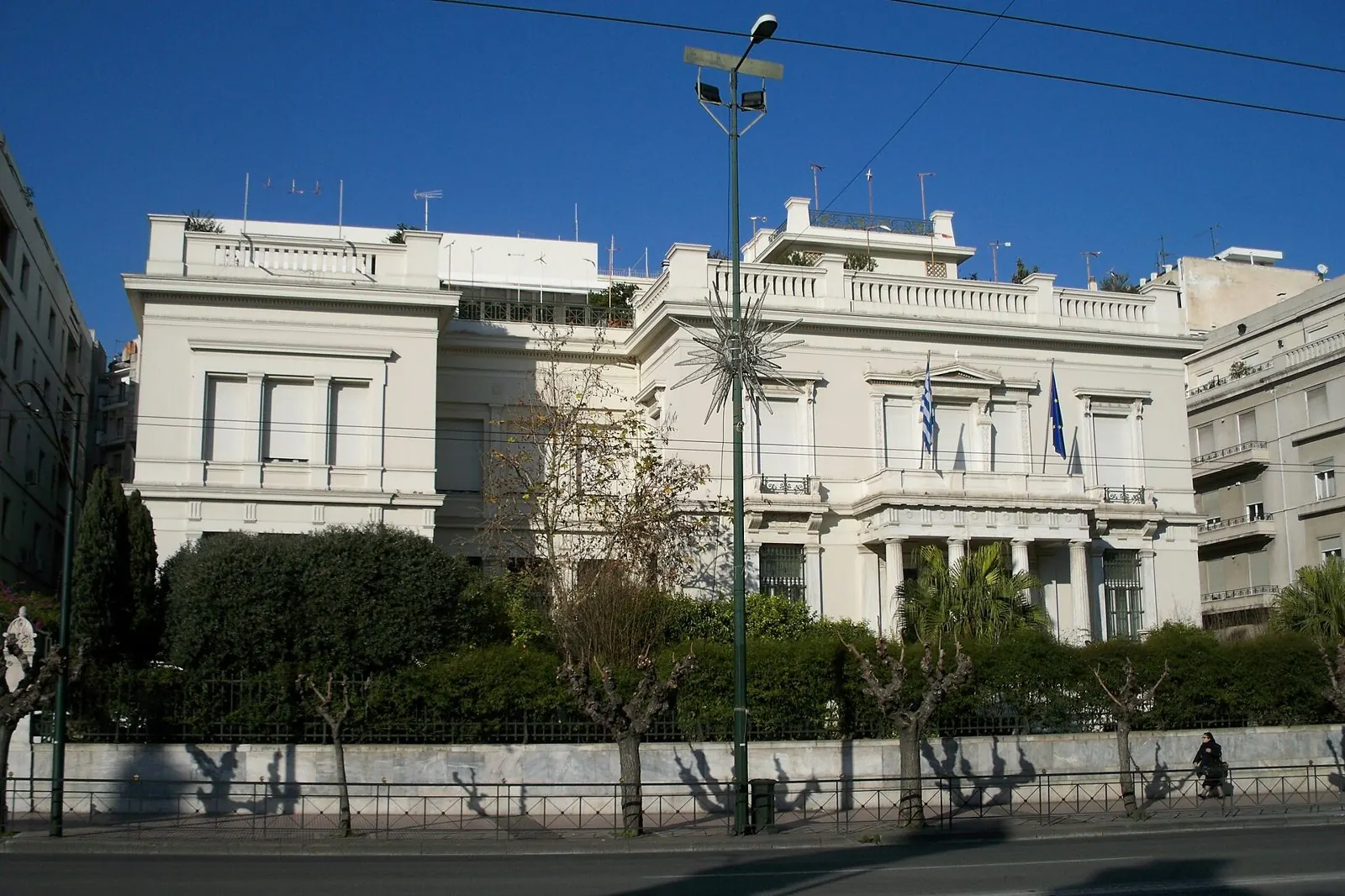
Benaki Museum, Athens · CC BY-SA 3.0
Museum · Kolonaki
Benaki Museum
Greek culture from prehistory to the 20th century in a family mansion, plus a separate building on Pireos Street for contemporary shows.
Look for: The reconstructed reception rooms from Kozani mansions.
Rooftop café
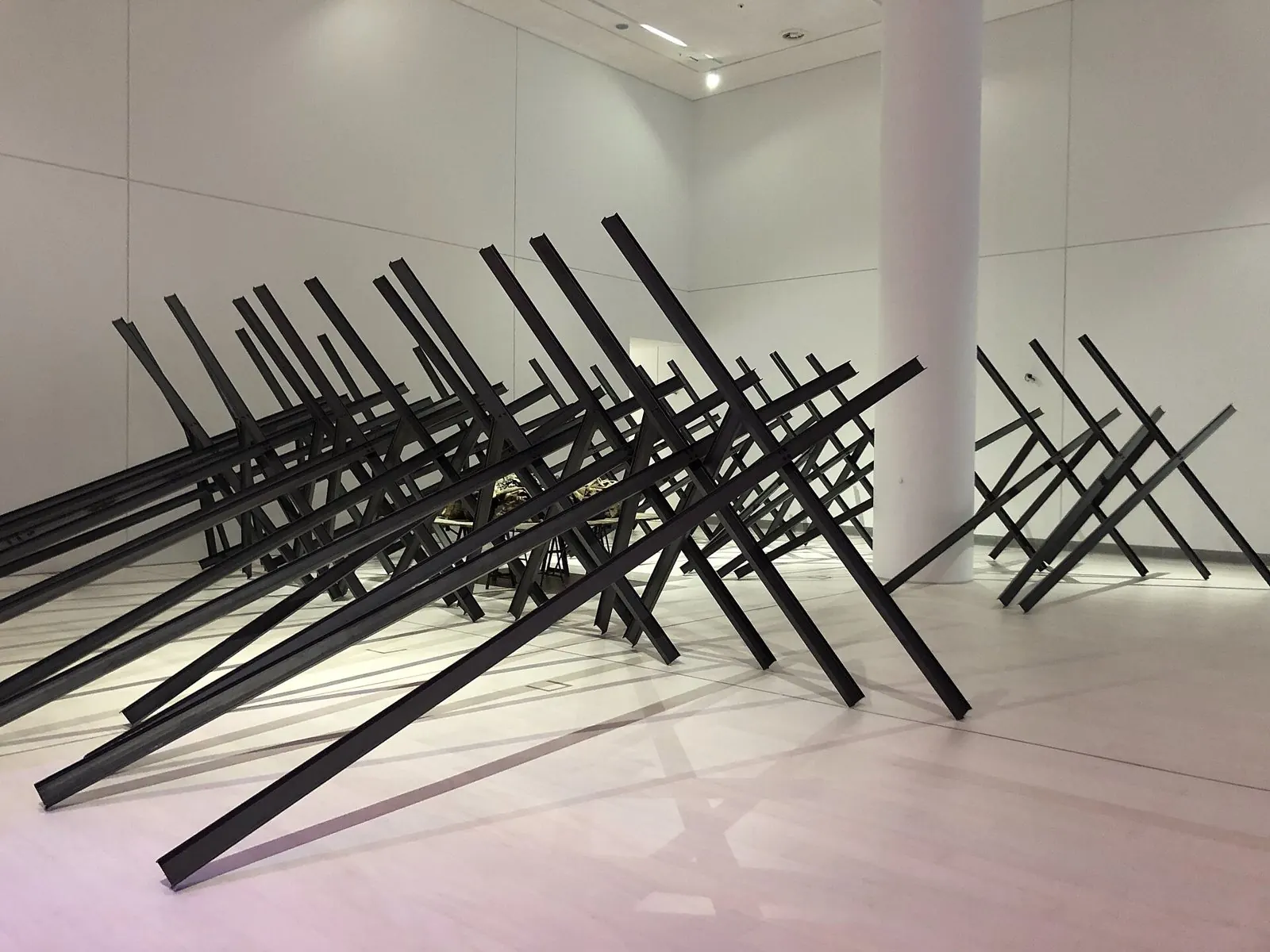
Jannis Kounellis at EMST, Athens · CC BY-SA 4.0
Museum · Koukaki
National Museum of Contemporary Art (EMST)
Greece's contemporary art museum, in the former Fix brewery on Syngrou Avenue.
Look for: The rooftop, for the view to the Acropolis.
Closed Mondays
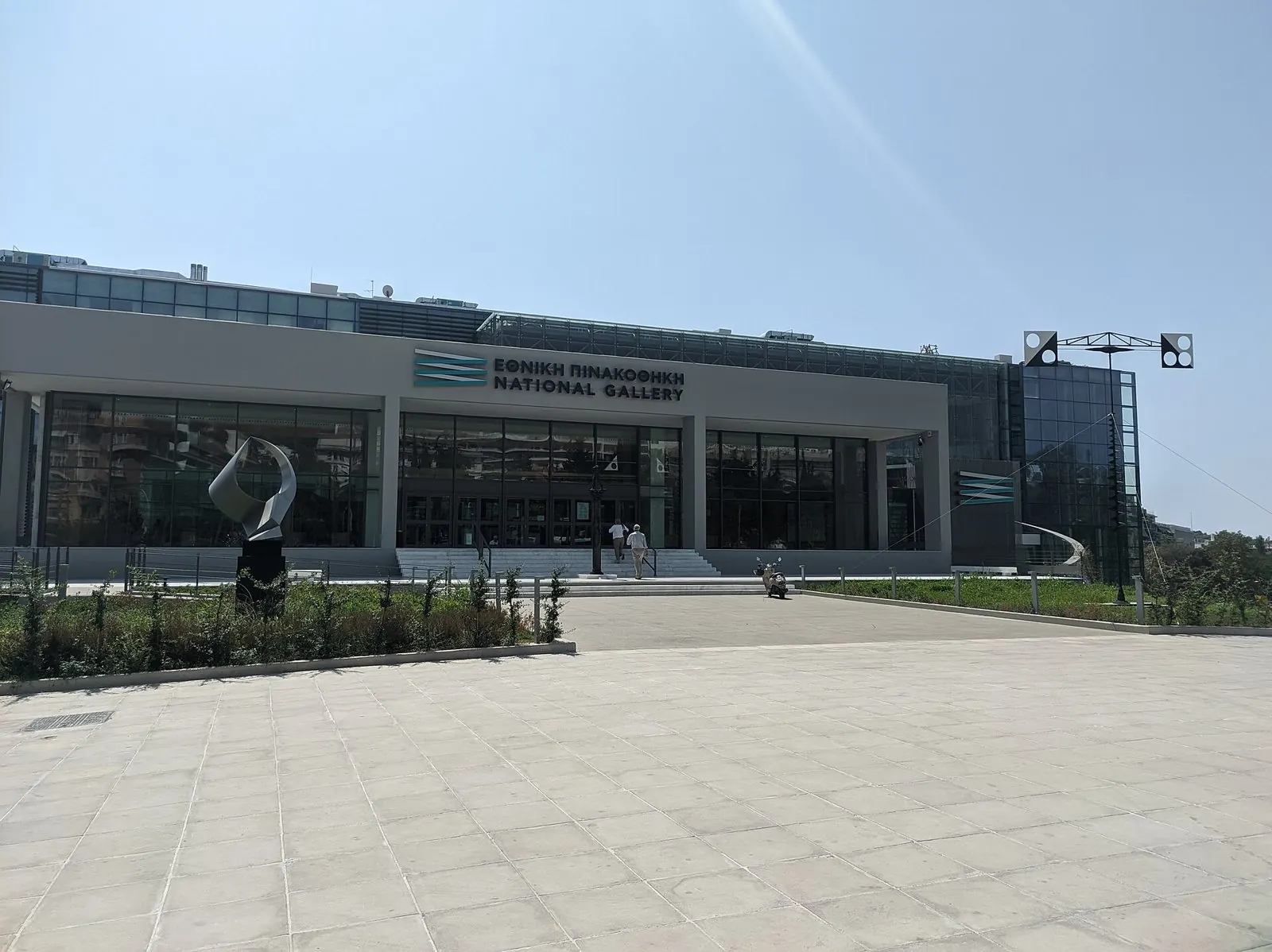
National Gallery, Athens · CC BY-SA 4.0
Museum · Pangrati
National Gallery
Greek painting from the post-Byzantine era to the present, in a building reopened in 2021 after a long expansion. Two El Grecos.
Look for: The Greek modernists: Ghika, Tsarouchis, Moralis.
Closed Tuesdays
Off the list
Off-Piste in Athens
Rooms, ruins and curiosities: the city's other museum.
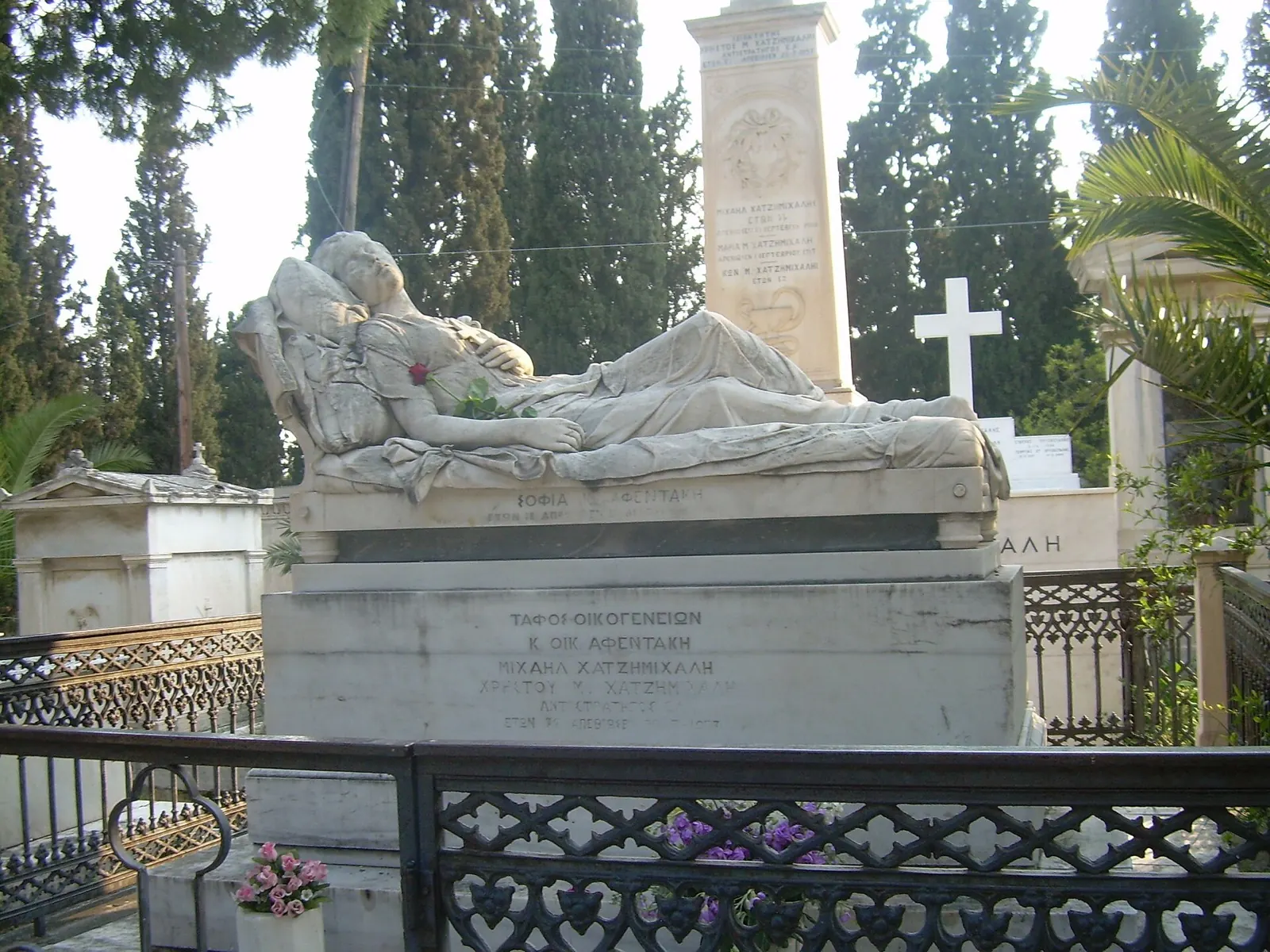
Yannoulis Chalepas, The Sleeping Maiden, 1878. First Cemetery of Athens · CC BY-SA 3.0
Cemetery · Mets
The Sleeping Maiden, First Cemetery
Yannoulis Chalepas's marble tomb of a young woman, made in 1878 just before he broke down. The cemetery is a sculpture park of 19th-century Athens.
Find the Sleeping Maiden, then Schliemann's temple-tomb.
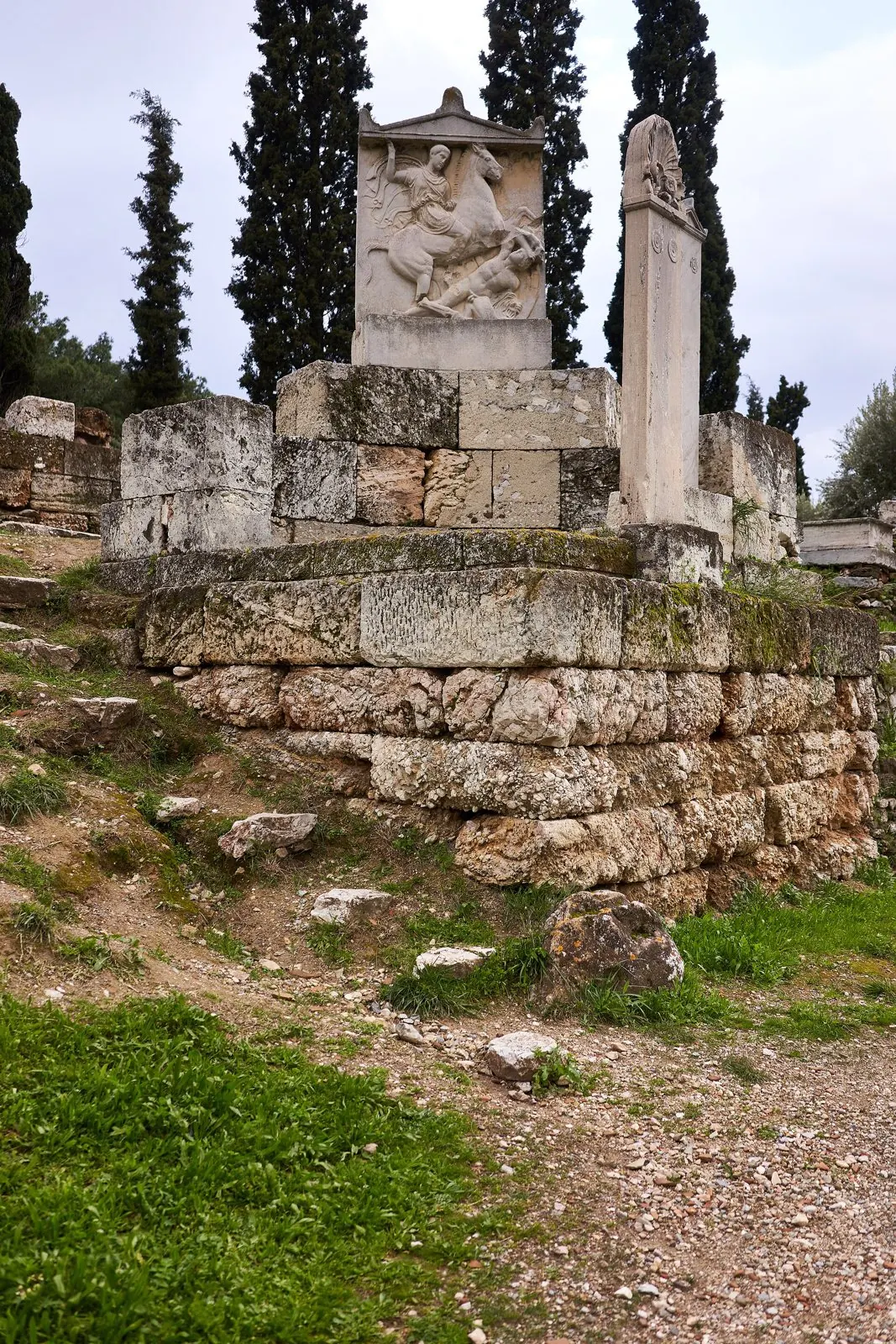
Kerameikos, Athens · CC0
Archaeological site · Thissio
Kerameikos
The ancient potters' quarter and cemetery, with grave reliefs still lining the road to the sea. Quiet, green, full of tortoises.
The bull on the tomb of Dionysios of Kollytos.
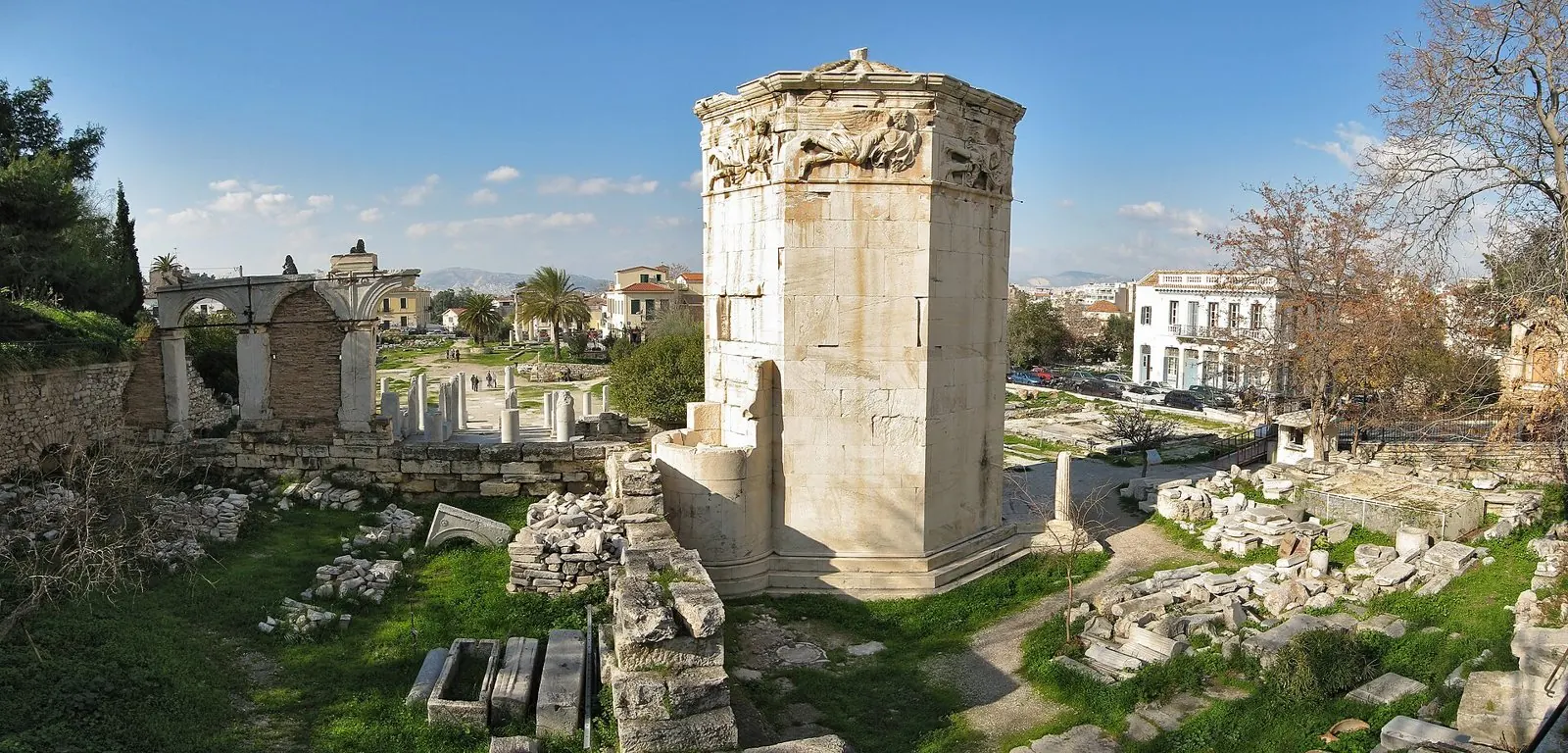
Tower of the Winds, Athens · CC BY-SA 2.5
Monument · Roman Agora
Tower of the Winds
An octagonal marble clock tower of the 1st century BC, each side carved with one of the eight winds.
The north wind, Boreas, blowing a conch.
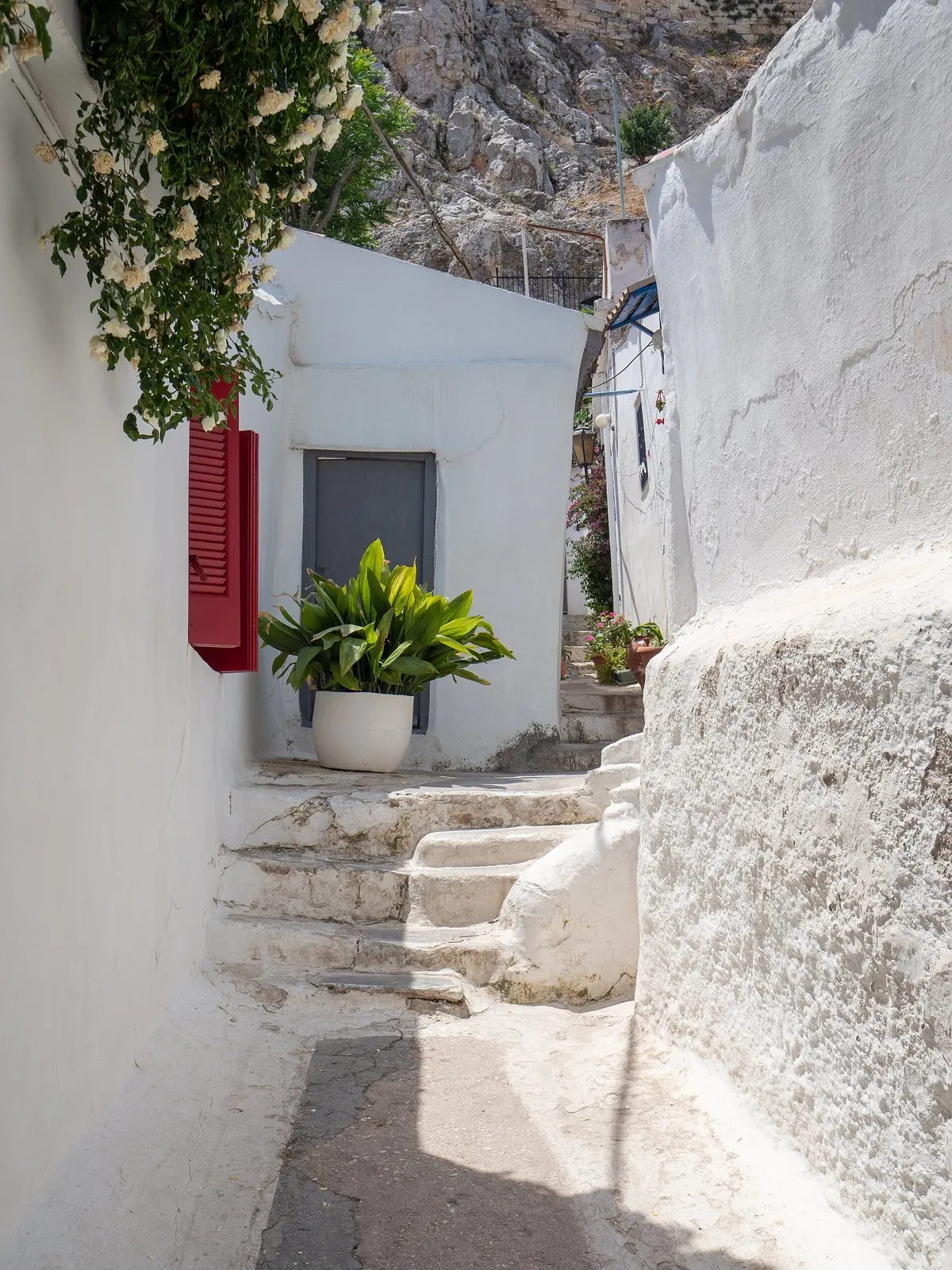
Anafiotika, Athens · CC BY-SA 4.0
Neighbourhood · Under the Acropolis
Anafiotika
A tiny village of whitewashed houses built in the 19th century by builders from the island of Anafi, clinging to the north slope of the rock.
Get lost; it takes ten minutes.
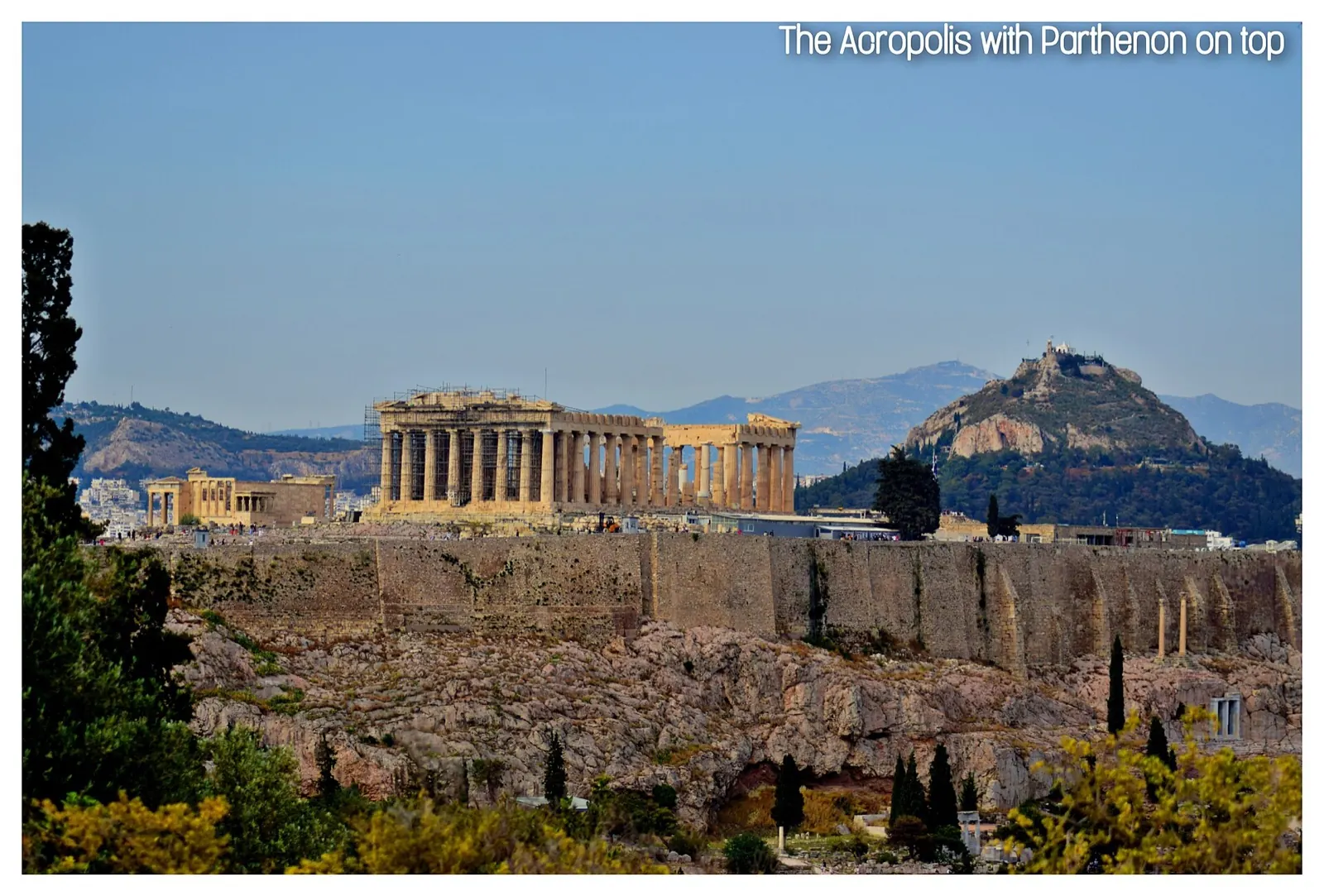
The Acropolis from Philopappou Hill, Athens · CC BY-SA 4.0
Landscape · Philopappou Hill
Pikionis's paths around the Acropolis
Between 1954 and 1957 the architect Dimitris Pikionis laid the paths up to the Acropolis and Philopappou Hill. He used marble fragments from demolished neoclassical houses, set like a mosaic of broken stone, with a small church and pavilion on the way.
Walk up to the Loumbardiaris church at sunset.
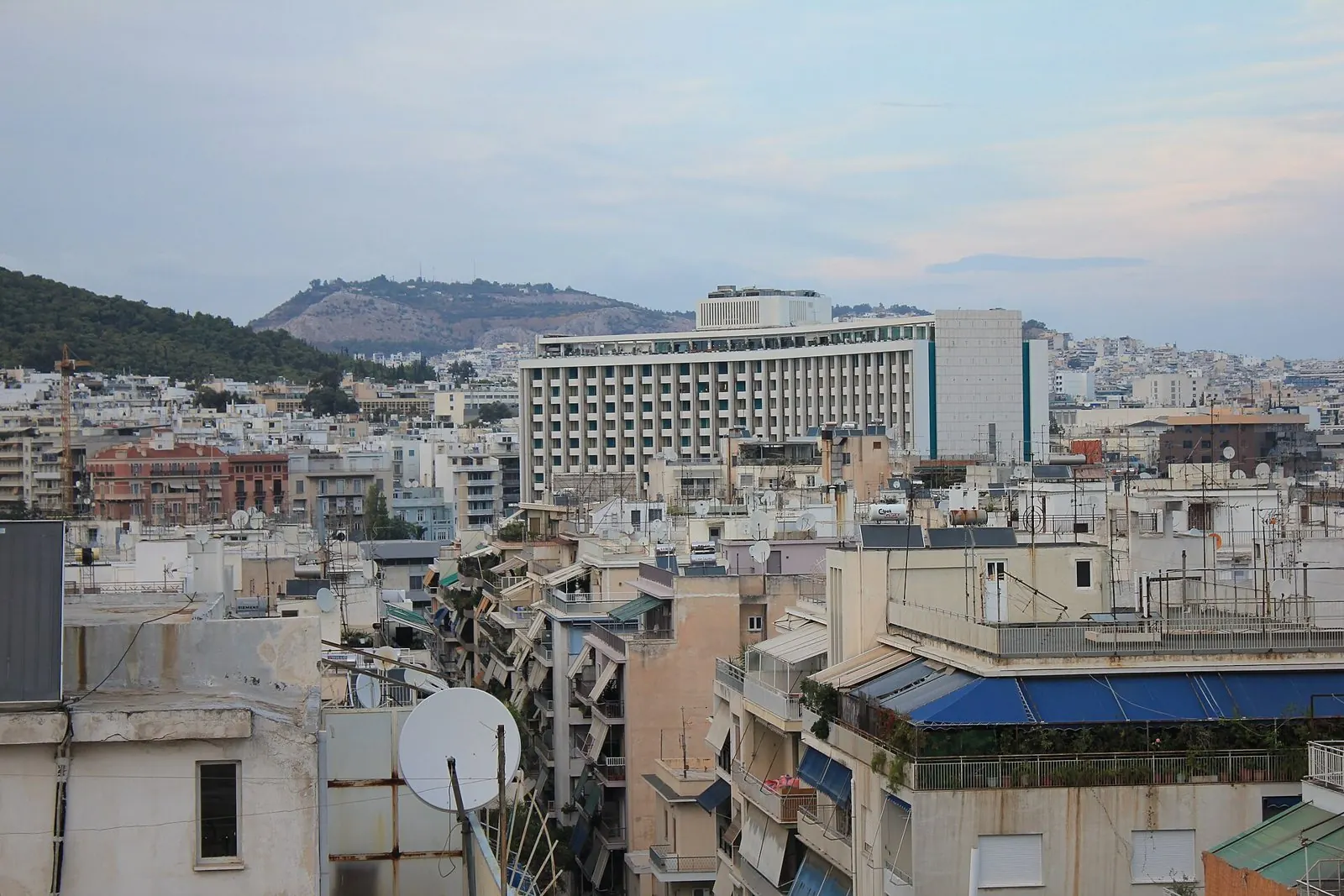
The Athens Hilton façade, Athens · CC BY-SA 4.0
Architecture · Vasilissis Sofias
The Athens Hilton façade
The 1963 hotel façade carries huge incised drawings by the painter Yannis Moralis, cut into the marble: the largest artwork in the city that nobody looks at.
Look from the National Gallery across the avenue.
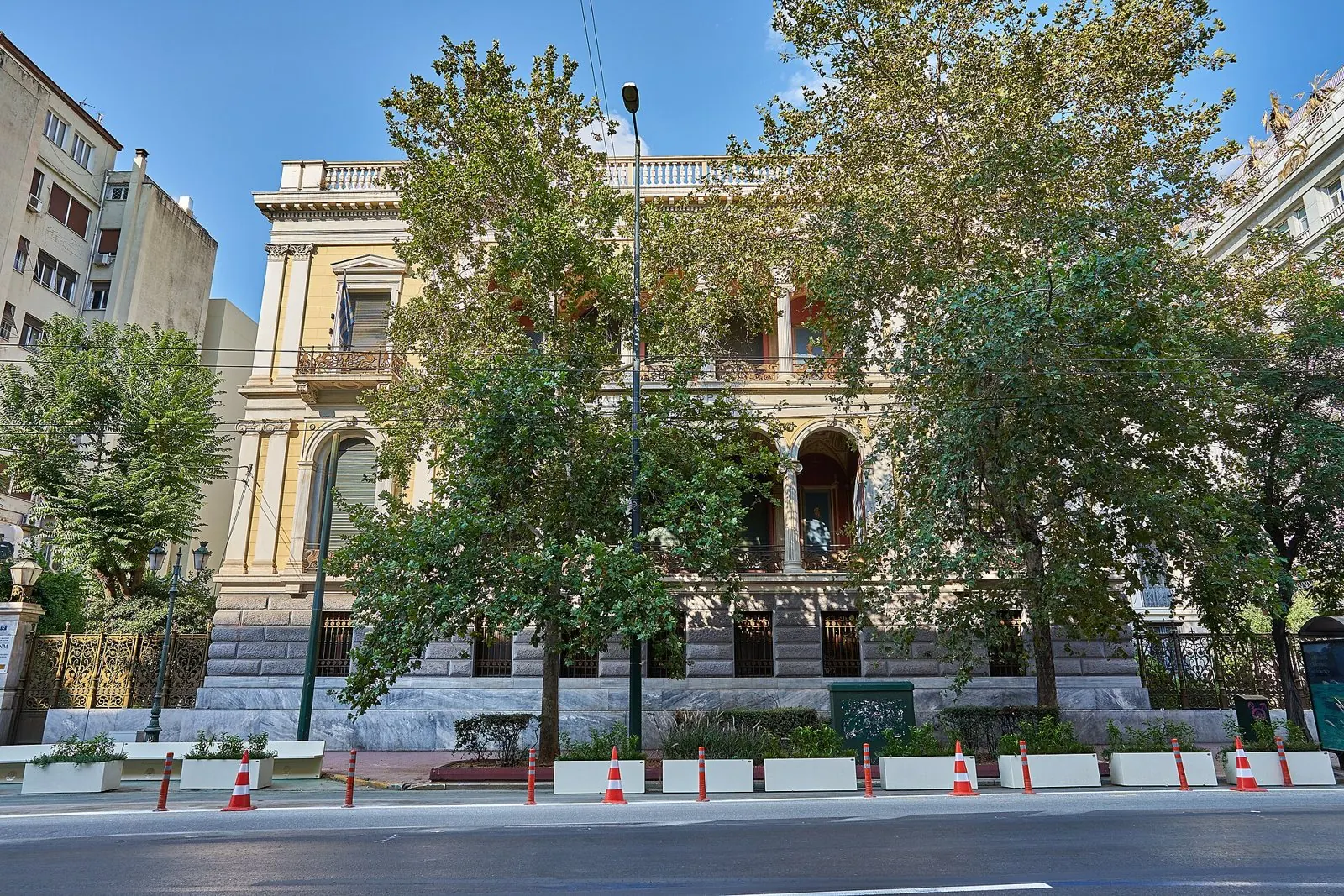
Iliou Melathron, Athens · CC BY-SA 4.0
Interior · Panepistimiou Street
Iliou Melathron
Heinrich Schliemann's palace, built by Ernst Ziller, now the Numismatic Museum. It has painted Pompeian ceilings, a mosaic floor full of Trojan finds and a garden café.
The garden café behind the house.
Nearby
Hydra
Two hours by ferry: no cars, and the DESTE Foundation's summer show in the old slaughterhouse.
Delphi
The sanctuary and the Charioteer of Delphi, about two and a half hours by road.
The Acropolis at opening → the Acropolis Museum → lunch in Koukaki → walk through Anafiotika to the Tower of the Winds → the Museum of Cycladic Art → sunset from Lycabettus.