National Gallery of Art, Washington · Public domain
Museum · National Mall
National Gallery of Art
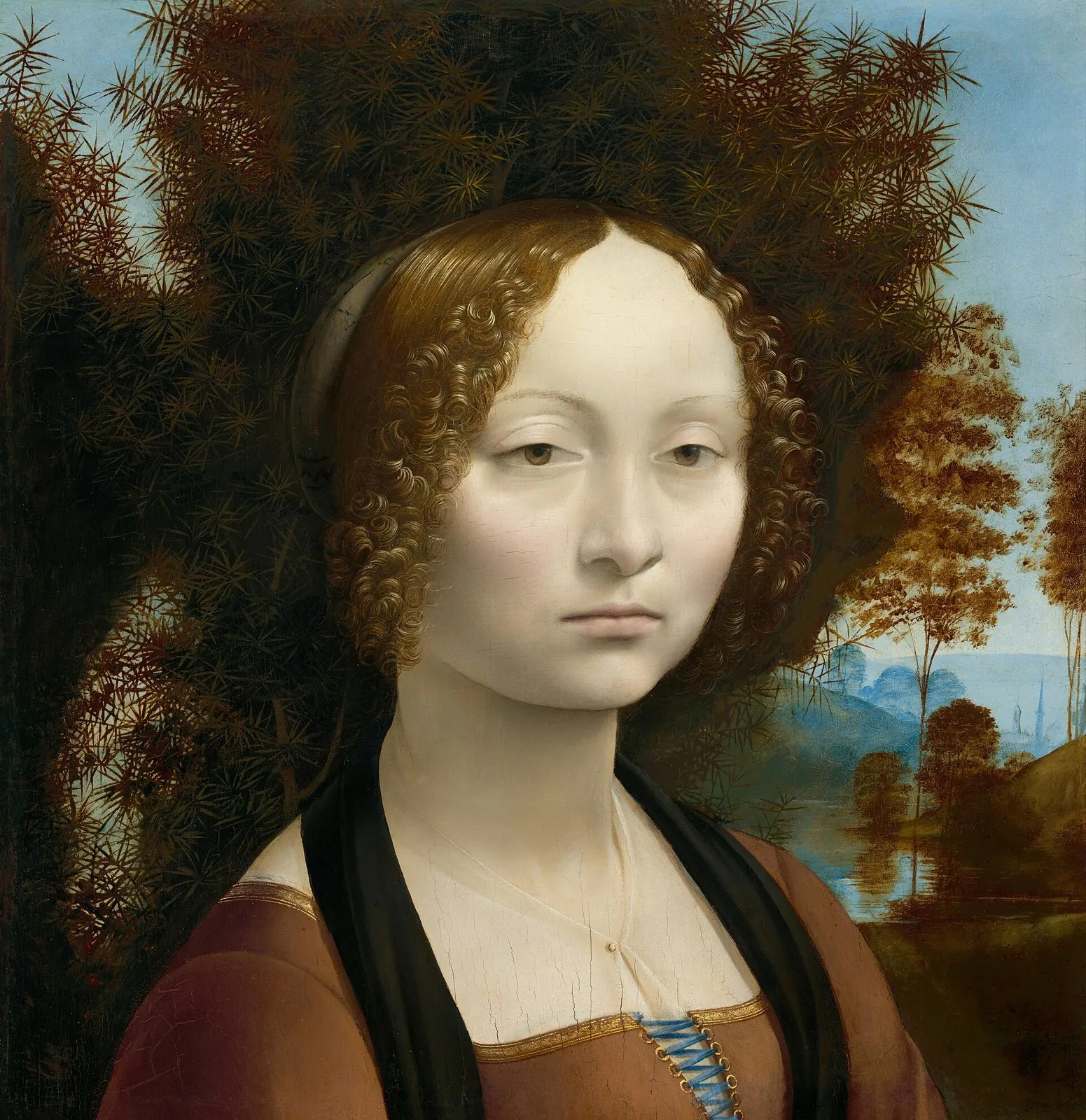
John Russell Pope's West Building (1941) and I. M. Pei's triangular East Building (1978), linked underground. The only painting by Leonardo in the Americas, Ginevra de' Benci, is here.
Look for: Ginevra de' Benci, and the juniper behind her.
Free
Hirshhorn Museum and Sculpture Garden, Washington · Public domain
Museum · National Mall
Hirshhorn Museum and Sculpture Garden
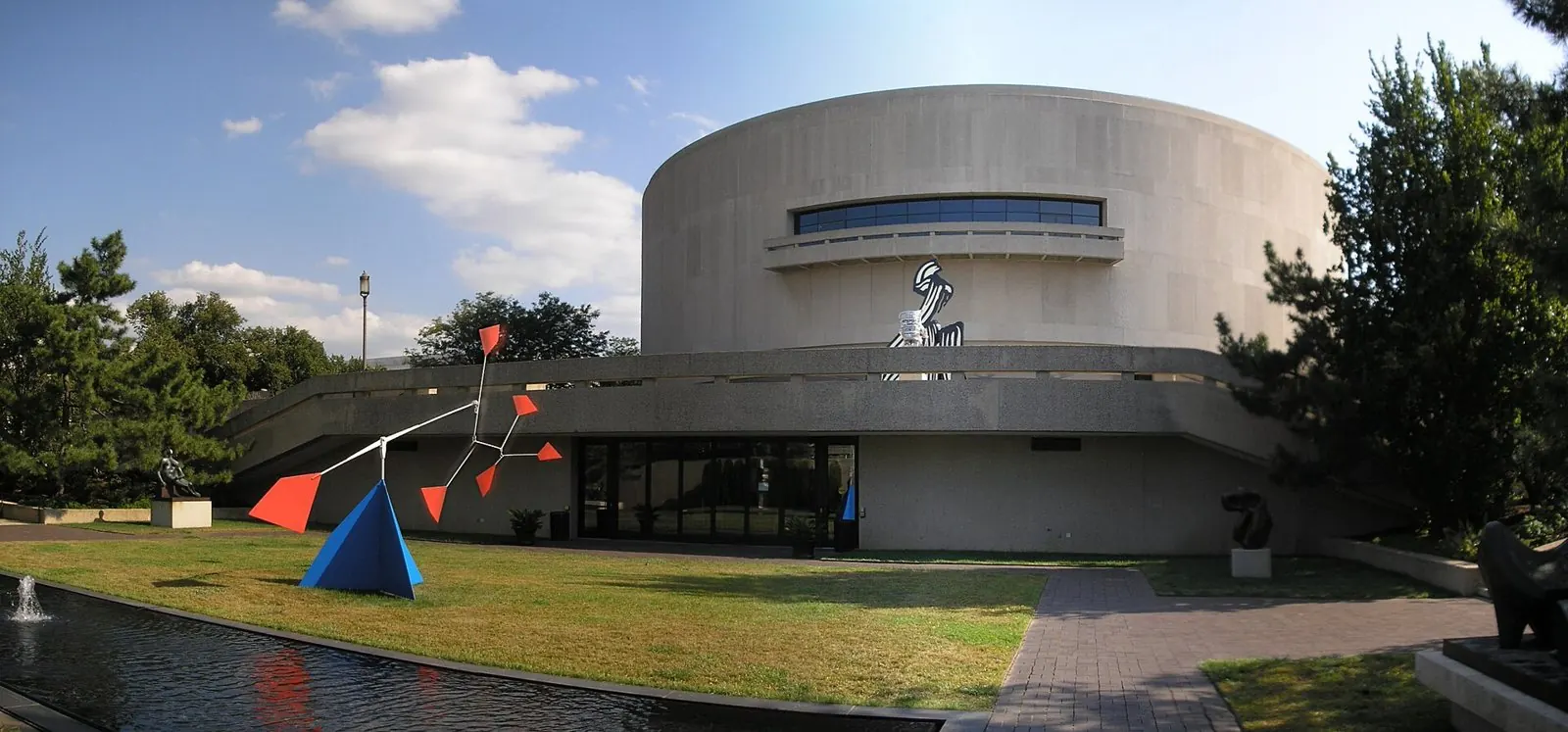
The Smithsonian's museum of modern and contemporary art, in Gordon Bunshaft's concrete drum (1974), with a sunken sculpture garden across the road.
Look for: The sculpture garden, sunk below the Mall.
Free
Smithsonian American Art Museum and National Portrait Gallery, Washington · CC BY 2.0
Museum · Penn Quarter
Smithsonian American Art Museum and National Portrait Gallery
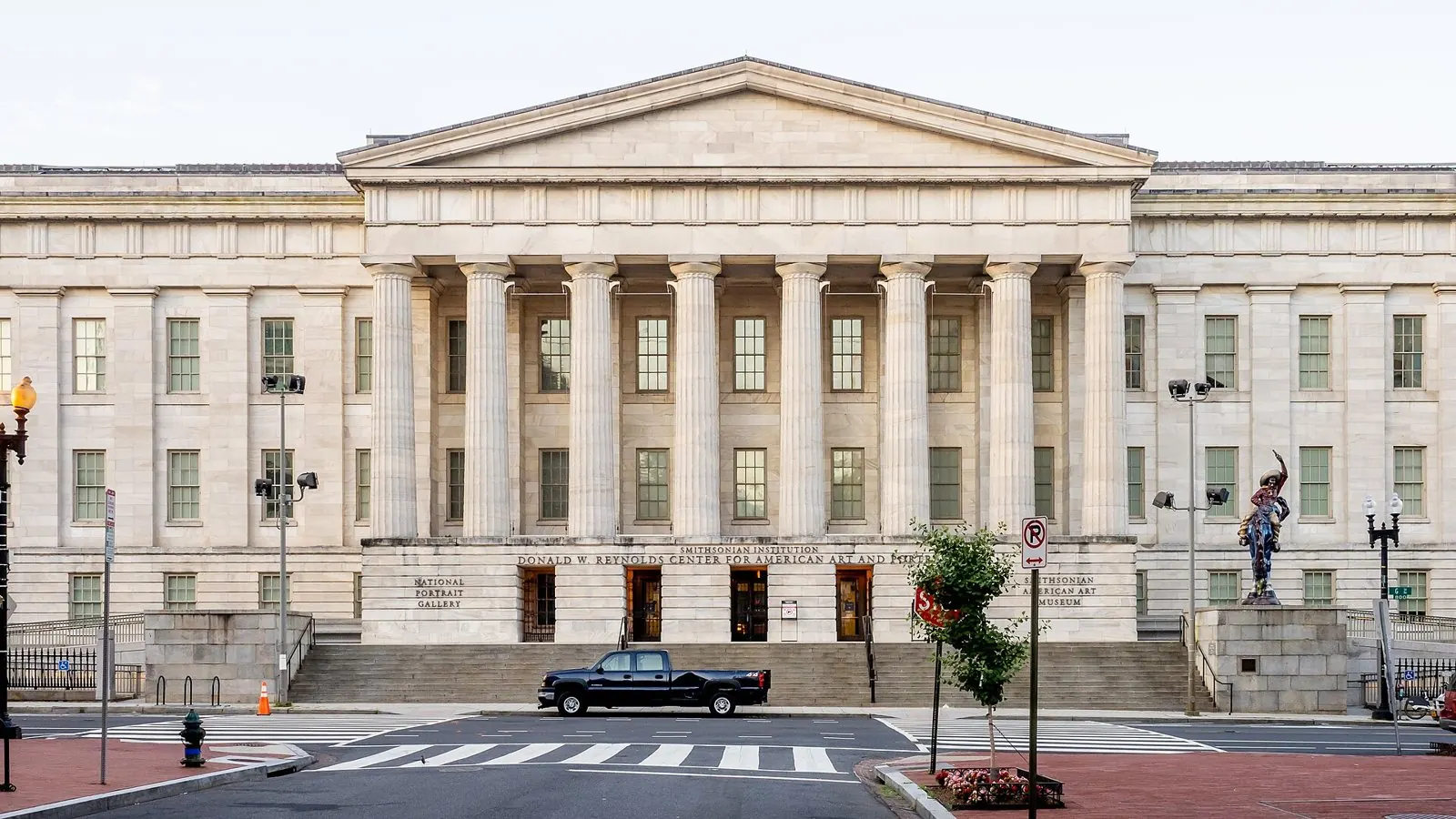
Two museums sharing the Greek Revival Patent Office Building, with Foster + Partners' glass canopy over the Kogod Courtyard (2007).
Look for: Kehinde Wiley's portrait of Barack Obama, in America's Presidents.
Free
The Phillips Collection, Washington · Public domain
Museum · Dupont Circle
The Phillips Collection
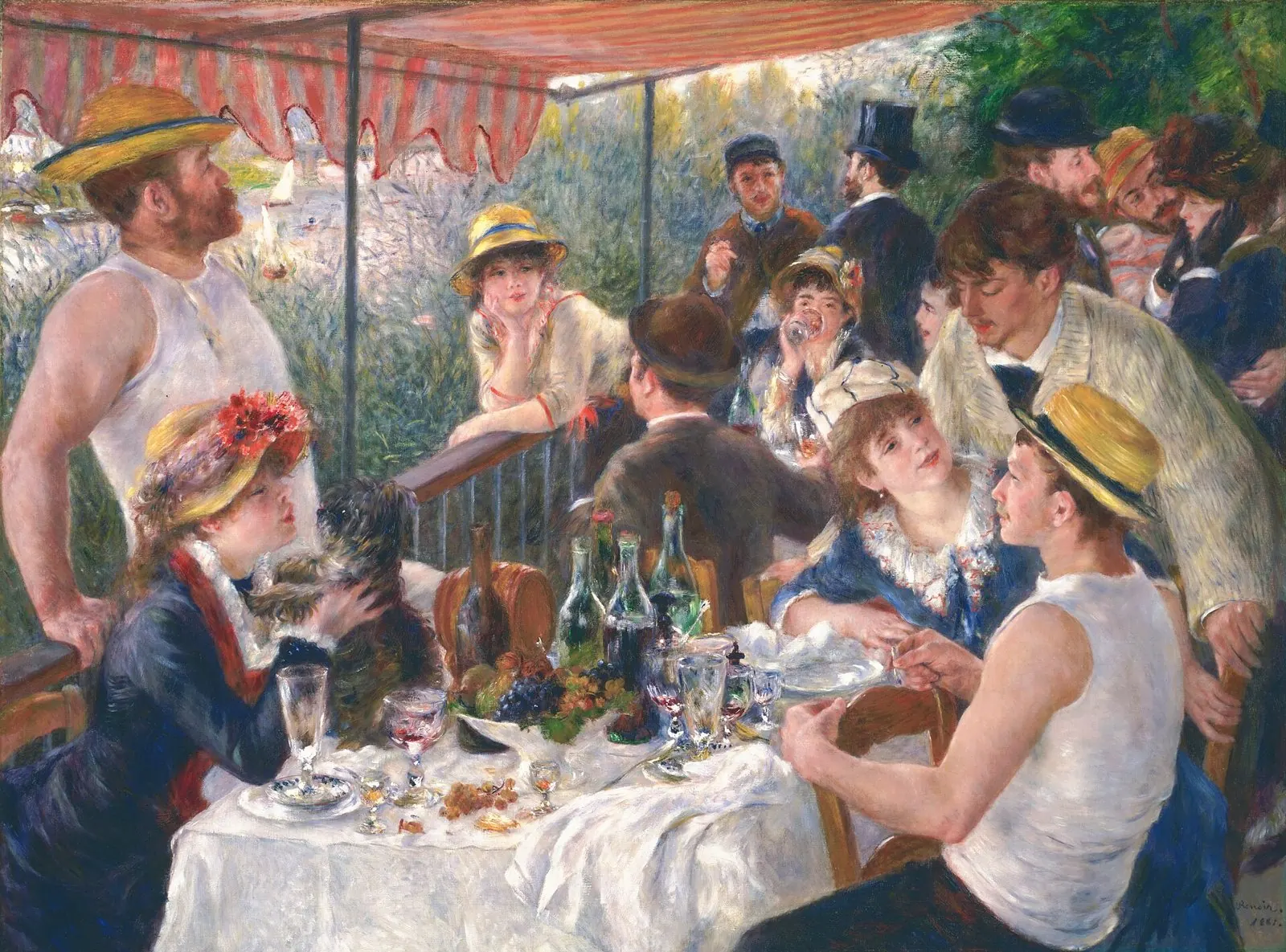
Duncan Phillips opened his house as a museum in 1921: Renoir's Luncheon of the Boating Party, Bonnard, and a small room built around four Rothkos.
Look for: The Rothko Room, made with the painter.
Off the list
Off-Piste in Washington
Rooms, ruins and curiosities: the city's other museum.
Throne of the Third Heaven, Washington · Public domain
Outsider art · Smithsonian American Art Museum
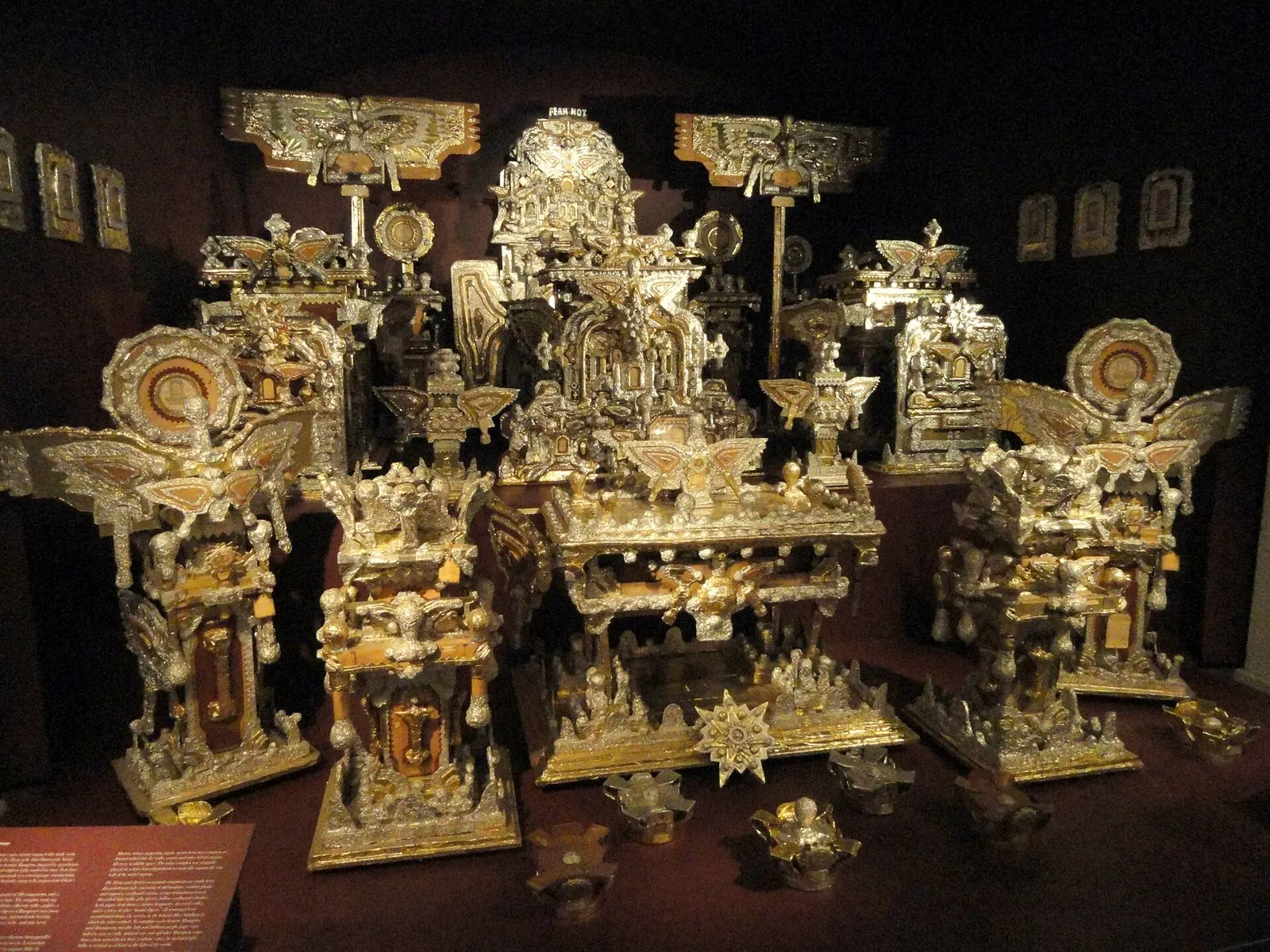
Throne of the Third Heaven
James Hampton, a government janitor, spent about fourteen years building an altar of gold and silver foil, cardboard and old furniture in a rented garage. It was found after his death in 1964.
The handwritten labels, some in a script nobody has deciphered.
Dumbarton Oaks Garden, Washington · Public domain
Garden · Georgetown
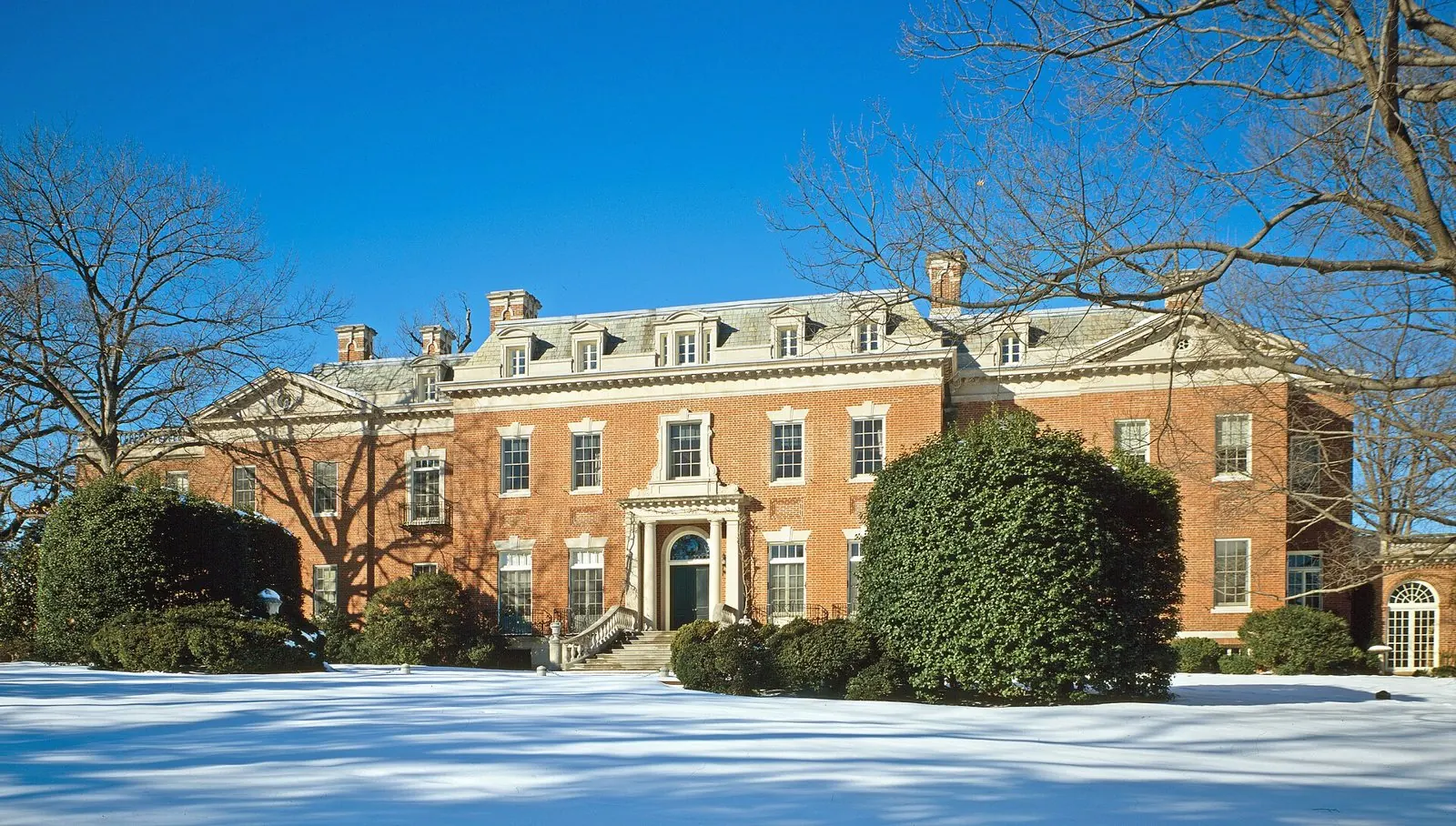
Dumbarton Oaks Garden
Terraced gardens by Beatrix Farrand descending a hillside, and a museum where Philip Johnson built eight glass domes for pre-Columbian art (1963).
The Ellipse of hornbeams.
Washington National Cathedral, Washington · CC BY-SA 3.0
Church · Cathedral Heights
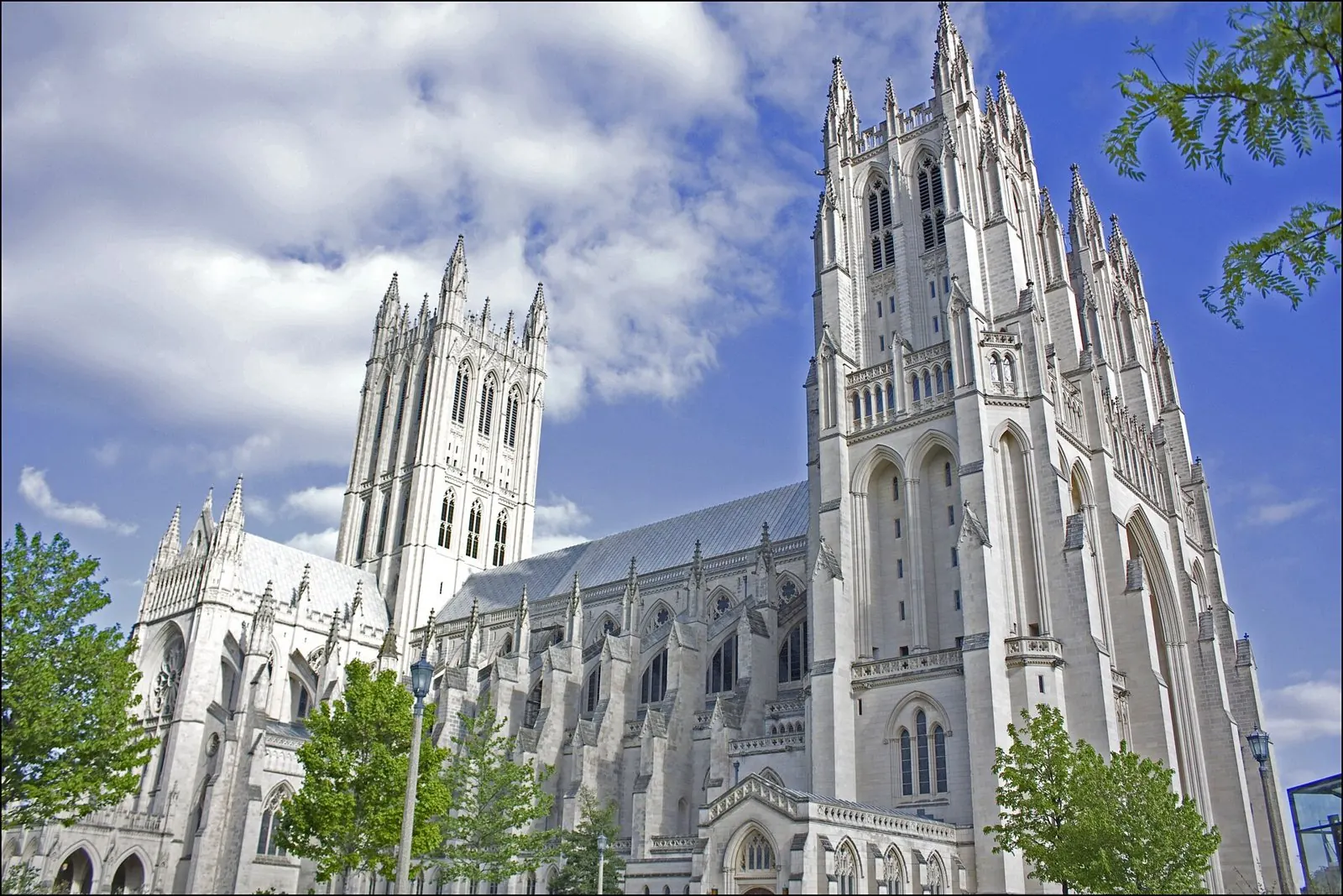
Washington National Cathedral
A Gothic cathedral finished only in 1990, with more than a hundred gargoyles and grotesques, one of them Darth Vader, from a children's design competition.
Darth Vader, high on the northwest tower: bring binoculars.
Nearby
Glenstone
A private museum in the Maryland countryside, free with a timed pass booked ahead: Thomas Phifer's pavilions and Richard Serra in the fields, about 30 minutes by car.
If you have one day
National Gallery West Building at opening → the tunnel to the East Building → the Hirshhorn garden → lunch → the Kogod Courtyard → the Phillips before closing.