Museum · Yongsan
National Museum of Korea
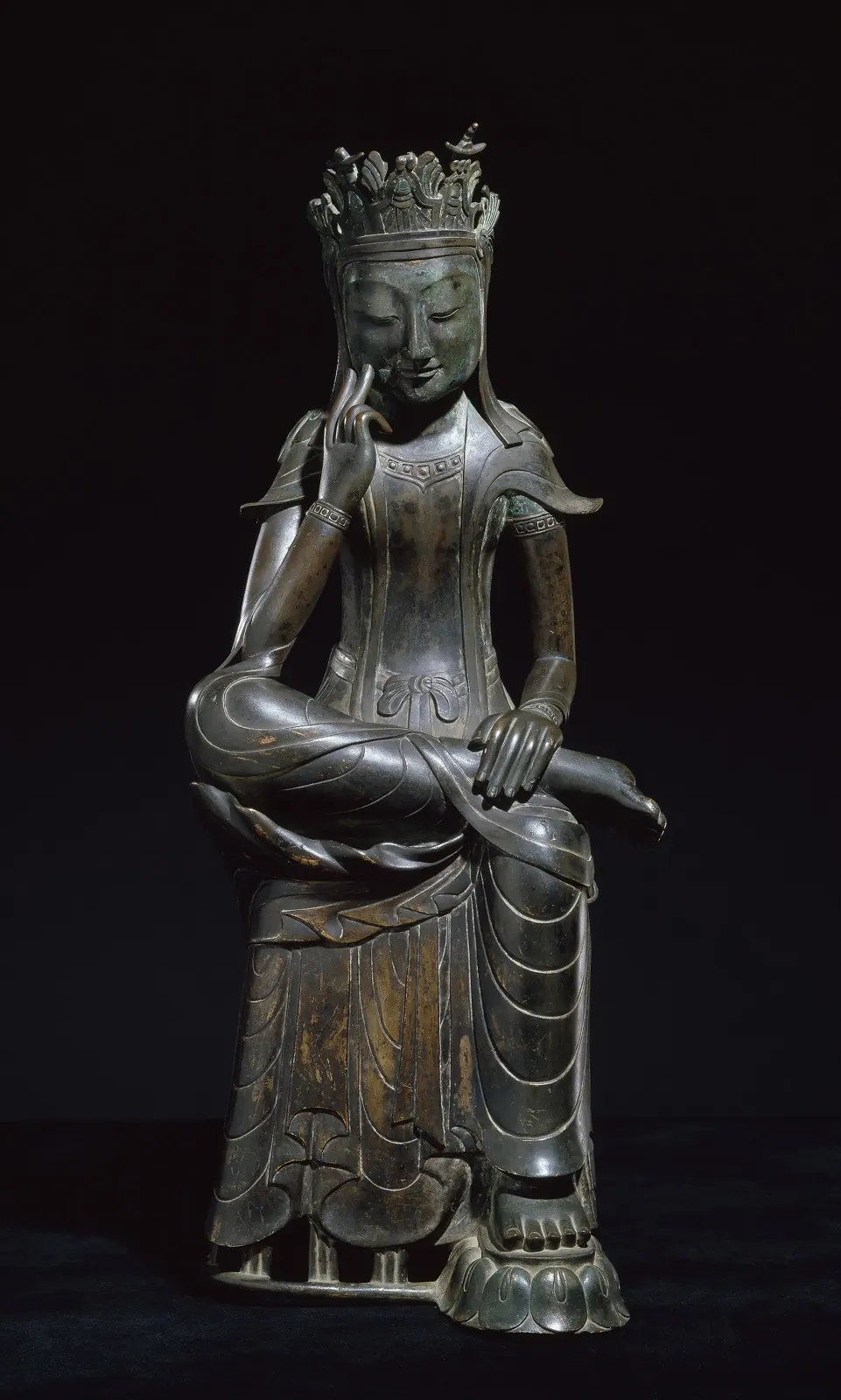
Korea's national collection, with the Room of Quiet Contemplation: two pensive bodhisattvas of the 6th–7th century, alone in a dark room.
Look for: The two bodhisattvas.
Free
A city that became one of the art world's capitals in a decade, and still has quiet rooms for a single object.
Korea's national collection, with the Room of Quiet Contemplation: two pensive bodhisattvas of the 6th–7th century, alone in a dark room.
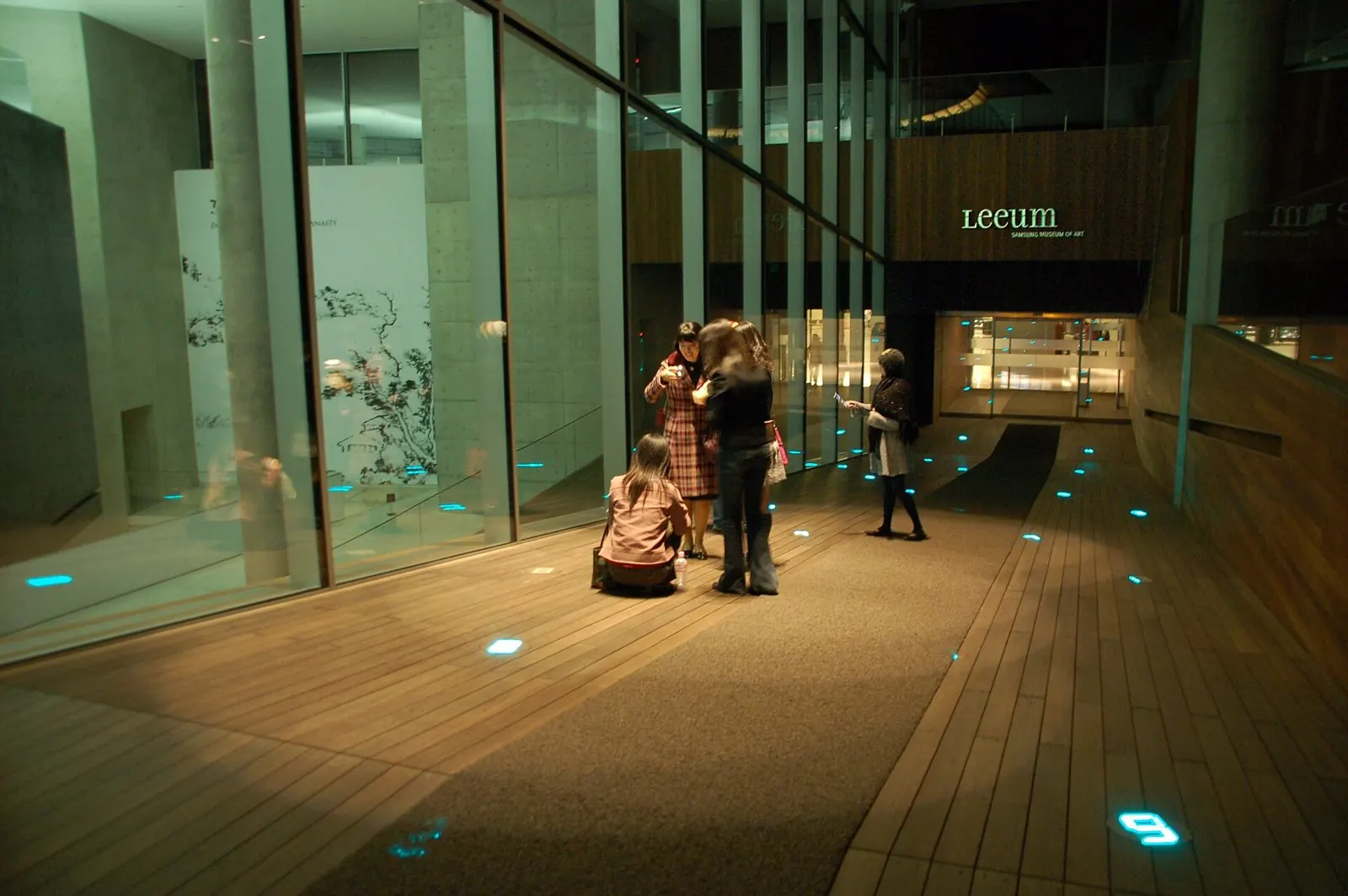
Samsung's museum of art, in buildings by Mario Botta, Jean Nouvel and Rem Koolhaas: Korean ceramics and contemporary art.
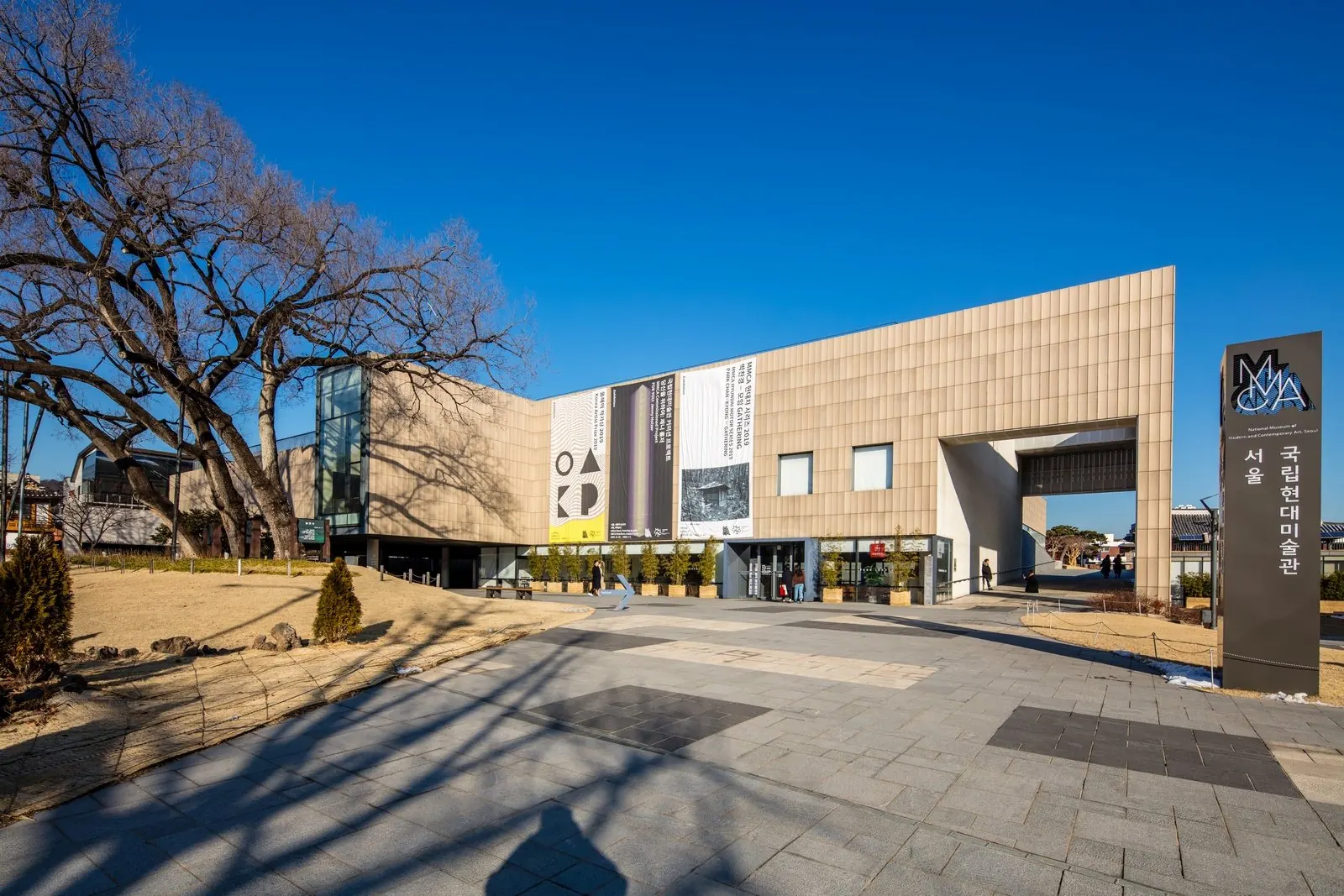
The national museum of contemporary art, opened in 2013 on the site of a Joseon office and a former Defence Security Command, between the palace and Bukchon.
The Amorepacific collection of Korean art and contemporary shows, in the basement of David Chipperfield's white cube headquarters.
One of Seoul's leading galleries, opposite the palace walls, with a third building by SO–IL wrapped in a chain-mail mesh.
Rooms, ruins and curiosities: the city's other museum.
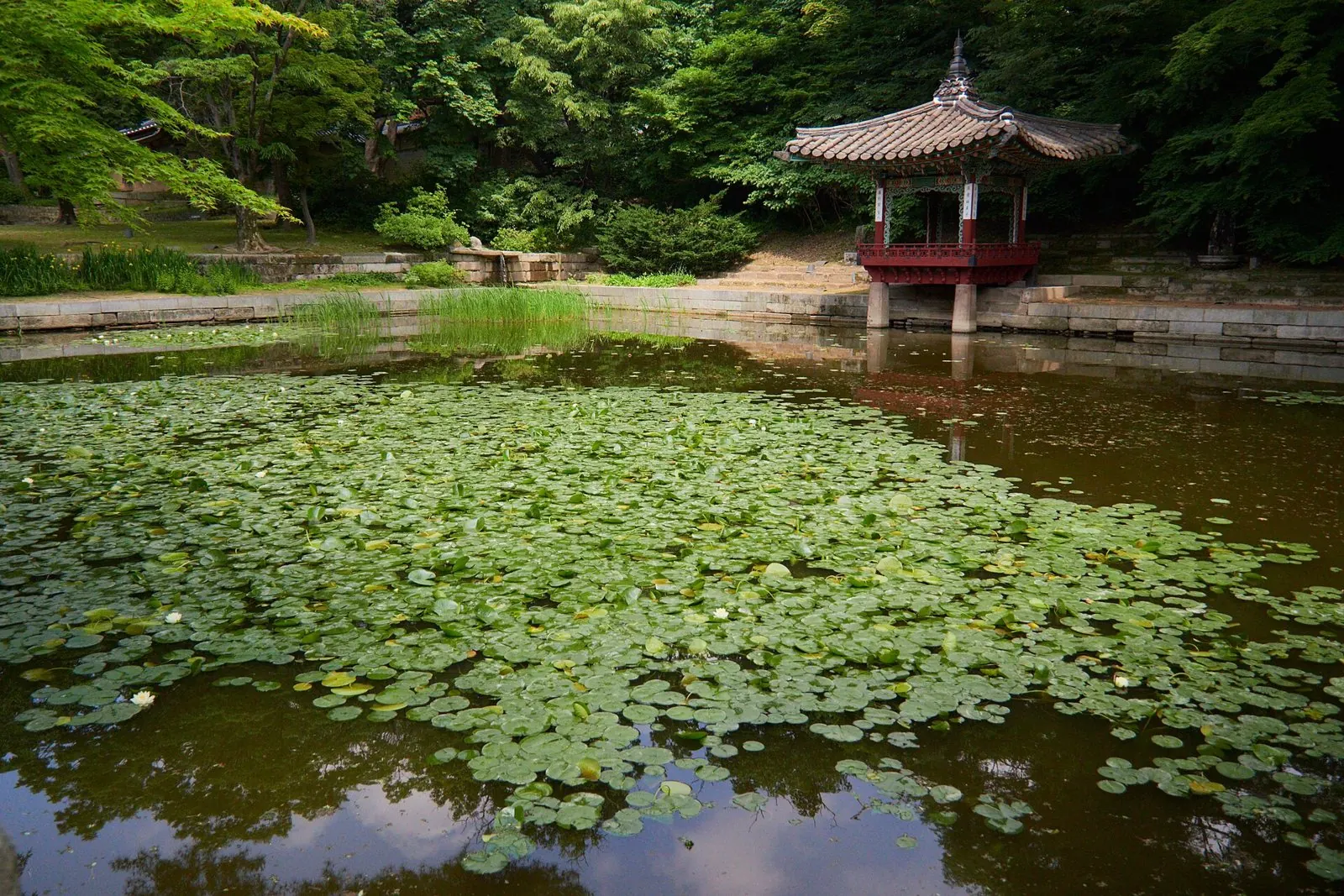
The rear garden of a Joseon palace: pavilions placed on ponds and in the woods, designed so that the buildings disappear into the landscape.
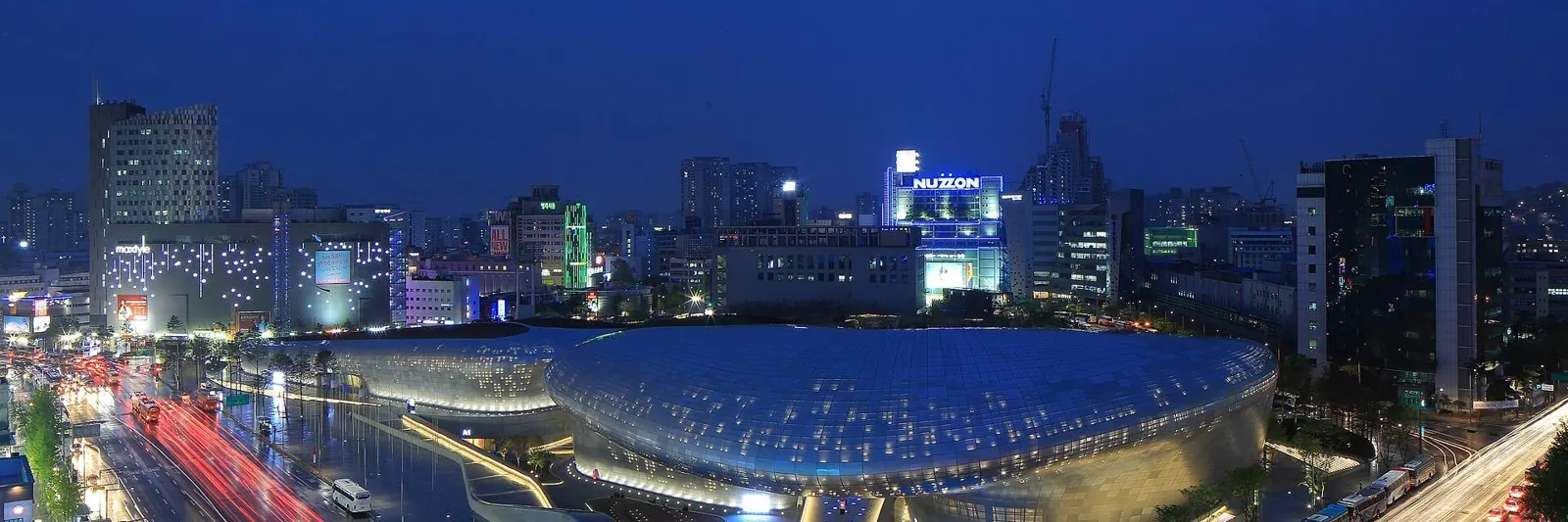
Zaha Hadid's silver landform of 2014 beside the old city walls, with the remains of a Joseon military camp excavated on the site.
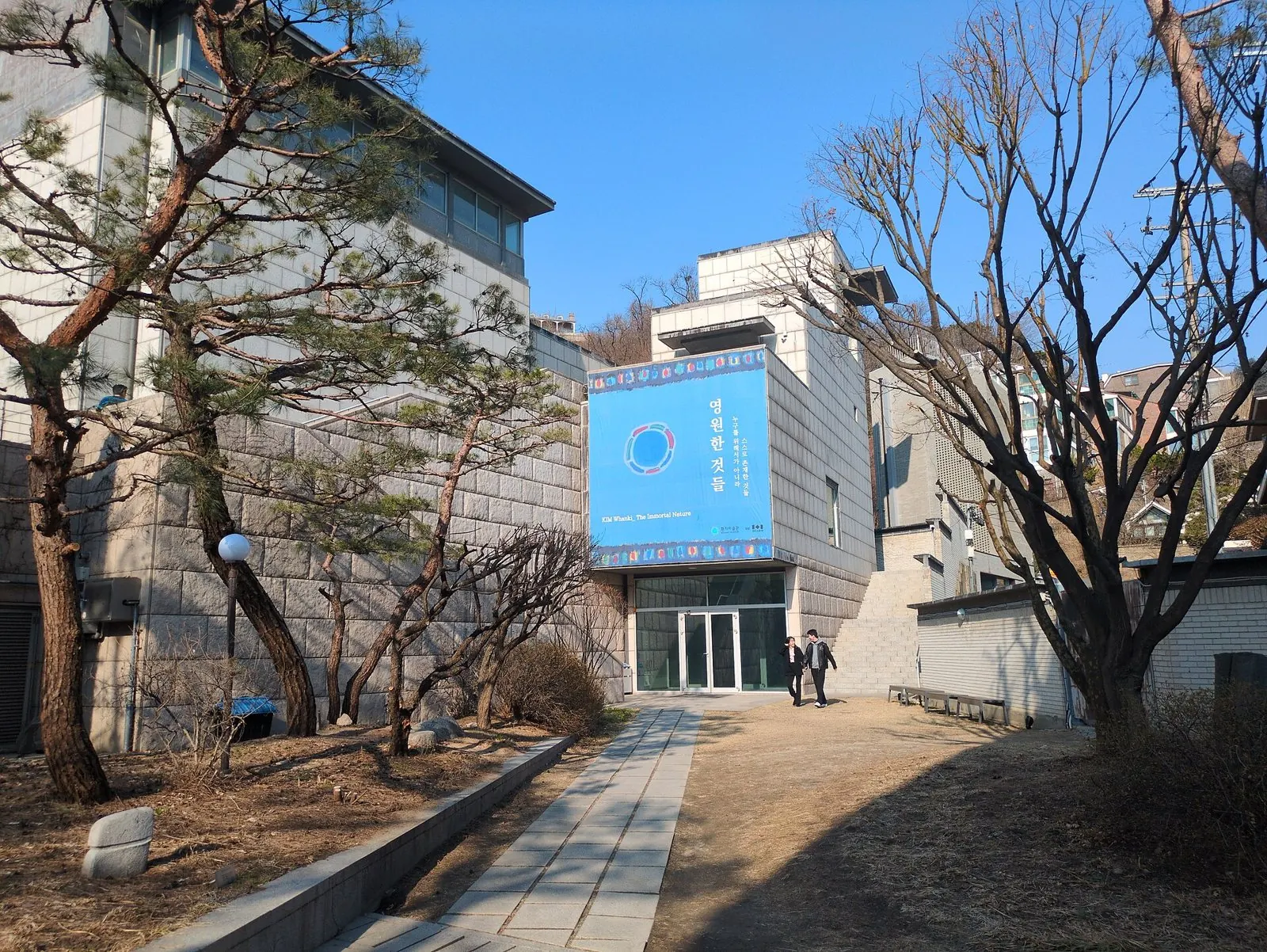
A museum for Kim Whanki, the pioneer of Korean abstraction, at the foot of the mountains behind the palace.
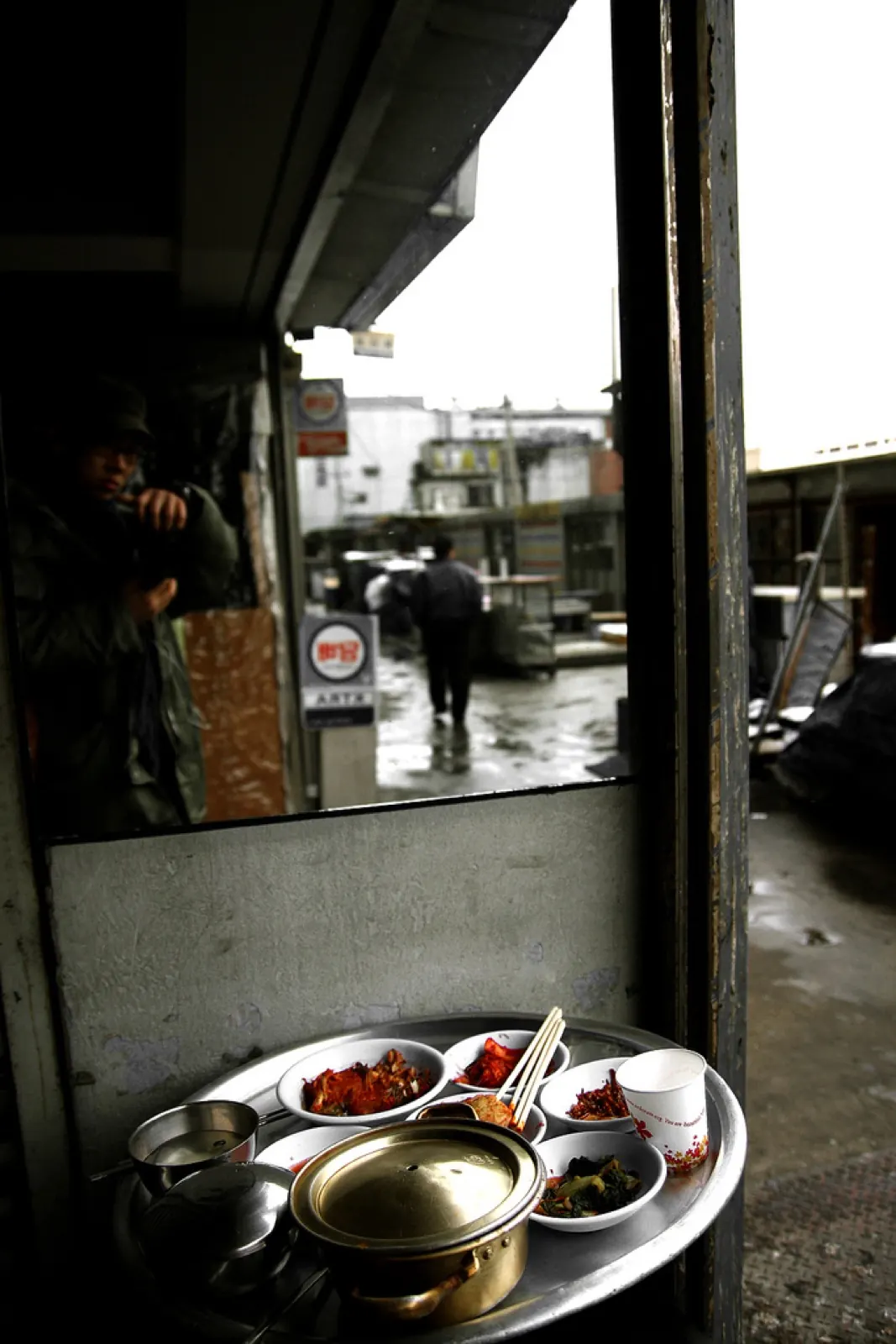
A 1968 megastructure by Kim Swoo-geun: a kilometre of electronics and repair workshops cutting through the old city. Its elevated walkways have been reopened.
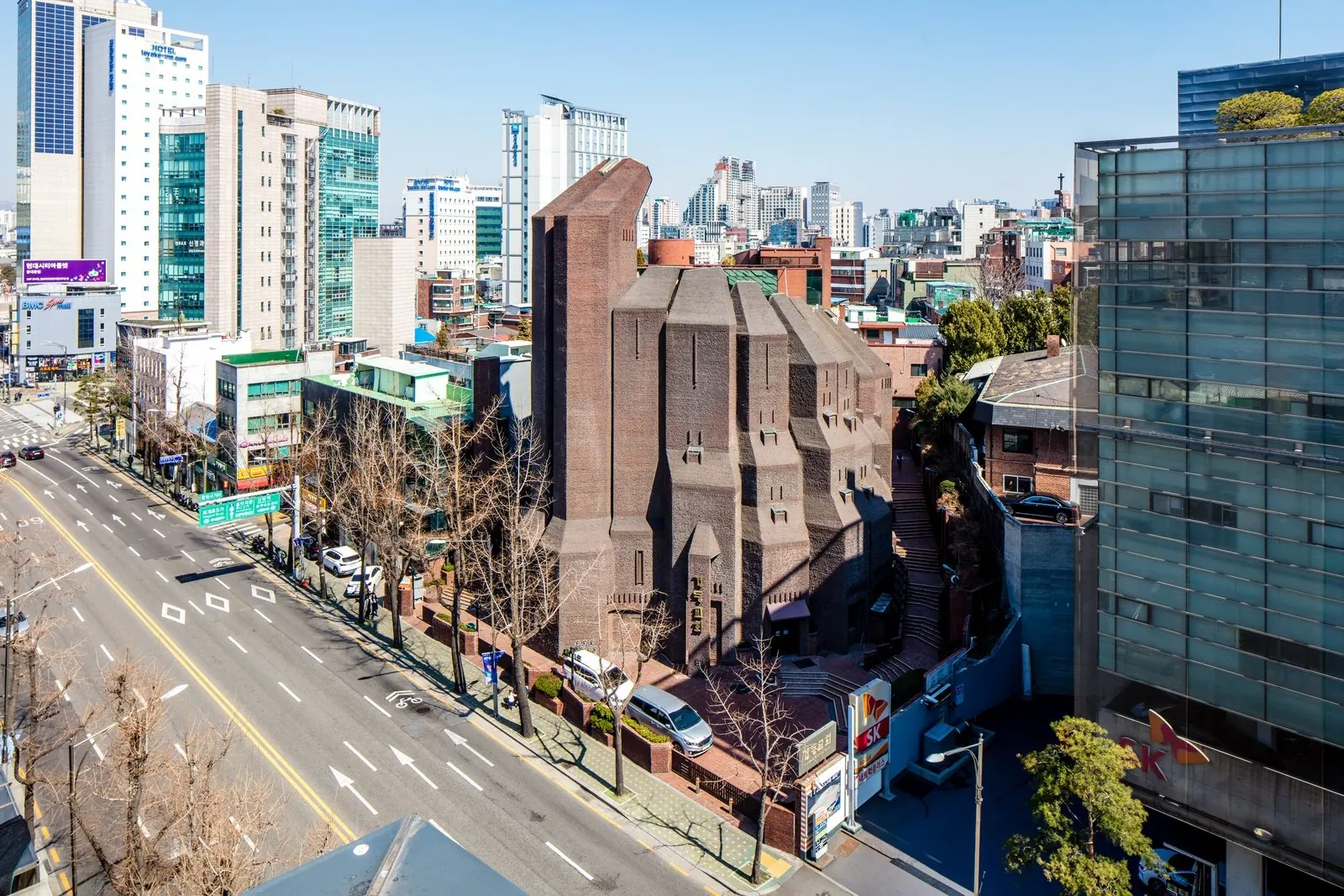
Kim Swoo-geun's church of 1980, clad in broken bricks, with no windows on the street. You enter from the back, up a stair, as on a pilgrimage.
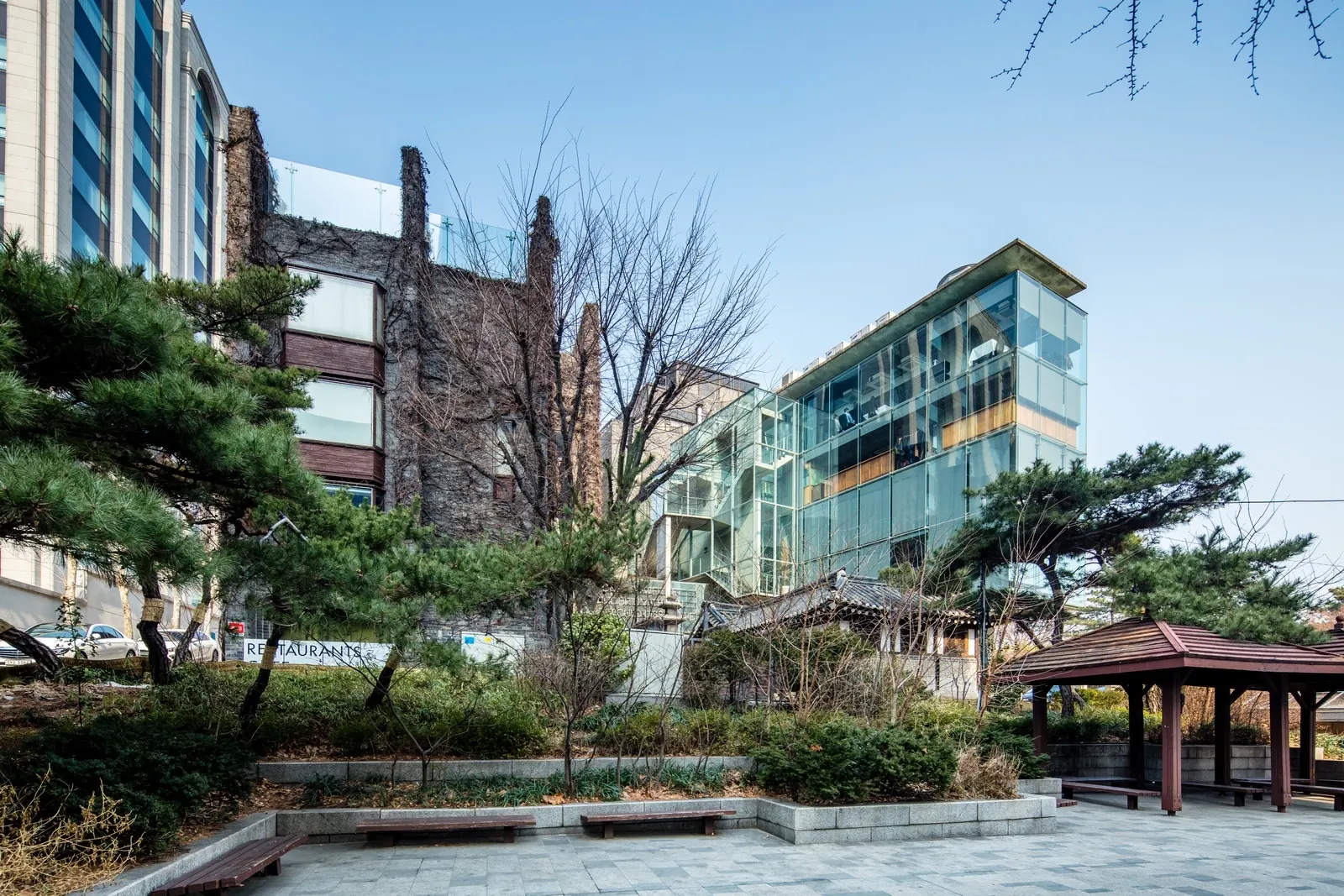
Kim Swoo-geun's black-brick office of the 1970s next to Changdeokgung, covered in ivy and built on many levels. It is often called Korea's finest modern building.
A town of publishers and an artists' village, with Álvaro Siza's Mimesis Art Museum, about an hour away.
Changdeokgung and the Secret Garden in the morning → MMCA Seoul → Kukje Gallery → lunch in Samcheong → Leeum → the National Museum of Korea before closing.