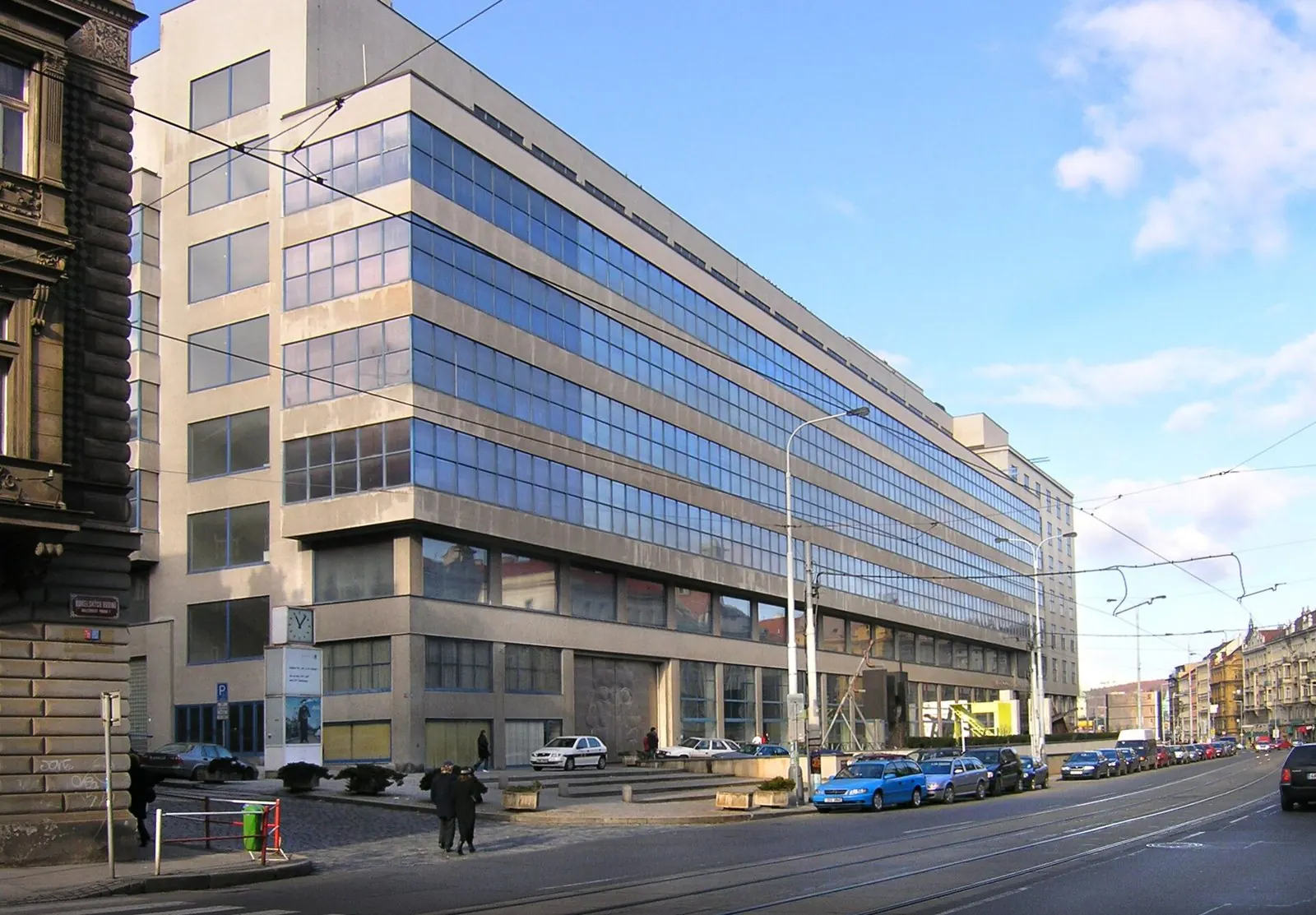
Museum · Holešovice
National Gallery: Trade Fair Palace
A functionalist exhibition palace of 1928 holding Czech and European modern art: Kupka, Klimt, Schiele, Picasso.
Look for: František Kupka's early abstractions.
Closed Mondays
A city that survived the 20th century almost intact, so that Gothic, Baroque, Art Nouveau and the only Cubist architecture in the world sit side by side.
A functionalist exhibition palace of 1928 holding Czech and European modern art: Kupka, Klimt, Schiele, Picasso.
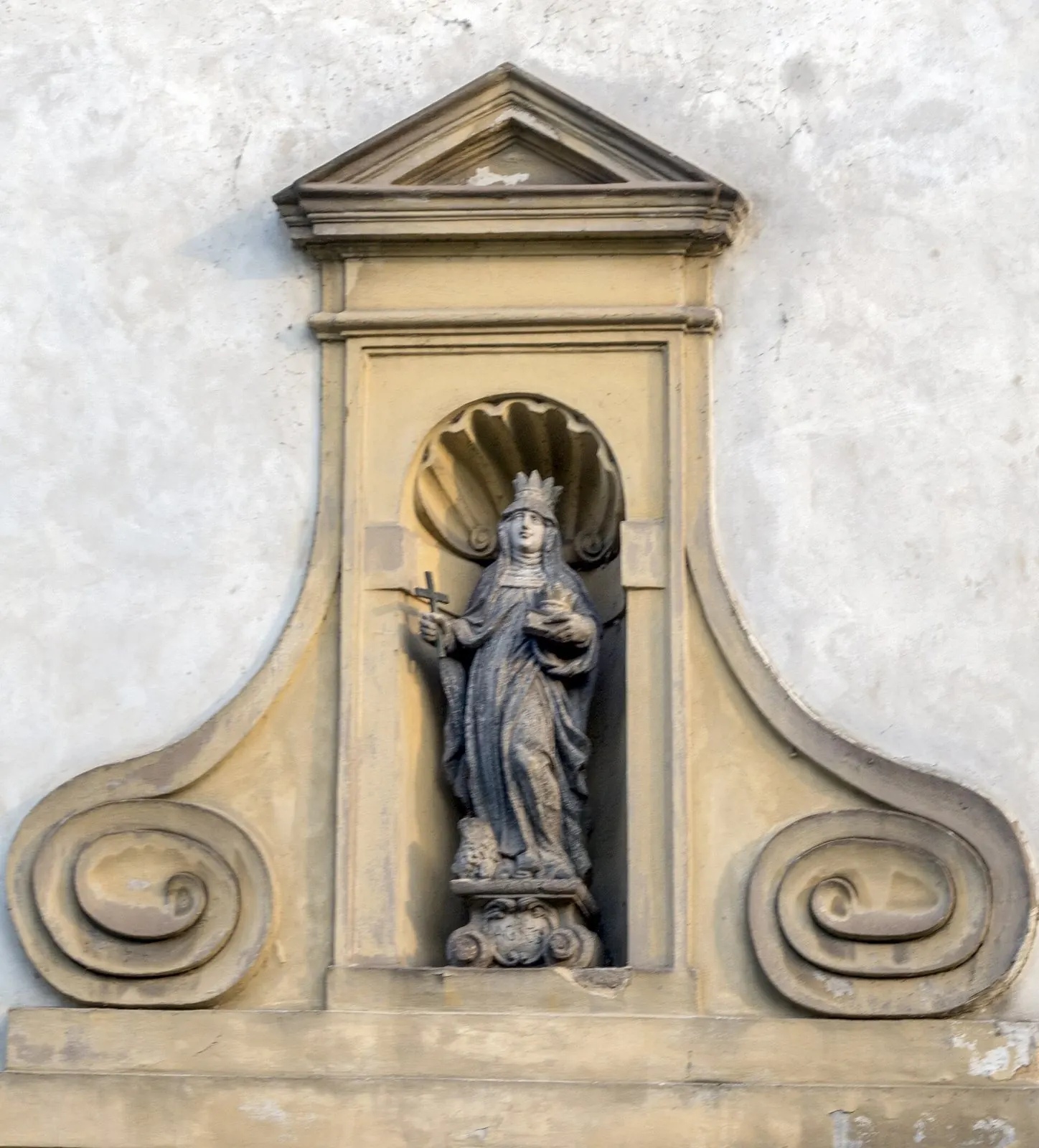
Medieval art of Bohemia and Central Europe in a 13th-century convent, founded by a princess who became a saint.
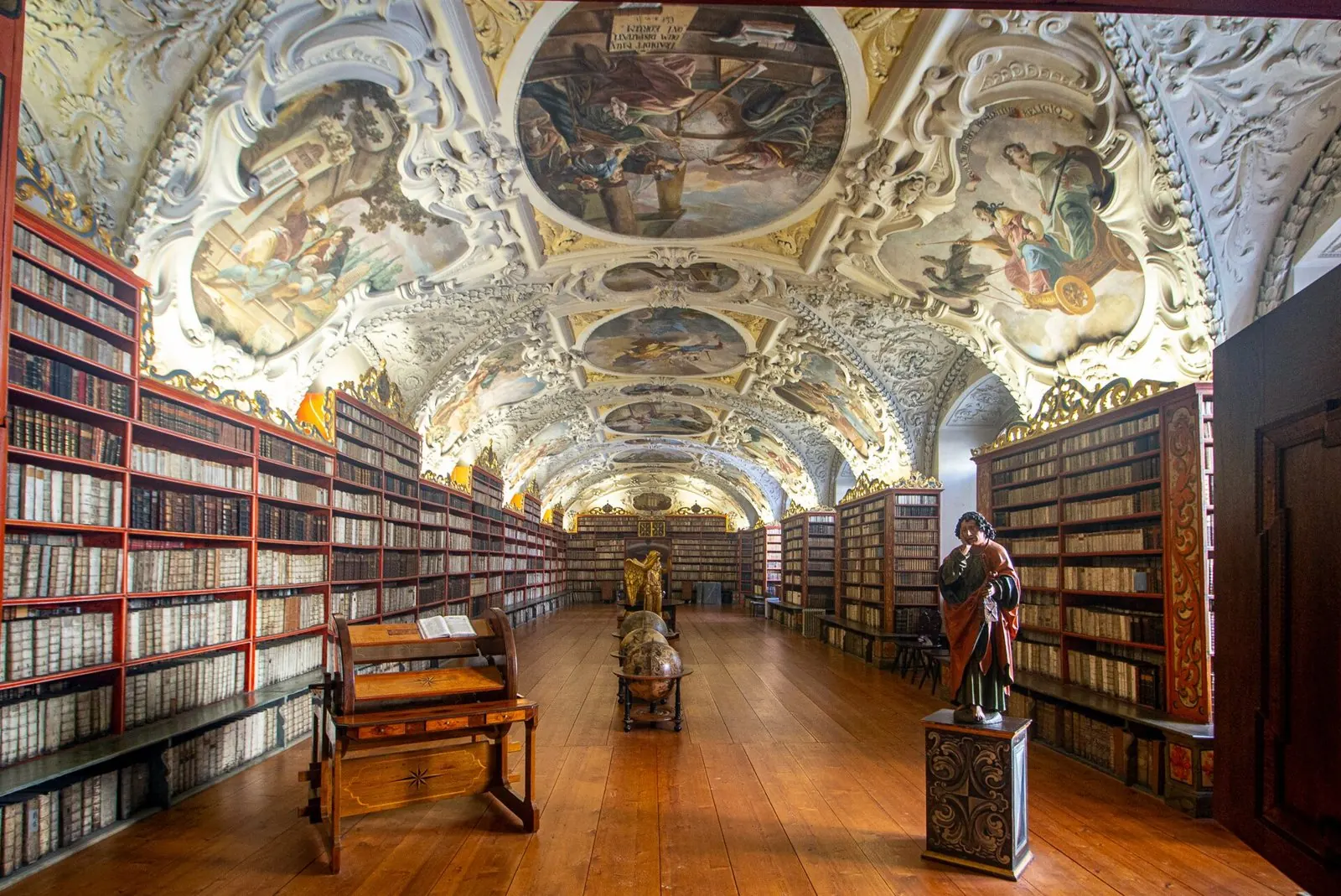
Two Baroque library halls, Theological and Philosophical, with painted ceilings and walnut shelves. You see them from the doorway.
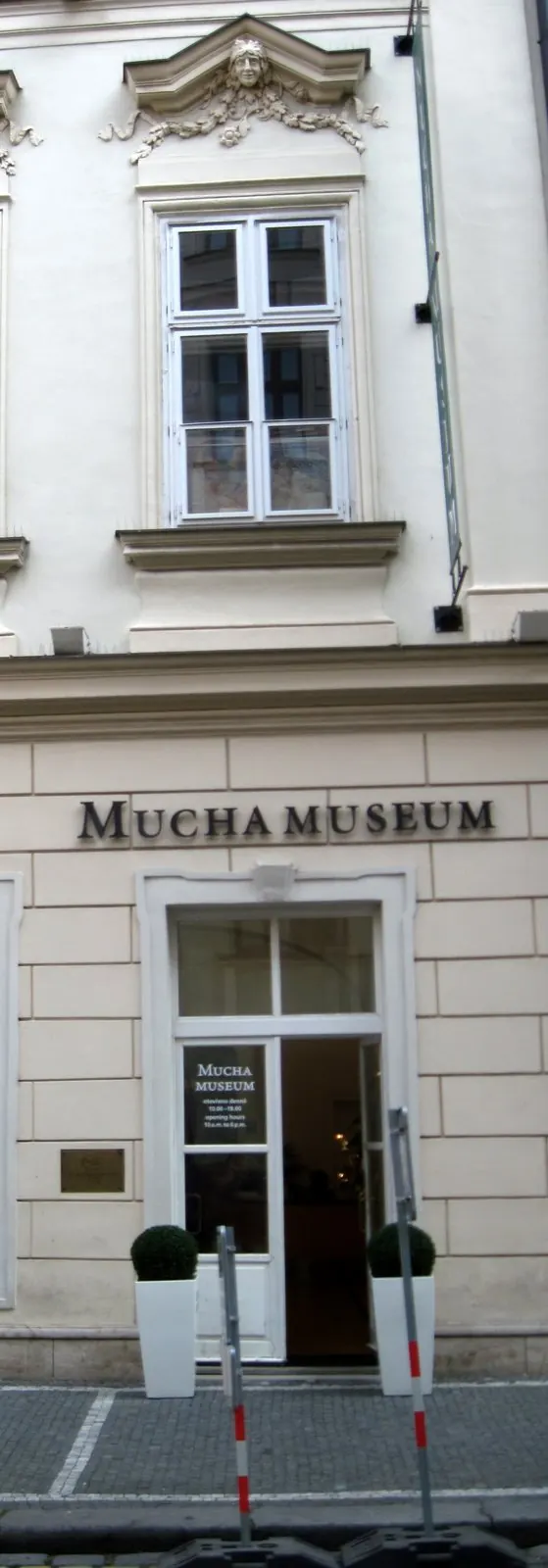
Alphonse Mucha's posters and paintings, from the Sarah Bernhardt posters that made him famous in Paris to the patriotic work of his return home.
Rooms, ruins and curiosities: the city's other museum.
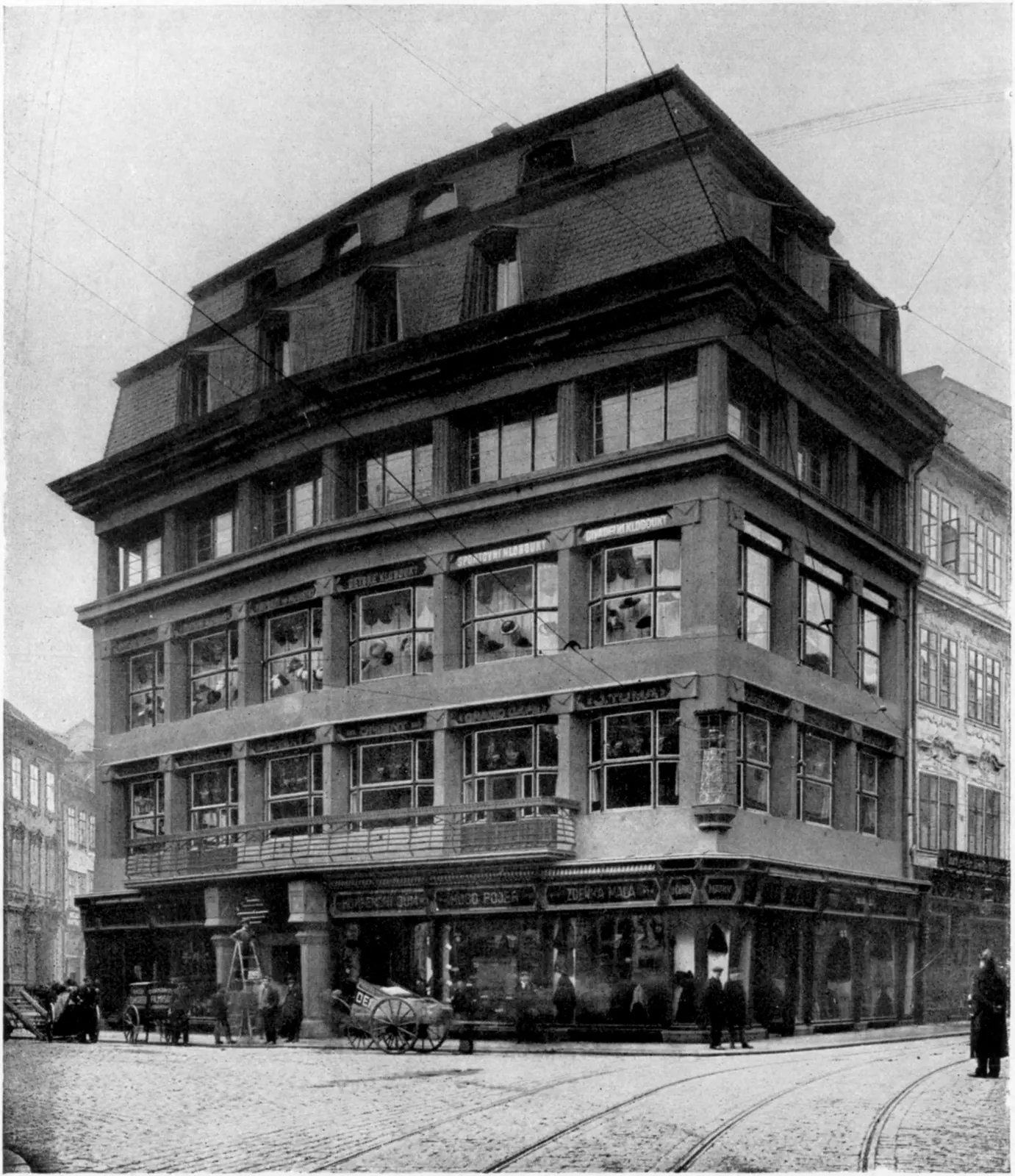
Josef Gočár's department store of 1912, the first Cubist building in Prague. The Grand Café Orient on the first floor has been rebuilt as it was, down to the coat hooks.
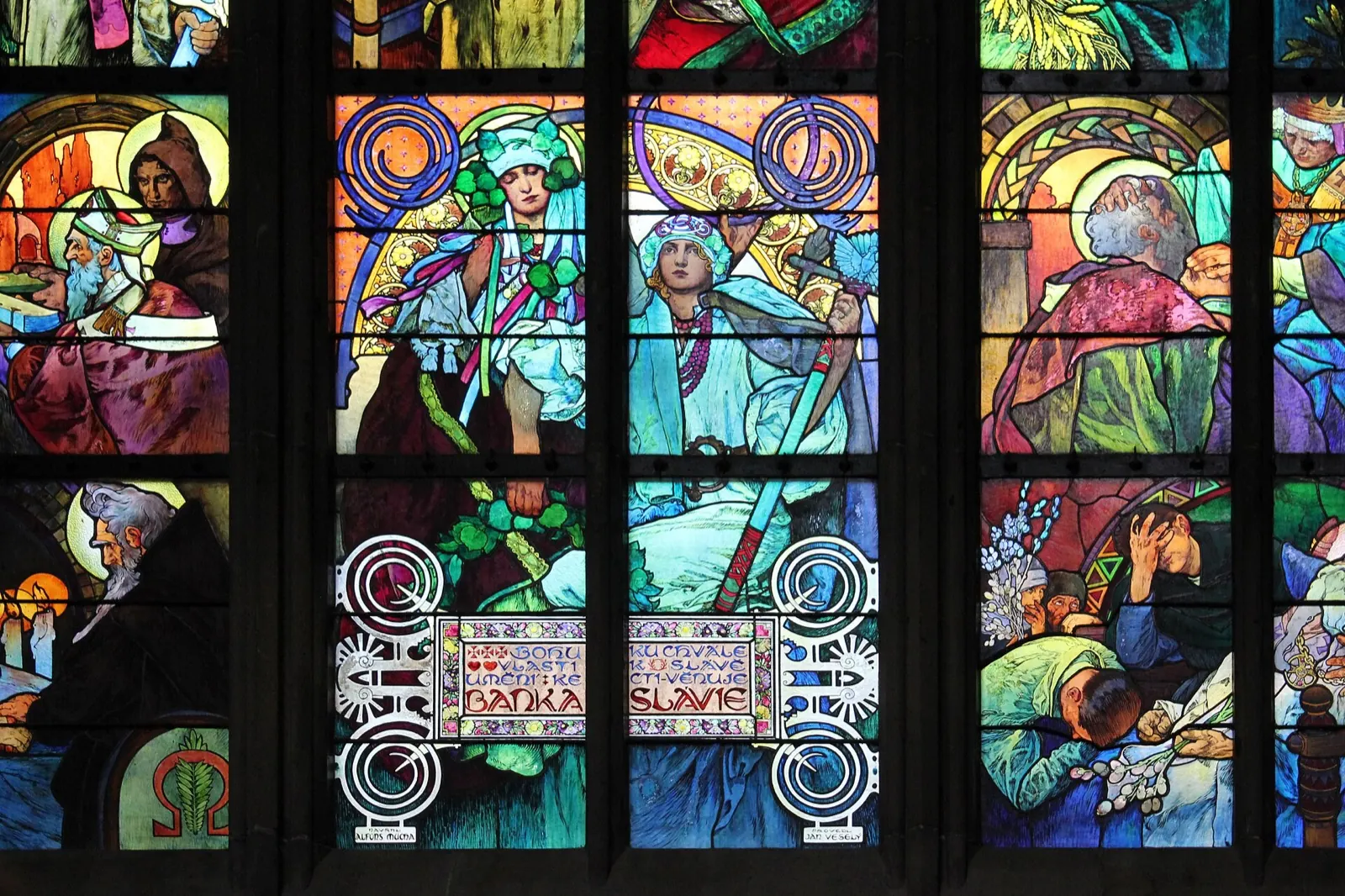
Alphonse Mucha's stained-glass window of Saints Cyril and Methodius (1931).
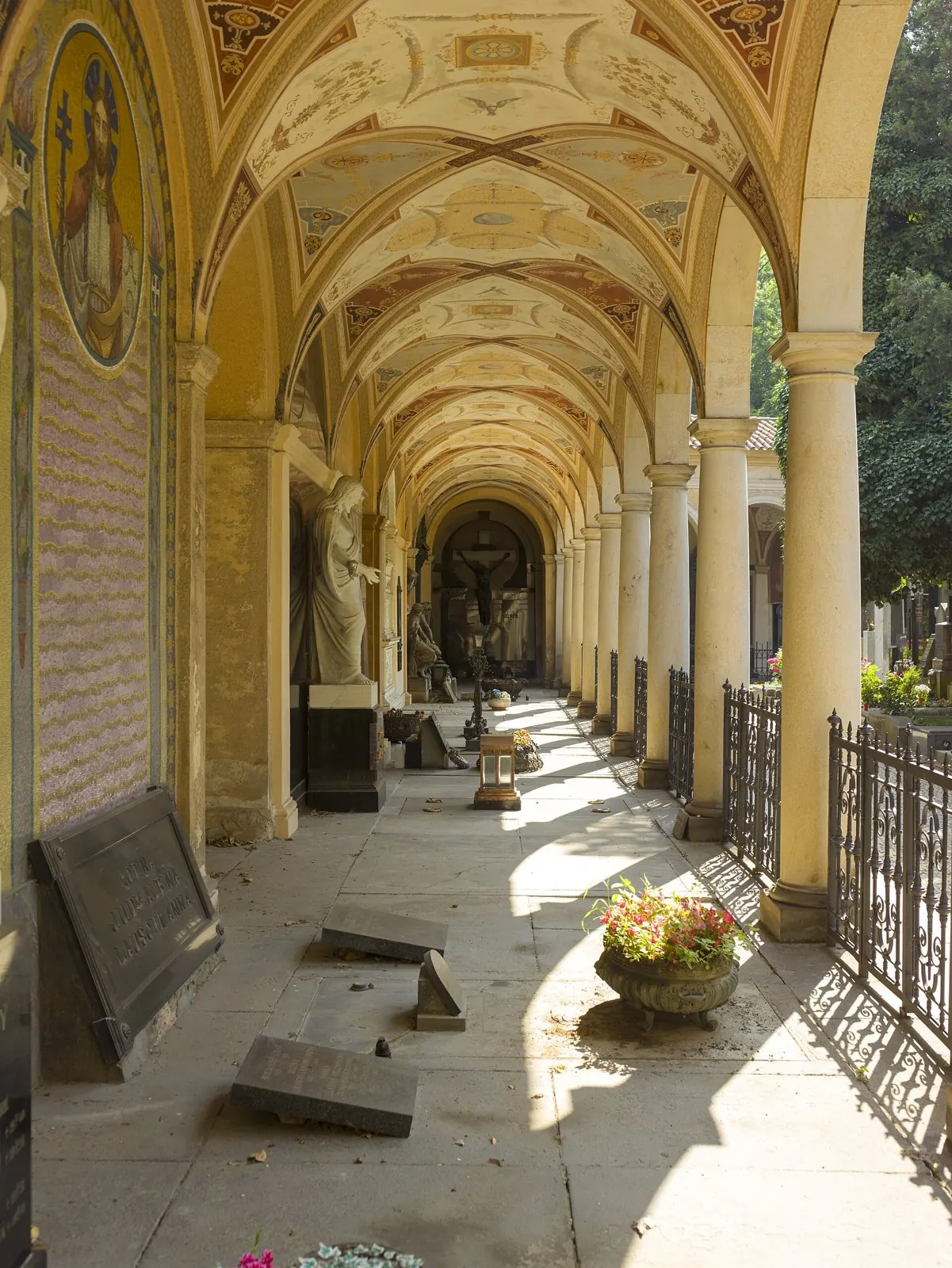
The national cemetery on the rock above the Vltava: Dvořák, Smetana, Mucha, and some of the finest Art Nouveau tombs in Europe.
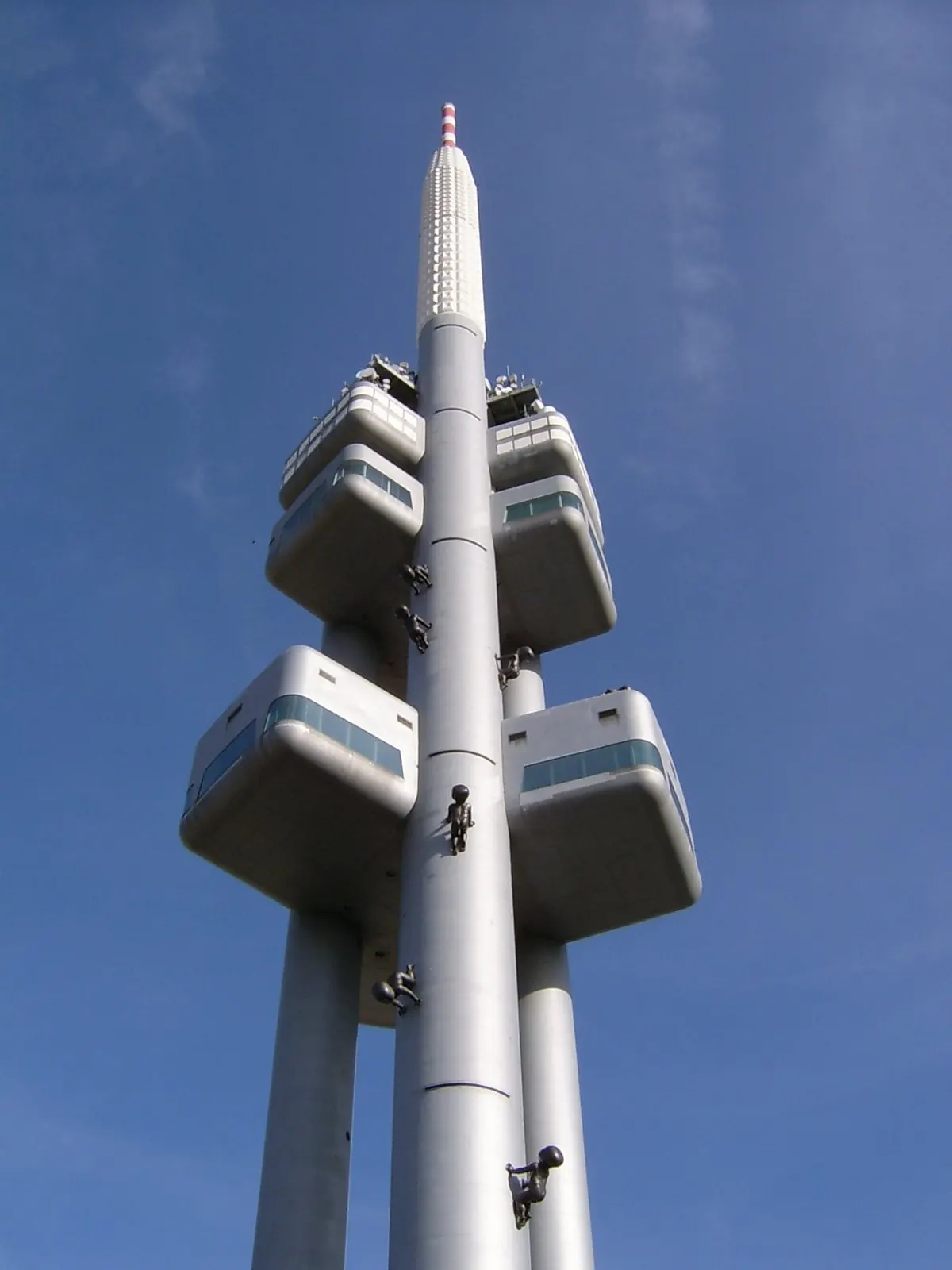
A 216-metre space-age tower of 1992. In 2000 David Černý added giant faceless babies crawling up its sides.
An Art Nouveau arcade built by Václav Havel's grandfather. David Černý's Saint Wenceslas rides an upside-down dead horse under the dome.
A 1975 department store made of hexagons, by Věra and Vladimír Machonin. It is one of the last great socialist modernist shops, now protected.
The Sedlec Ossuary, decorated with human bones, an hour by train.
Strahov Library → walk down through the castle to St Vitus → lunch in the Old Town → the House of the Black Madonna → tram to the Trade Fair Palace.