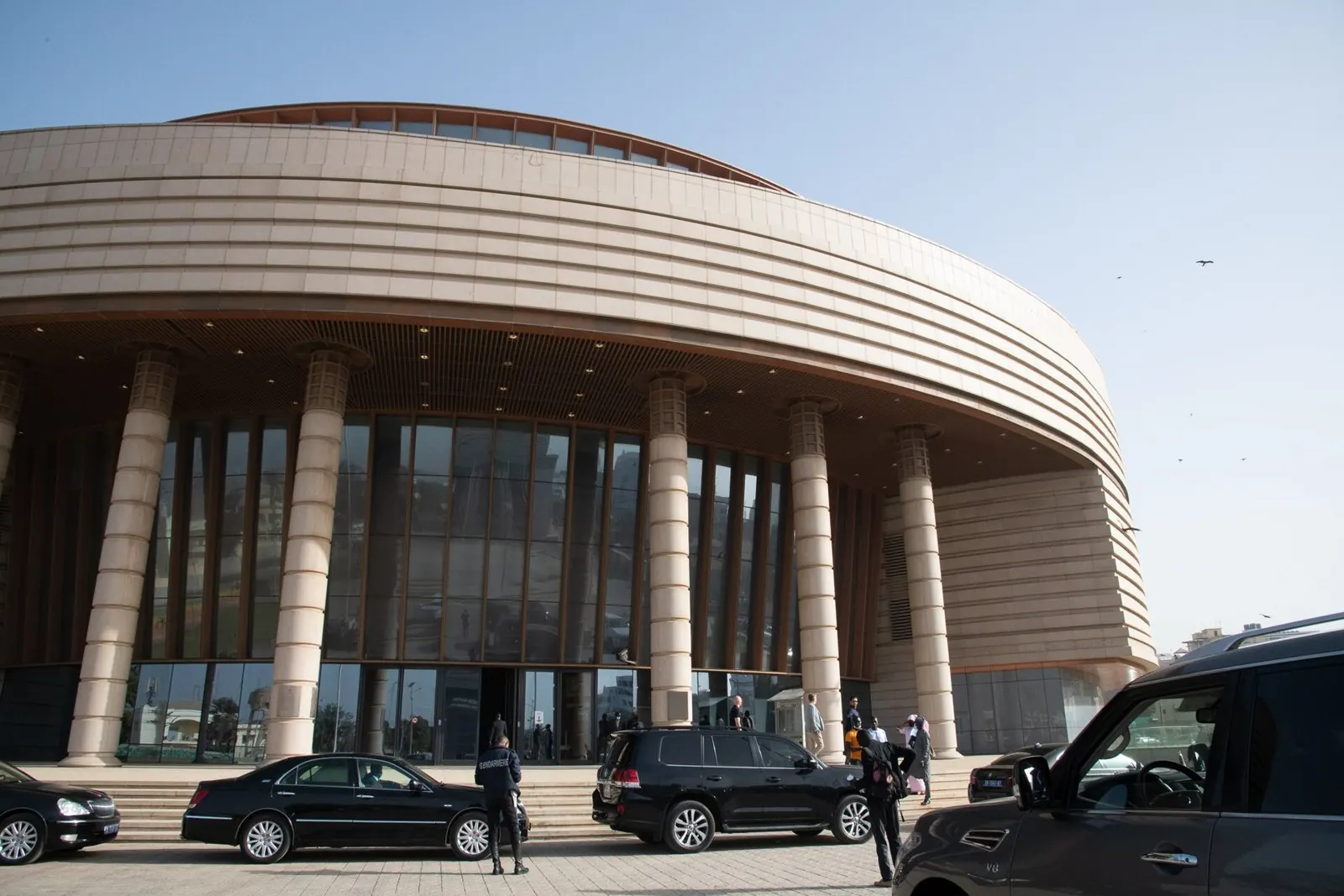
Musée des Civilisations noires, Dakar · Public domain
Museum · Plateau
Musée des Civilisations noires
A round museum inspired by the impluvium houses of Casamance, opened in 2018 to tell the history of Africa and its diasporas from Africa's point of view.
Look for: Edouard Duval-Carrié's giant baobab in the atrium.
Closed Mondays
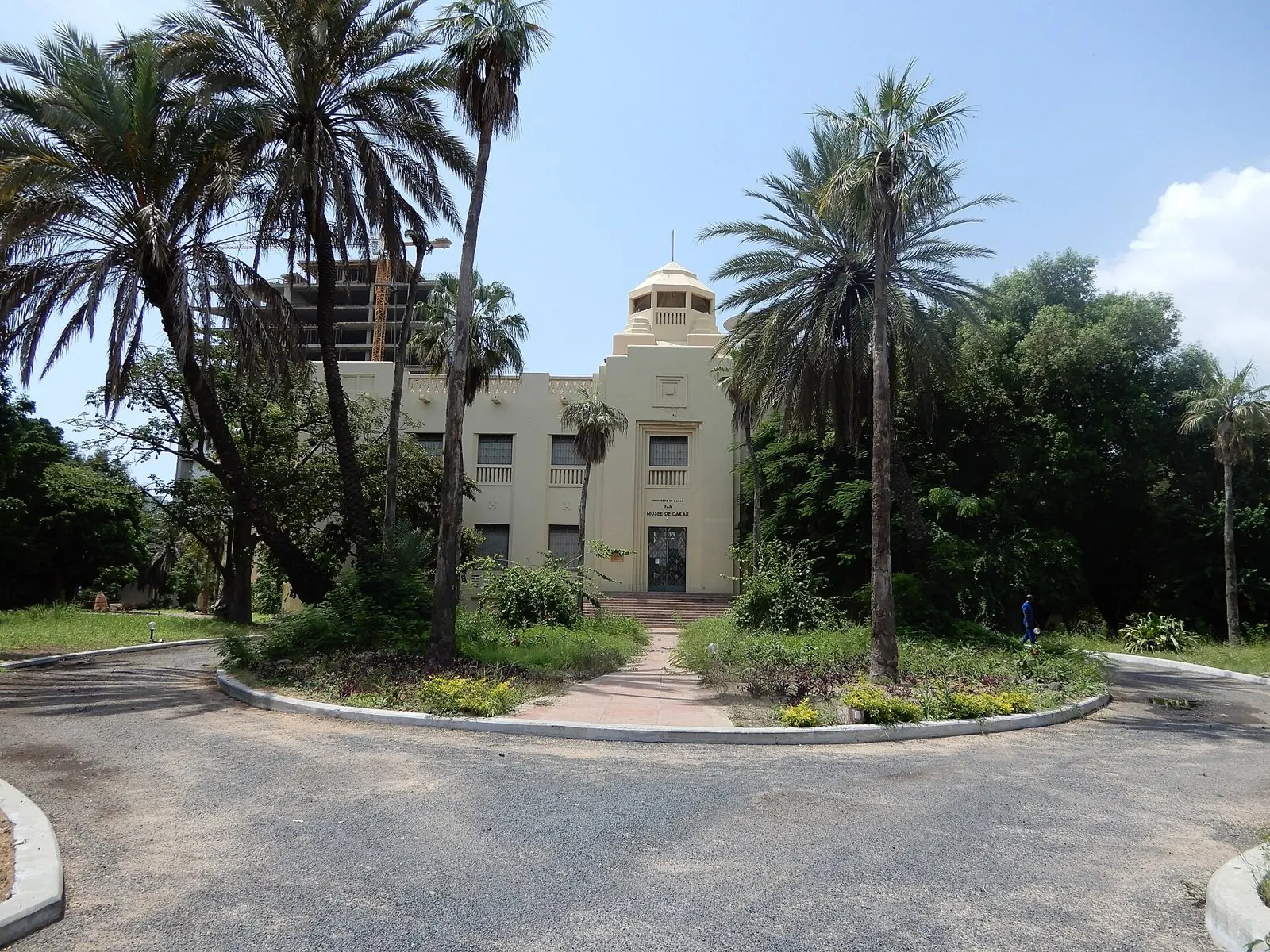
Musée Théodore Monod d'Art africain, Dakar · CC0
Museum · Plateau
Musée Théodore Monod d'Art africain
The IFAN museum, founded in 1936, with masks, textiles and sculpture from across West Africa. It hosted the first World Festival of Negro Arts in 1966.
Look for: The Bassari and Bijago masks.
Check opening days
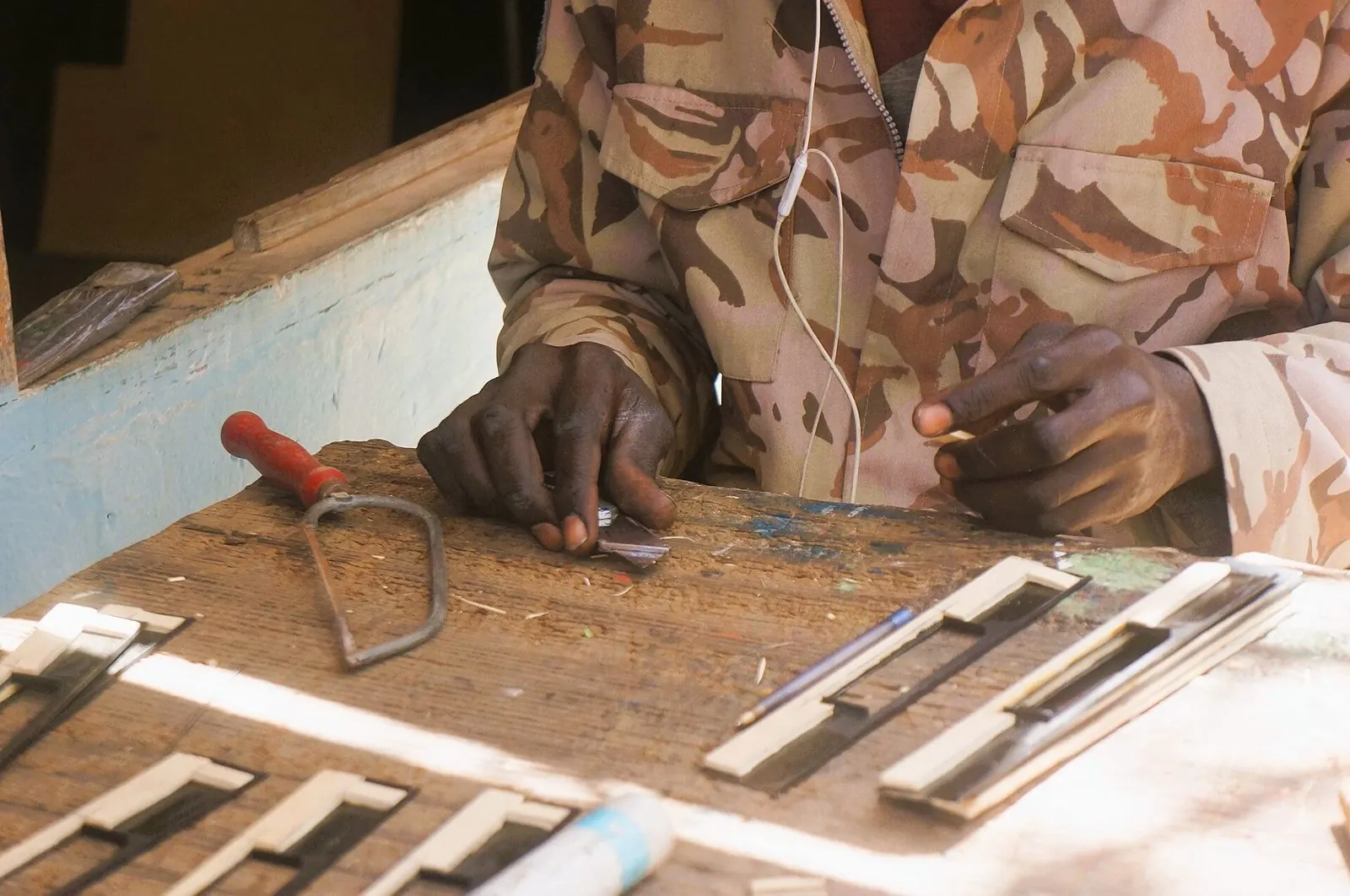
Village des Arts, Dakar · CC BY-SA 4.0
Artist studios · Yoff
Village des Arts
Around fifty studios built for the 2000s generation of Senegalese artists, by the road to the airport. You walk in, knock, and talk.
Look for: Open studio doors on a weekday afternoon.
Free
Art centre · Sicap
RAW Material Company
The independent art centre founded in 2011 by Koyo Kouoh, who conceived the 2026 Venice Biennale before her death in 2025. Exhibitions, a library and a residency.
Look for: The library, open to all.
Free
Off the list
Off-Piste in Dakar
Rooms, ruins and curiosities: the city's other museum.
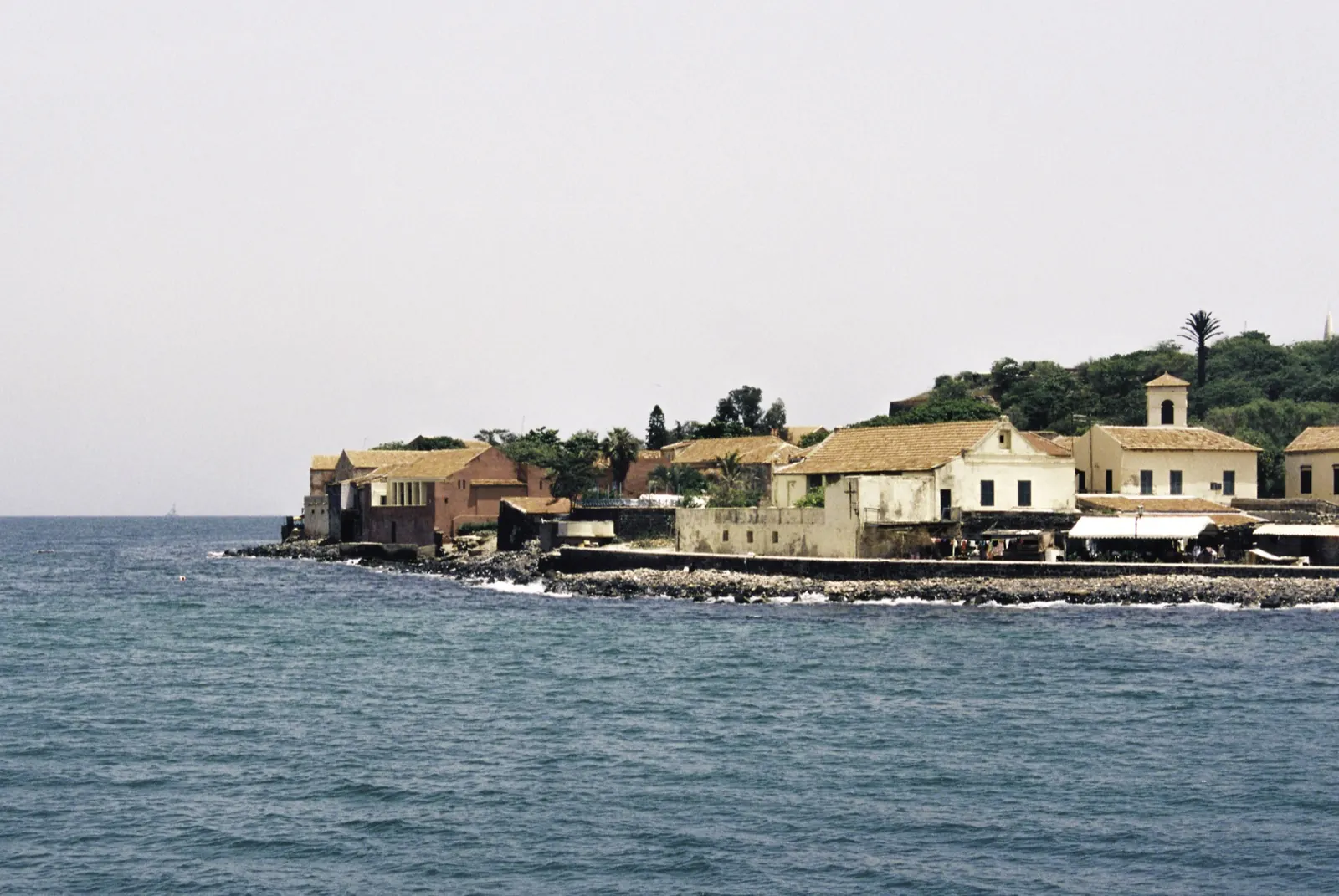
Gorée Island, Dakar · CC BY-SA 4.0
Island · 20 minutes by ferry
Gorée Island
A car-free island of ochre and pink colonial houses, with the Maison des Esclaves, a memorial to the Atlantic slave trade, and artists' studios in the old batteries at the top.
Stay for the last ferry, when the day visitors have gone.
African Renaissance Monument, Dakar · CC0
Monument · Ouakam
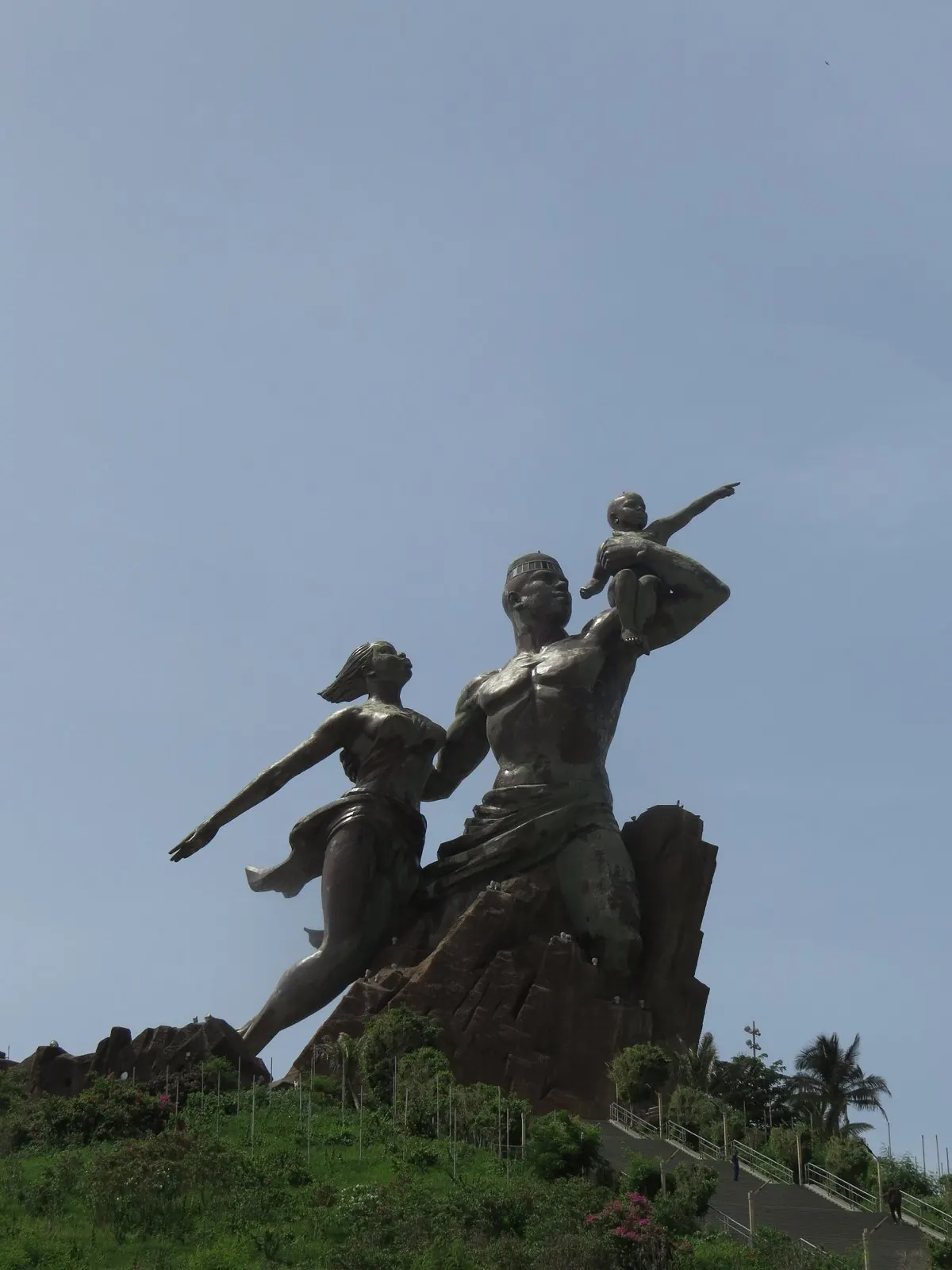
African Renaissance Monument
A 49-metre bronze family on a volcanic hill, built by a North Korean company in 2010. Controversial, enormous, and part of the city's skyline now.
Look from the Corniche rather than climbing it.
Marché Kermel, Dakar · CC BY-SA 4.0
Architecture · Plateau
Marché Kermel
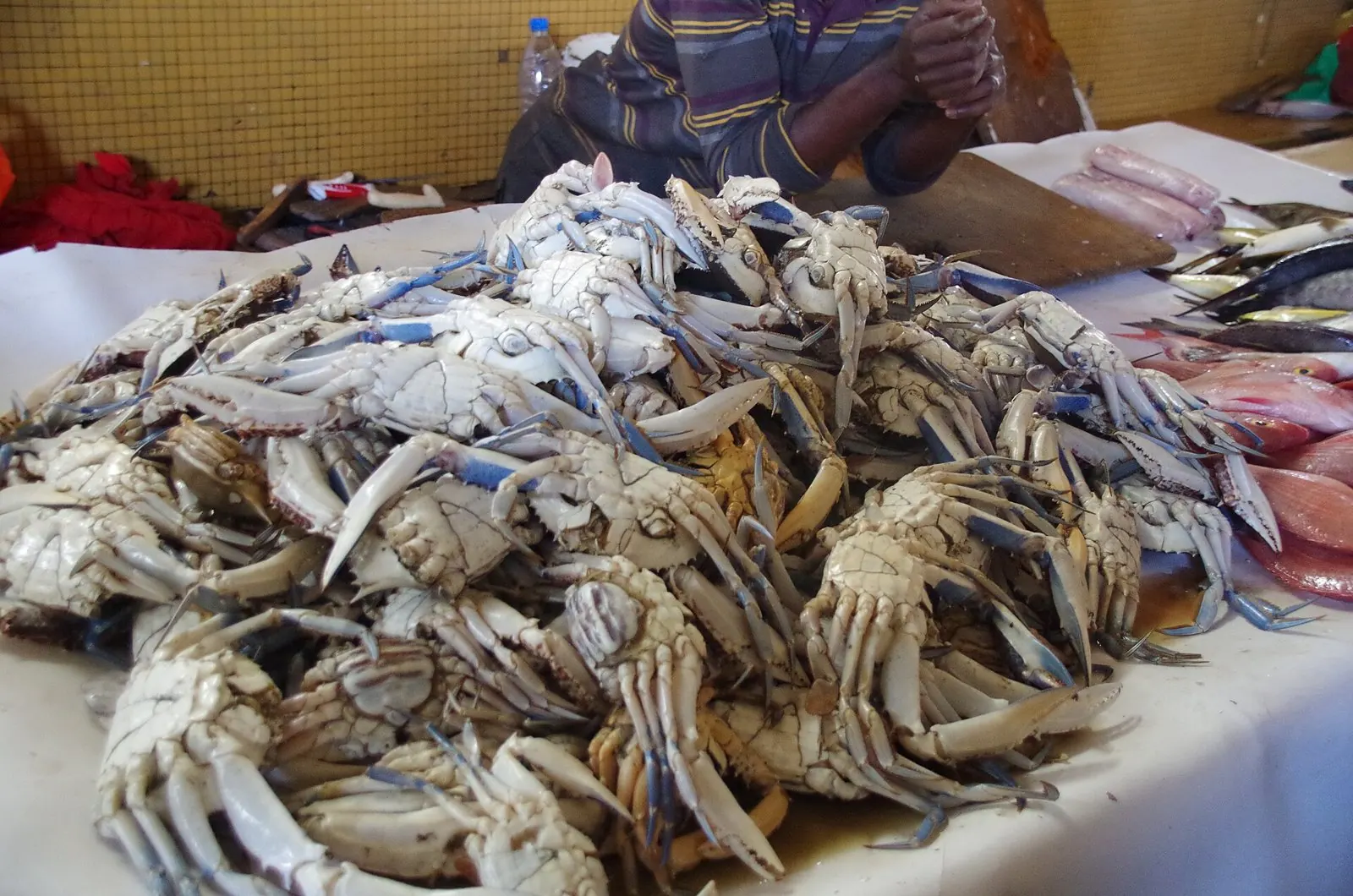
A round iron-and-glass market hall of 1910, destroyed by fire in 1993 and rebuilt exactly as it was. Flowers, fish and fabric under the colonial ironwork.
Morning, for the flower stalls.
Soumbédioune, Dakar · CC BY-SA 4.0
Market · Corniche Ouest
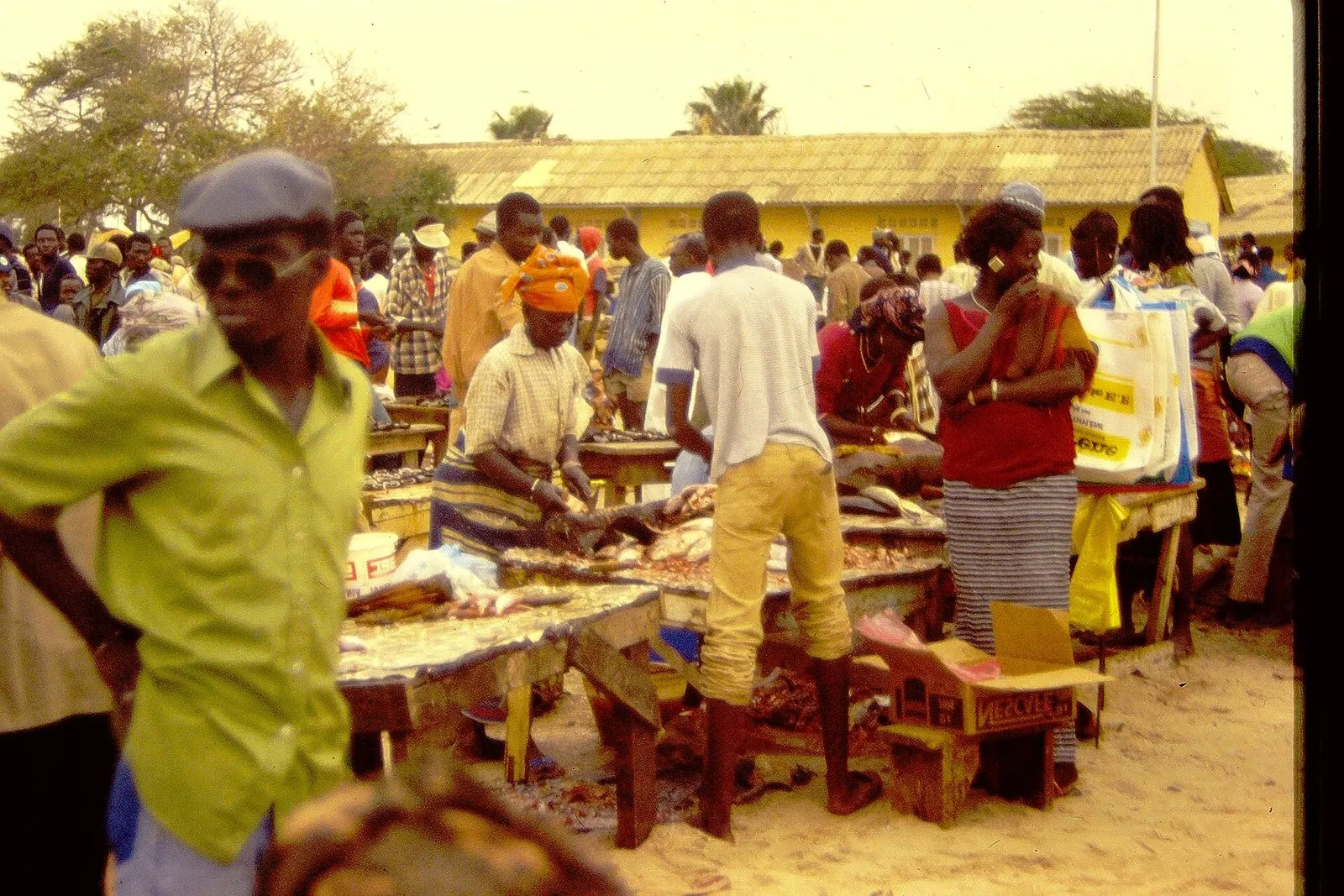
Soumbédioune
At the end of the afternoon, painted wooden pirogues come in on the beach to land the catch, beside the city's craft village.
Be there for the boats around 5pm.
Nearby
Saint-Louis
The old colonial capital, about four hours north.
If you have one day
Musée Théodore Monod at opening → Musée des Civilisations noires → lunch on the Plateau → afternoon ferry to Gorée → back for dinner by the sea at Ngor.