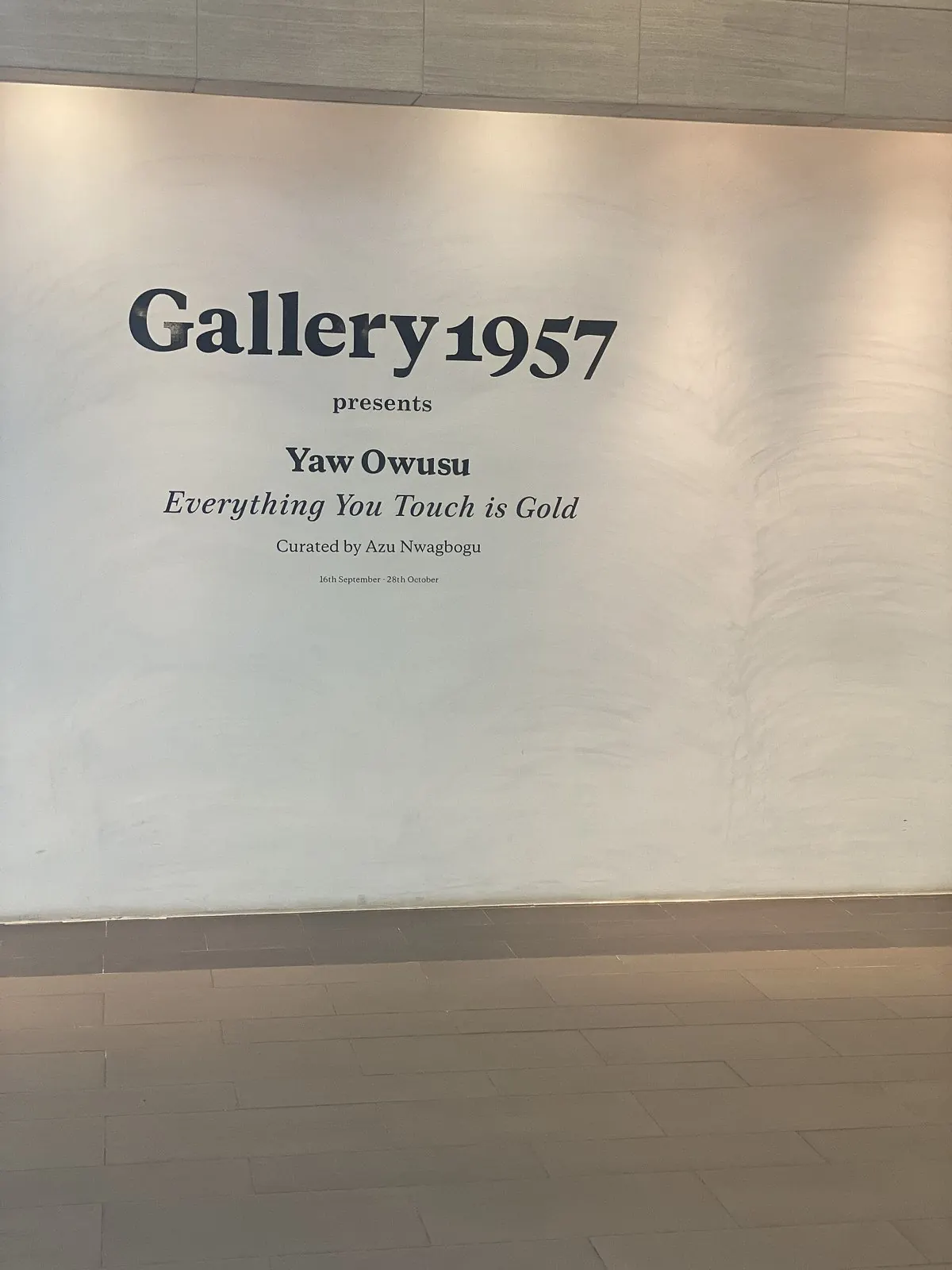
Gallery · Kempinski Hotel, Ridge
Gallery 1957
The gallery that brought Ghanaian contemporary art to international attention, named after the year of independence.
Look for: The shows of younger Ghanaian painters.
Free
A small, fast-growing art scene with its own idea of sculpture: coffins shaped like fish, cars and onions.
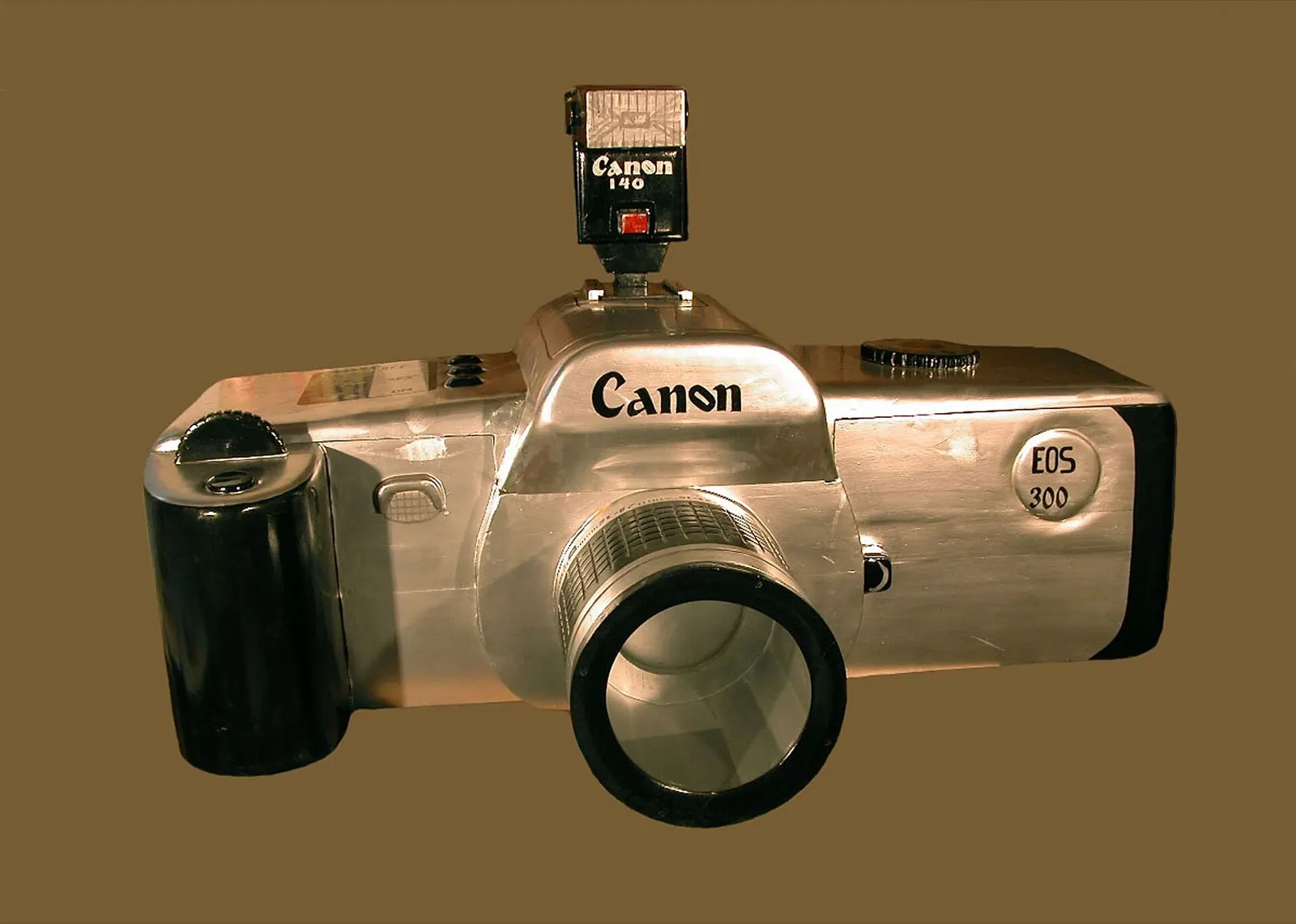
The gallery that brought Ghanaian contemporary art to international attention, named after the year of independence.
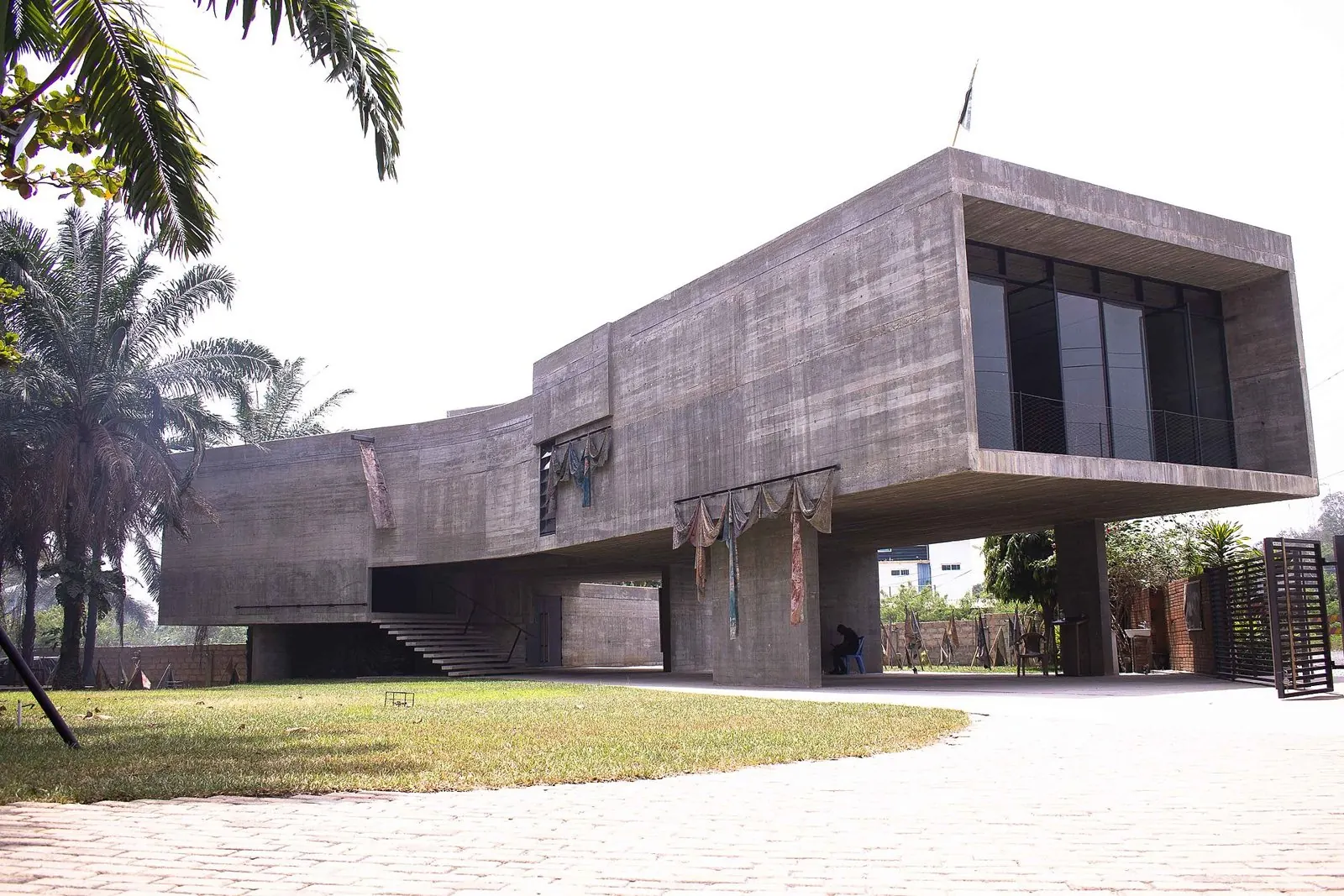
An arts foundation in a garden compound, with exhibitions, an archive of Ghanaian modernism and studios.
Three floors of Ghanaian art and design founded by the sculptor Ablade Glover, facing the sea.
Rooms, ruins and curiosities: the city's other museum.
Ga carpenters, starting with Seth Kane Kwei in the 1950s, carve coffins in the shape of what the dead loved or did: a fish, a Mercedes, a Bible, an onion. The workshops still work.
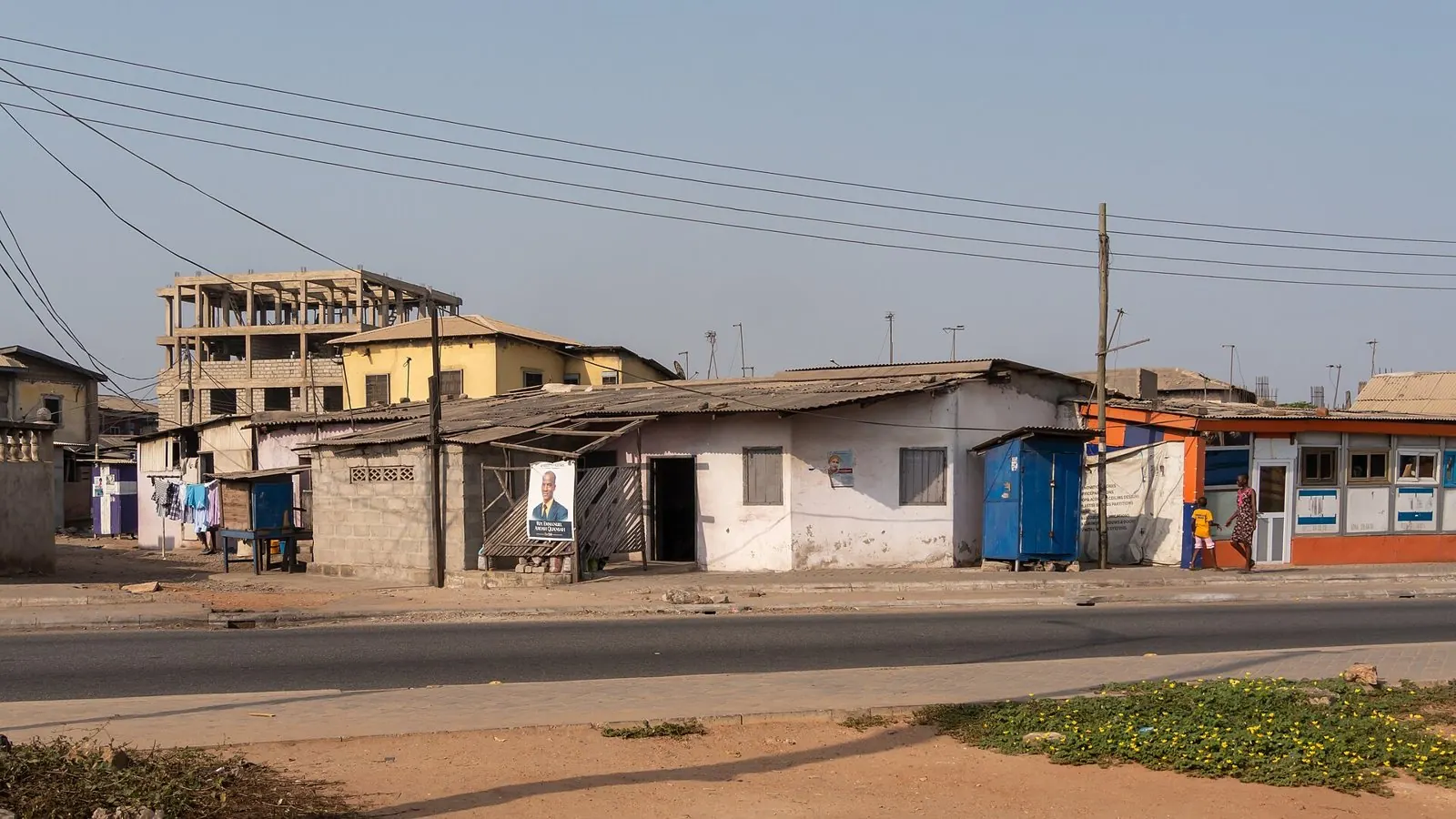
The old fishing quarter around the lighthouse, with colonial forts and murals left by the Chale Wote festival.
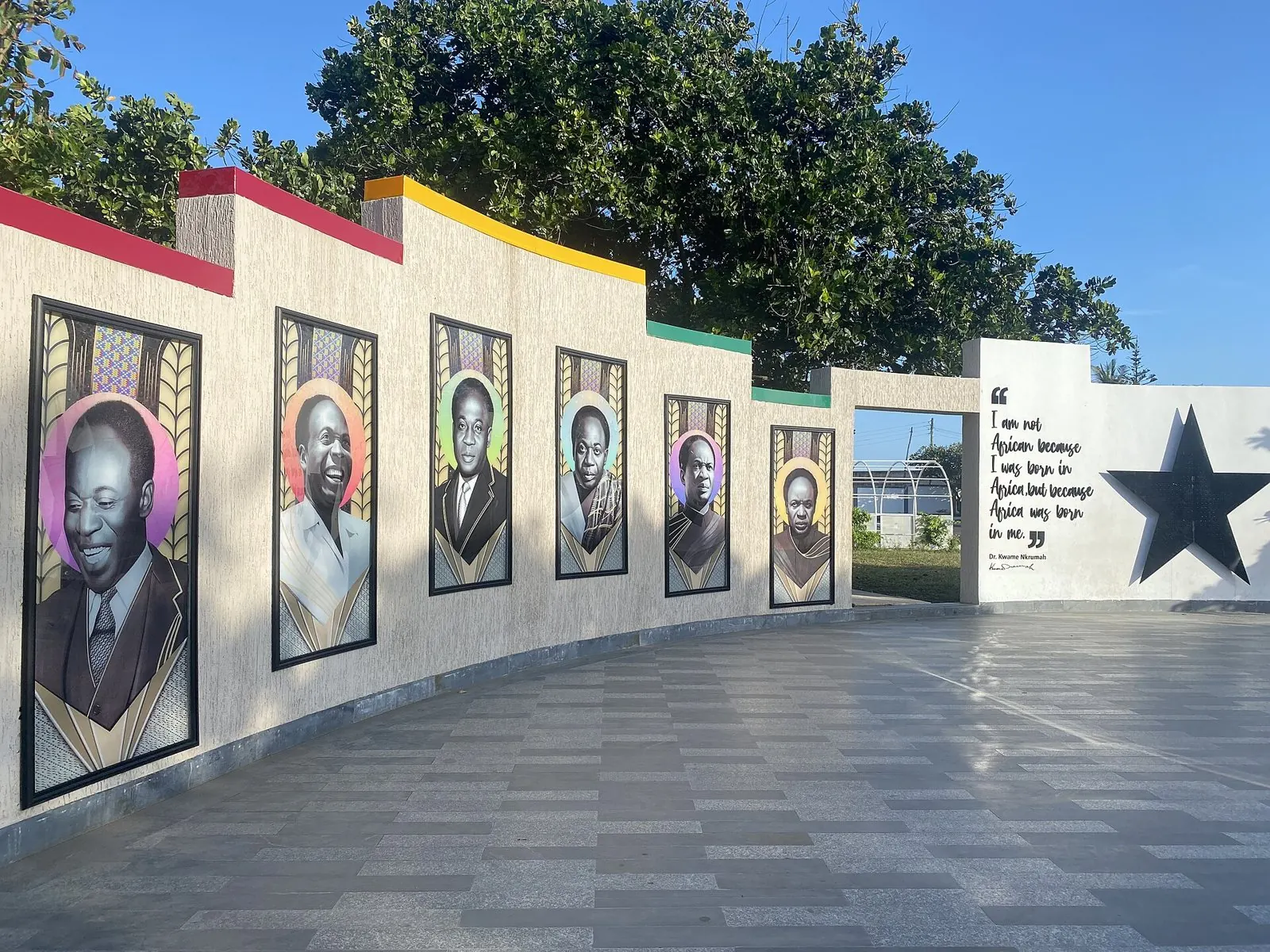
The mausoleum of Ghana's first president, on the spot where he declared independence in 1957.
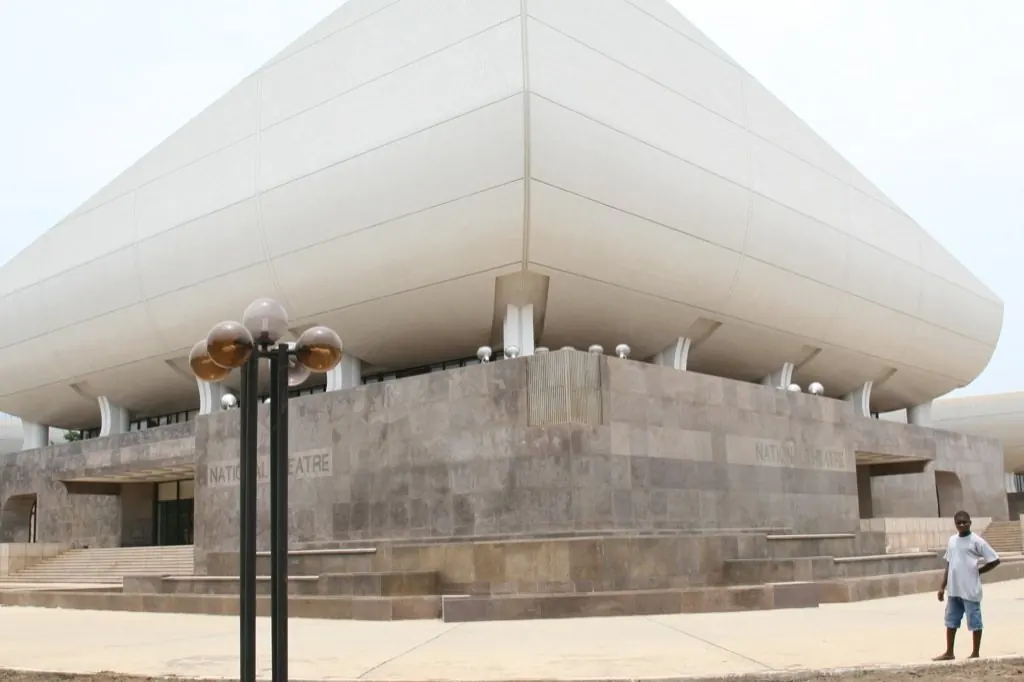
A white theatre of 1992 built by Chinese engineers, shaped like sails or a ship. Home to the national dance company and symphony orchestra.
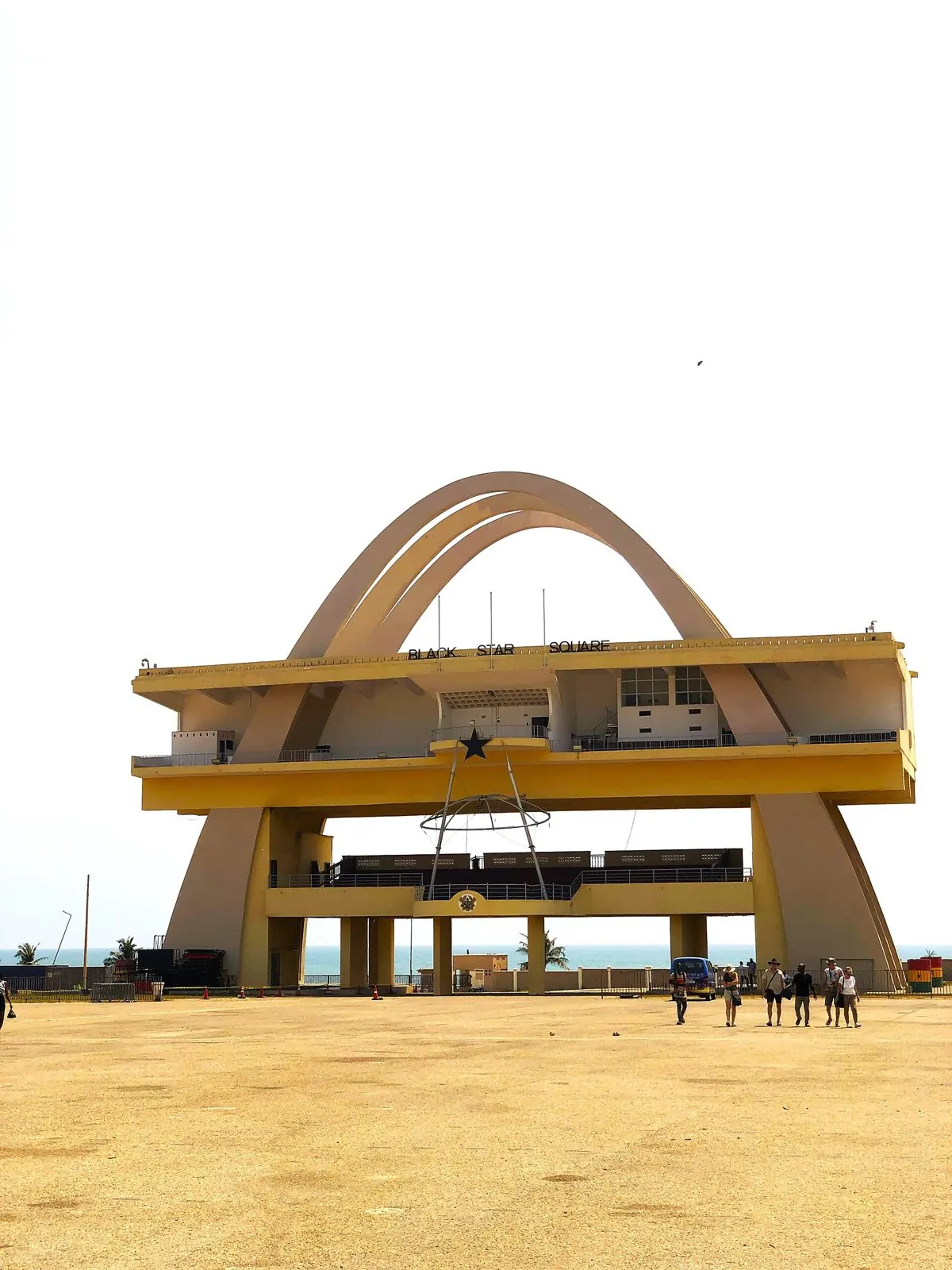
The parade ground built for independence in 1961, one of the largest squares in the world, with the Black Star Gate and the Independence Arch.
Ibrahim Mahama's Savannah Centre for Contemporary Art and Red Clay studios, a short flight north.
Cape Coast Castle, about three hours west.
Nkrumah Memorial Park → Jamestown and the lighthouse → lunch → Artists Alliance Gallery → Teshie workshops.